





The Moon's South Pole has become the solar system's most coveted real estate. With nations like India making historic landings, the race is on. But what makes this dark, cold region so critical for the future of space exploration?
The Allure of Frozen Water
The main reason for the
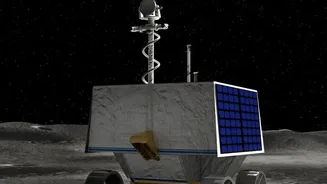
intense interest in the lunar South Pole is the confirmed presence of water ice. Unlike the Moon's equatorial regions, which were found to be bone-dry by Apollo astronauts, the South Pole contains craters that are permanently shadowed. These areas have not seen sunlight for billions of years, allowing them to act as cosmic cold traps where temperatures plummet to as low as -248°C. In these frigid conditions, water delivered by comets and asteroids over eons has remained frozen in the regolith (lunar soil). This isn't just about finding water; it's about unlocking a resource that fundamentally changes the economics of space travel. This ice can be harvested and used for drinking water, but more importantly, it can be split into hydrogen and oxygen—the two primary components of rocket fuel. The ability to 'live off the land' and refuel on the Moon could make it a crucial staging post for more ambitious missions, including those to Mars.
A Time Capsule for Science
Beyond its practical uses, the water ice at the South Pole is a scientific treasure trove. Because it has been preserved in a deep freeze for potentially billions of years, this ancient ice offers a pristine record of the early solar system. By studying its composition, scientists hope to learn more about the origin of water on Earth, the history of comets and asteroids, and the processes that shaped our cosmic neighbourhood. The region is also located near the South Pole-Aitken basin, the largest and oldest impact crater in the entire solar system. Samples from this area could provide unprecedented insights into the Moon's formation and the violent history of planetary development. Essentially, these permanently shadowed craters are time capsules waiting to be opened, holding clues that have long been erased on our own geologically active planet.
A New Geopolitical 'Gold Rush'
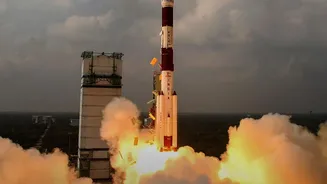
The immense strategic value of the South Pole has ignited a new space race. In August 2023, India made history when its Chandrayaan-3 mission successfully performed a soft landing in the region, becoming the first nation to do so. This achievement catapulted India to the forefront of lunar exploration, joining a select group of countries with lunar landing capabilities. Meanwhile, the United States is aggressively pursuing its Artemis program, which aims to land astronauts near the South Pole and eventually establish a permanent lunar base. China also has ambitious plans for the region, with its Chang'e missions and proposals for an International Lunar Research Station. Even nations like Turkey are developing technology for Chinese lunar missions. This convergence of national ambitions makes the South Pole not just a scientific frontier, but a geopolitical one, where establishing a presence is seen as critical for future influence in space.
The Extreme Challenges Involved
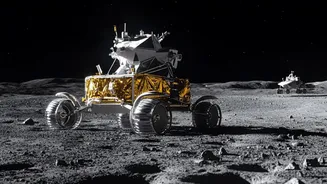
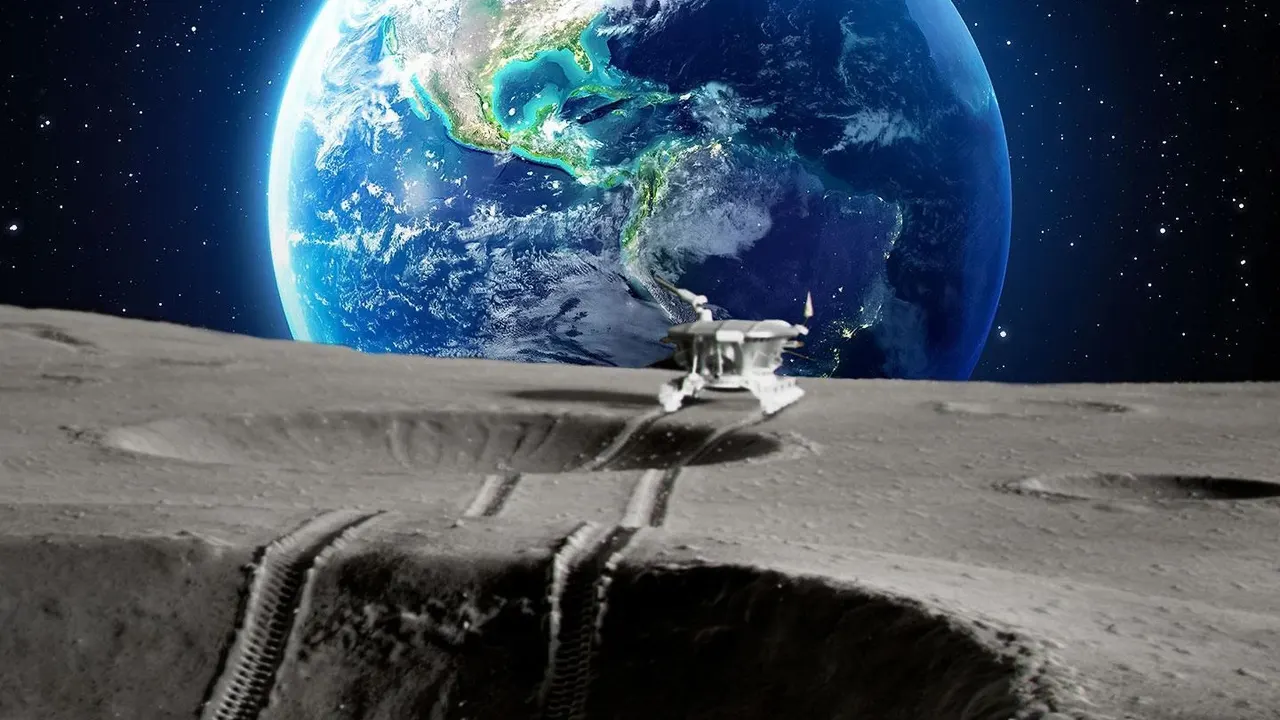
Landing and operating at the lunar South Pole is exceptionally difficult. Unlike the relatively flat equatorial plains visited by the Apollo missions, the polar terrain is rugged, full of deep craters, and steep mountains. The lighting conditions are also extreme. The Sun hangs permanently low on the horizon, creating long, dark shadows that can hide hazards and make navigation treacherous. This low sun angle also creates communication blackouts and wild temperature swings. While some crater rims receive near-constant sunlight, ideal for solar power, the shadowed areas nearby remain among the coldest places in the solar system. Spacecraft must be designed to withstand these temperature differences and land with pinpoint accuracy to avoid dangerous terrain and ensure access to both sunlight for power and shadows for ice exploration. These challenges underscore the magnitude of achievements like Chandrayaan-3's successful landing.