

The End of a Culinary Duopoly
For years, the Indian restaurant landscape was largely dominated by two reliable choices: rich, creamy North Indian fare like butter chicken and dal makhani, and a generic version of 'Continental' food, typically featuring pastas and grilled dishes. This
formula was a safe bet, catering to a wide audience with familiar and comforting flavours. However, this once-unshakeable dominance is now being challenged. Today's diners, armed with curiosity and a more adventurous palate, are increasingly seeking experiences that go beyond these tried-and-tested menus. The shift is not about abandoning old favourites, but about adding new and exciting chapters to India's collective food story.
A Taste for Authenticity and Adventure
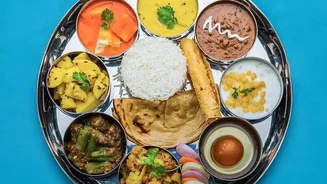
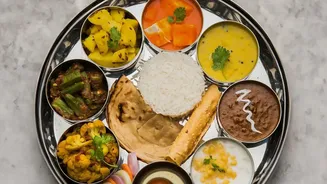
Several factors are driving this change. Increased domestic and international travel has exposed Indians to a wider variety of authentic flavours. Social media also plays a huge role; platforms like Instagram have made once-unfamiliar dishes from around the world seem accessible and desirable. A diner might see a video of a steaming bowl of Vietnamese pho or a colourful Bihari thali and feel inspired to try it. This digital exposure, combined with a growing desire for authentic experiences, has created a demand for more diverse dining options. Consumers are no longer just seeking a meal, but a story and a cultural connection on their plate.
The Rediscovery of Regional India
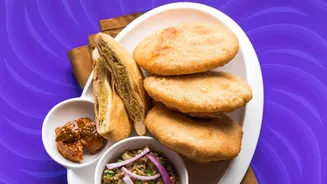
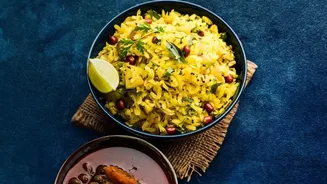
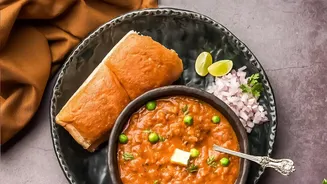
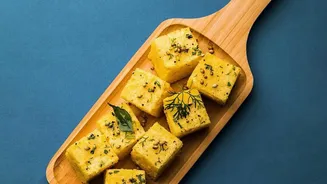
Perhaps the most exciting trend is the rediscovery of India's own vast culinary diversity. Chefs and restaurateurs are championing hyper-regional cuisines that were previously confined to home kitchens. Restaurants specializing in the distinct flavours of Bihar, such as litti chokha, are gaining a cult following in big cities. Similarly, the smoky and spicy dishes of Nagaland, the delicate preparations of Bengal, the coconut-infused gravies of Kerala, and the coastal specialities of Goa are finding their moment in the spotlight. This movement celebrates lesser-known ingredients and traditional cooking methods, offering diners a delicious education in India's rich food heritage.
Exploring a Truly Global Palate
The curiosity doesn't stop at India's borders. While Indian-Chinese and generic Italian have long been staples, the demand has shifted towards more authentic and varied international cuisines. Japanese food beyond just sushi, like ramen and teppanyaki, is becoming increasingly popular. The complex and aromatic flavours of Vietnamese and Korean cuisines have also found a loyal audience. Lebanese restaurants serving authentic hummus and falafel, and eateries offering the fresh, zesty dishes of Mexico, are also thriving. This reflects a broader trend of diners wanting to experience global cultures through their food, seeking genuine flavours over adapted versions.
Chefs and Restaurants Leading the Charge
This culinary expansion is being led by a new wave of innovative chefs and restaurateurs. Many are moving away from the multi-cuisine format that tries to please everyone, instead focusing on perfecting a specific type of food. They are creating ingredient-driven menus, sourcing local produce, and reviving forgotten recipes. Some chefs are even reinterpreting traditional dishes with modern techniques, presenting them in a fine-dining context that challenges old perceptions of what Indian food can be. These culinary pioneers are not just feeding their customers; they are reshaping India's entire food culture, one unique dish at a time.