


As the air turns crisp and nights grow longer, you don't need a screen for dazzling entertainment. This October, the cosmos is putting on a spectacular show, offering several reasons to step outside, look up, and marvel at the universe.
Saturn Shines Brightest
October kicks off
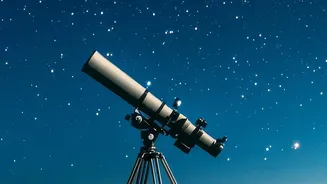
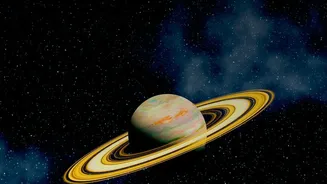
with a planetary treat. On October 4, Saturn will be at opposition, a celestial event where Earth passes directly between the Sun and the ringed planet. This alignment means Saturn will be at its closest and brightest for the entire year. It will rise around sunset and remain visible all night long, making it a prime target for anyone with a pair of binoculars or a small telescope. Even to the naked eye, it will appear as a brilliant, steady point of light. If you do have access to a telescope, now is the ideal time to try and glimpse its iconic rings.
The Draconid Meteor Shower
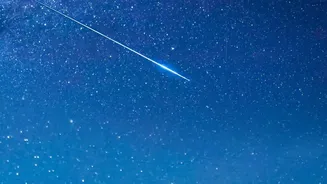
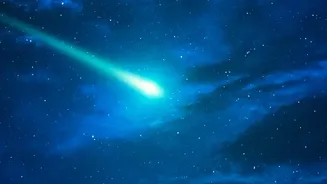
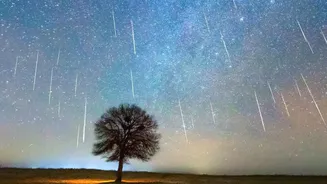
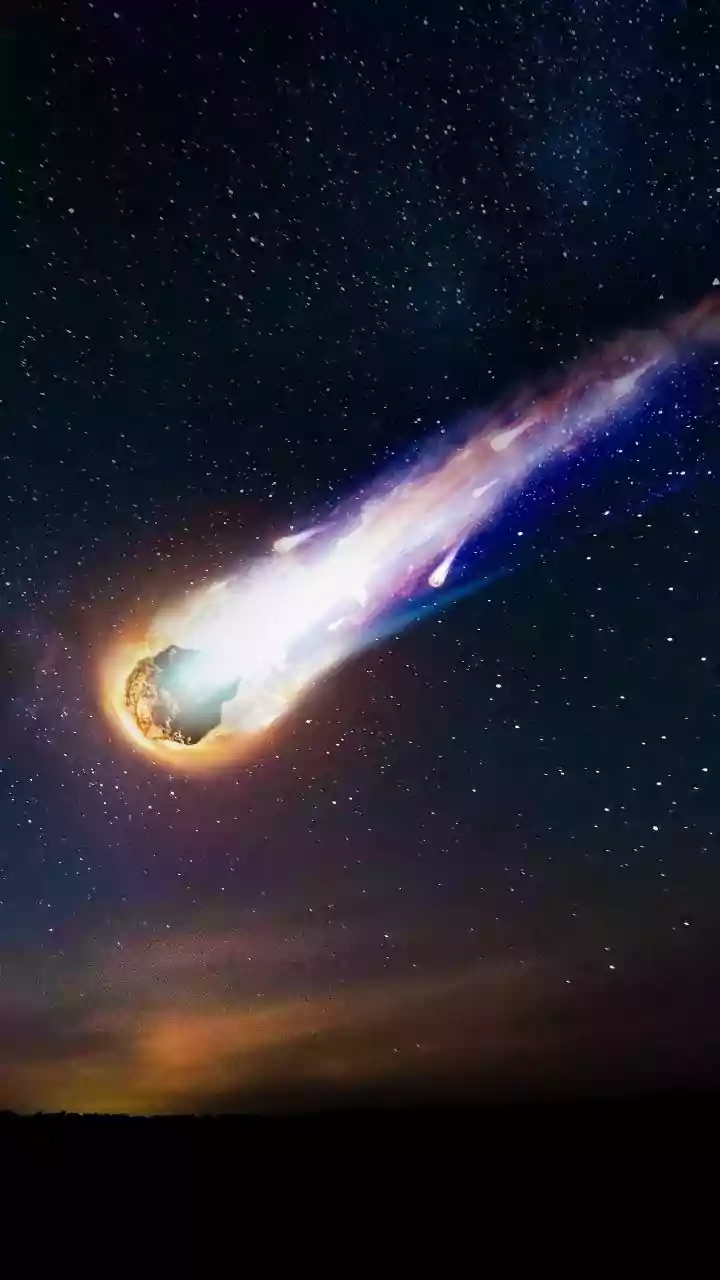
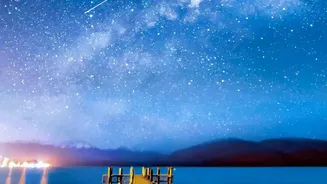
Get ready for the first of two meteor showers this month. The Draconid meteor shower is set to peak on the night of October 8-9. What makes this shower unique is its viewing time; unlike most, the Draconids are best seen in the early evening, just after nightfall, rather than in the pre-dawn hours. This year’s viewing conditions are excellent, as the peak coincides with a nearly new moon, meaning darker skies and better visibility for the shooting stars. While typically a modest shower with about 5 to 10 meteors per hour, the Draconids are known for occasional outbursts of hundreds of meteors, so it’s always worth a look. The meteors originate from dust left by the comet 21P/Giacobini-Zinner.
The Orionid Meteor Shower
Arguably the month's main event for meteor lovers, the Orionid meteor shower peaks on the night of October 21-22. Produced by debris from the famous Halley's Comet, the Orionids are known for being bright and fast, with the potential for up to 20 meteors per hour under perfect conditions. These meteors will appear to radiate from the constellation Orion but can be seen streaking across the entire sky. This year, a bright waxing gibbous moon will be present during the peak, which may wash out some of the fainter meteors. For the best chance of a good show, plan to watch in the hours just before dawn, after the moon has set.
The Hunter's Moon Rises
October concludes with a stunning full moon. The Hunter's Moon will reach its peak illumination on October 26. This full moon is named for the time of year when hunters traditionally prepared for the coming winter. While the moon is technically fullest just after midnight, the most breathtaking sight is often the moonrise on the evenings of October 25 and 26. As it climbs above the eastern horizon around sunset, it can appear larger than usual and cast a beautiful orange or reddish hue, a phenomenon known as the Moon Illusion.
A Dance of the Planets
Beyond the major events, several other planetary movements will capture the attention of dedicated sky-watchers. Early in the month, a waning crescent moon will pass by Mars on October 5 in the pre-dawn sky. On October 6, the moon will occult Jupiter, meaning it will pass in front of the giant planet, an event visible with a telescope in some parts of the world. Throughout the month, Jupiter and Mars will be visible in the early morning sky, while Venus makes a brief appearance low in the west after sunset in early October.