




What Makes a Destination 'Low-Risk'?
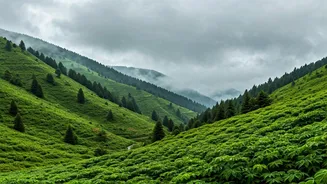
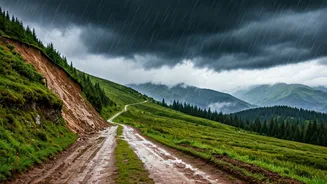
Before we dive into the destinations, let's define what "low-risk" means for monsoon travel. It isn't about avoiding rain altogether, but about choosing places less prone to the severe consequences of heavy downpours. These areas typically have one or more
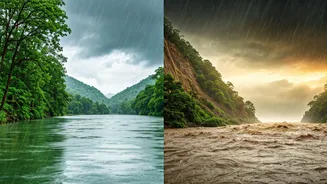
of the following characteristics: moderate rainfall instead of torrential downpours, excellent infrastructure that isn't easily disrupted, and geographical locations that are not susceptible to landslides or major flooding. [13] Many Himalayan regions, while beautiful, face risks of landslides. [19] Similarly, some coastal areas can experience extreme weather. Our list focuses on destinations that offer all the beauty of the monsoon with a much greater degree of safety and predictability. [30]
Spiti Valley, Himachal Pradesh: The Cold Desert
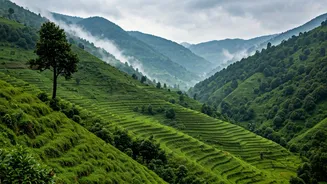
If you want to dodge the rain entirely, Spiti Valley is your answer. Located in a rain-shadow region of the Himalayas, it receives very little rainfall, making it a perfect—and safe—monsoon escape. [6, 24] While the rest of India is drenched, Spiti offers clear skies, pleasant daytime temperatures, and dramatic, barren landscapes that are uniquely beautiful. [23] The roads leading to Spiti, particularly from the Manali side, can be challenging, so it is often recommended to take the longer but more stable route via Shimla and Kinnaur. [17, 18] It's a destination for the adventurous, rewarding travellers with serene monasteries, stark mountains, and a profound sense of peace with fewer tourists. [24]
Udaipur, Rajasthan: The City of Lakes Reborn
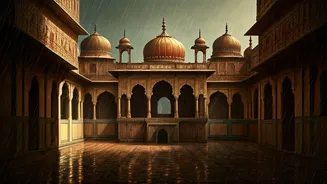
Rajasthan in the monsoon? Absolutely. The desert state doesn't get the intense rainfall of other regions, making it a delightful and safe choice. [14] Udaipur, the 'City of Lakes', is particularly magical during this season. [7, 8] The scorching summer heat gives way to pleasant temperatures around 25-30°C. [8, 13] The lakes fill to the brim, the surrounding Aravalli hills turn a surprising, vibrant green, and the city's magnificent palaces and forts look freshly washed and romantic. [8, 11] With fewer tourists, you can enjoy boat rides on a misty Lake Pichola and explore the city's charms at a leisurely pace. [11, 12] The city’s infrastructure is robust, with no significant risk of flooding. [13]
Orchha, Madhya Pradesh: A Hidden Historical Gem
For those who want to embrace the rain without the risks, the historic town of Orchha in Madhya Pradesh is an excellent choice. [16] Situated on the banks of the Betwa River, Orchha's magnificent palaces, temples, and cenotaphs (chhatris) take on a dramatic and picturesque quality against the backdrop of grey monsoon skies. The otherwise dry and dusty landscape transforms into a carpet of green. [16] The area receives moderate rainfall, enough to make it beautiful without the danger of widespread flooding that plagues other regions. It's a perfect destination for history buffs and photographers looking to capture a different side of India's heritage. [25]
The Deccan Plateau: Hampi and Badami
The Deccan Plateau, on the eastern side of the Western Ghats, is another region that receives less rainfall, making its historical sites ideal for monsoon exploration. [14] Hampi in Karnataka, a UNESCO World Heritage site, is a fantastic example. The rains bring the heat down, wash the iconic boulder-strewn landscape clean, and turn the surrounding area green. The Tungabhadra river swells, adding to the dramatic scenery. Similarly, the ancient cave temples of Badami, Aihole, and Pattadakal are captivating during this time, with fewer crowds and pleasant weather allowing for comfortable exploration of their architectural wonders. [14]
Essential Tips for Monsoon Travel
No matter where you go, a few tips will ensure your monsoon trip is smooth and safe. Pack lightweight, quick-drying clothes and avoid heavy fabrics like denim. [20] A reliable waterproof jacket and proper footwear with good grip are non-negotiable. [5, 20] Always carry waterproof bags or zip-locks for your electronics and important documents. [10] Keep your travel plans flexible and have buffer days, as unexpected delays can happen. [5] Finally, always check local weather forecasts and road conditions before and during your trip. [19]