






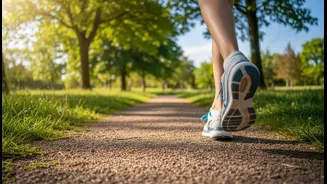


The Science of a Post-Meal Stroll
The most significant benefit of walking after a meal lies in its ability to help manage blood sugar levels. When you eat, especially a meal rich in carbohydrates, your body breaks it down into glucose, which enters your bloodstream. This causes a natural
rise in blood sugar. Engaging in light physical activity, like walking, prompts your muscles to draw this glucose from the bloodstream for energy. This simple action helps prevent a sharp spike in blood sugar and leads to a more gradual rise and fall. Studies have shown that even a walk as short as two to five minutes can make a difference, with the ideal time to start being within 30 to 60 minutes of finishing your meal, when blood sugar levels tend to peak.
More Than Just Blood Sugar
Beyond glycemic control, a post-meal walk offers a range of other advantages. It can significantly aid digestion by stimulating the stomach and intestines, helping food move through your system more quickly. This can reduce uncomfortable symptoms like bloating, gas, and indigestion. Some research even indicates that regular post-meal walks can improve symptoms for those with gastrointestinal issues. Furthermore, this gentle activity supports heart health. Regular, short walks can contribute to lower blood pressure and reduced levels of 'bad' LDL cholesterol over time, aligning with recommendations for maintaining cardiovascular wellness. It can also boost your mood by encouraging the release of positive hormones like endorphins.
Perfecting Your Post-Meal Pace
To reap the rewards, you don't need to embark on a strenuous power walk. The key is light to moderate intensity. Think of a comfortable stroll, not a race. A walk of about 10 to 15 minutes is highly effective. In fact, some studies suggest that three separate 15-minute walks after meals can be more effective for 24-hour glycemic control than one single 45-minute walk. It's best to start walking shortly after you finish eating, ideally within 10 to 30 minutes. If you experience any discomfort, waiting a little longer is perfectly fine. The goal is to make it a sustainable and pleasant habit, not a chore that causes digestive distress.
A Supplement, Not a Substitute
This is the critical takeaway: while a post-meal walk is a fantastic health hack, it is not a replacement for regular, structured exercise. The American Heart Association recommends at least 150 minutes of moderate-intensity aerobic exercise per week. Activities like brisk walking, running, cycling, or strength training provide benefits that a gentle stroll cannot. These more vigorous workouts are essential for building cardiovascular endurance, strengthening bones, increasing muscle mass, and burning a significant number of calories. Think of your post-meal walk as a targeted tool for managing immediate post-meal effects, particularly blood sugar. Your regular exercise routine is for building overall fitness, strength, and long-term health resilience. The two work together as a powerful combination.
Making It a Daily Habit
Integrating this practice into your life is simpler than you might think. If you work in an office, use part of your lunch break for a quick walk around the block. At home, a stroll around your neighbourhood after dinner can be a relaxing way to wind down. You can even walk around your living room if the weather is bad or you're short on time. The key is consistency. By linking the walk to a meal, you create a powerful cue that helps establish the routine. Instead of seeing it as another task, frame it as a moment to de-stress, get some fresh air, and do something beneficial for your body that requires minimal effort for maximum gain.