


First, What Are Ultra-Processed Foods?
The term 'ultra-processed' can be confusing. It refers to industrial food formulations that are made mostly from substances extracted from foods, along with additives like artificial colours, flavours, and stabilisers. Think of it this way: if the ingredient
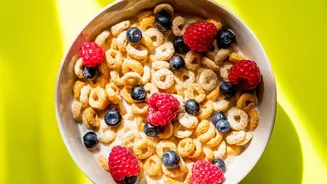
list reads like a chemistry textbook, it’s likely a UPF. These are distinct from 'processed' foods, which are altered but still recognisable, like canned vegetables or freshly baked bread. UPFs undergo multiple industrial processes such as extrusion and moulding. In India, common examples are everywhere: instant noodles, packaged namkeen, biscuits, sugary soft drinks, frozen ready-to-fry snacks, and even many packaged juices and breakfast cereals. Even traditional Indian recipes sold in ready-to-eat packets can qualify as ultra-processed.
What the Latest Research Reveals
Recent studies have added weight to the concerns. A massive 2024 umbrella review published in The BMJ, which analysed data from nearly 10 million people, found consistent evidence linking high UPF consumption to 32 damaging health outcomes. The review showed convincing evidence for a roughly 50% increased risk of death from cardiovascular disease and a 48-53% higher risk of anxiety and common mental disorders. It also found a highly suggestive link to a 21% greater risk of death from any cause, a 40-66% increased risk of heart-disease-related death, obesity, and sleep problems, and a 22% higher risk of depression. Another recent study from August 2026 highlighted that a staggering 81% of foods marketed for toddlers were found to be ultra-processed, often failing to meet WHO nutritional standards and potentially setting up lifelong unhealthy eating habits.
It's More Than Just Salt and Sugar
While UPFs are often high in unhealthy fats, sugar, and salt, new research suggests the problem runs deeper. A study from June 2026 indicated that the industrial processing itself, independent of the poor nutrient profile, could be harmful. These processes can strip food of its natural fibre and micronutrients while fundamentally altering its cellular structure. Furthermore, the cocktail of additives—emulsifiers, thickeners, artificial sweeteners, and flavour enhancers—may negatively affect our gut microbiome, which is crucial for everything from digestion to mental health. This 'gut-brain axis' is a key area of research, with studies linking high UPF intake to increased risks of anxiety and depression.
The Convenience Conundrum in India
If UPFs are so problematic, why are they so popular? The answer lies in their convenience, affordability, long shelf life, and hyper-palatable nature, which means they are engineered to make you crave more. In India, consumption has grown rapidly, driven by urbanisation, longer working hours, and aggressive advertising. The market for these foods is expanding by over 13% annually in the country. They offer a quick fix for busy families and have become deeply integrated into modern lifestyles, from a morning biscuit with chai to a quick-fix instant noodle dinner. This makes avoiding them a significant challenge, requiring conscious effort.
Making Healthier Choices
Completely eliminating UPFs is unrealistic for most people. Instead, the goal should be reduction and mindful consumption. Start by reading ingredient labels. If the list is long and full of unfamiliar chemical names, consider it a red flag. Prioritise whole or minimally processed foods like fresh fruits, vegetables, dals, and whole grains. Swapping a packaged sugary juice for a whole fruit, or a packet of chips for a handful of nuts, can make a big difference over time. Cooking at home more often gives you direct control over ingredients like salt, sugar, and oil. It's not about achieving a 'perfect' diet, but about making small, sustainable shifts towards fresher, less processed options for better long-term health.