







The Rise of the ‘Cool-Cation’
For decades, the peak travel fantasy was built on a simple promise: endless sun. We chased heat, booking flights to destinations that guaranteed scorching days and balmy nights. But a new travel trend is quietly taking hold, one that redefines what a desirable
holiday looks like. Enter the ‘cool-cation,’ a trip planned not around maximising sun exposure, but around escaping it. Instead of the crowded, sweltering beaches of the Mediterranean in July, discerning travellers are now looking towards the misty hills of Ireland, the temperate fjords of Norway, and the breezy coastlines of Northern Europe. A recent report from the European Travel Commission noted a significant drop in interest for Mediterranean destinations during the peak summer months, coupled with a surge in popularity for cooler countries like the Czech Republic, Bulgaria, Ireland, and Denmark. The ultimate luxury is no longer a guaranteed tan; it's a guaranteed comfortable temperature.
A Direct Response to a Warming World
This isn't just a fleeting fashion; it's a practical response to a changing climate. The record-breaking heatwaves that have scorched Southern Europe, parts of Asia, and North America in recent years have served as a stark warning. Holidays meant for relaxation were turning into endurance tests. Tourists were fainting at ancient ruins, wildfires were threatening resorts, and daytime activities were becoming impossible, if not dangerous. People are realising that a week spent hiding in an air-conditioned hotel room is not a vacation. Health concerns, especially for families with young children or elderly members, are also a major driver. The appeal of a destination where you can comfortably walk, hike, and dine al fresco without risking heatstroke is becoming a powerful motivator, shifting booking patterns away from the traditional summer hotspots.
What the New Luxury Looks Like
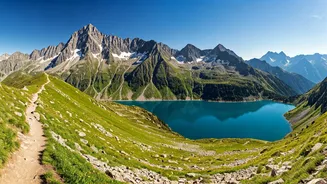
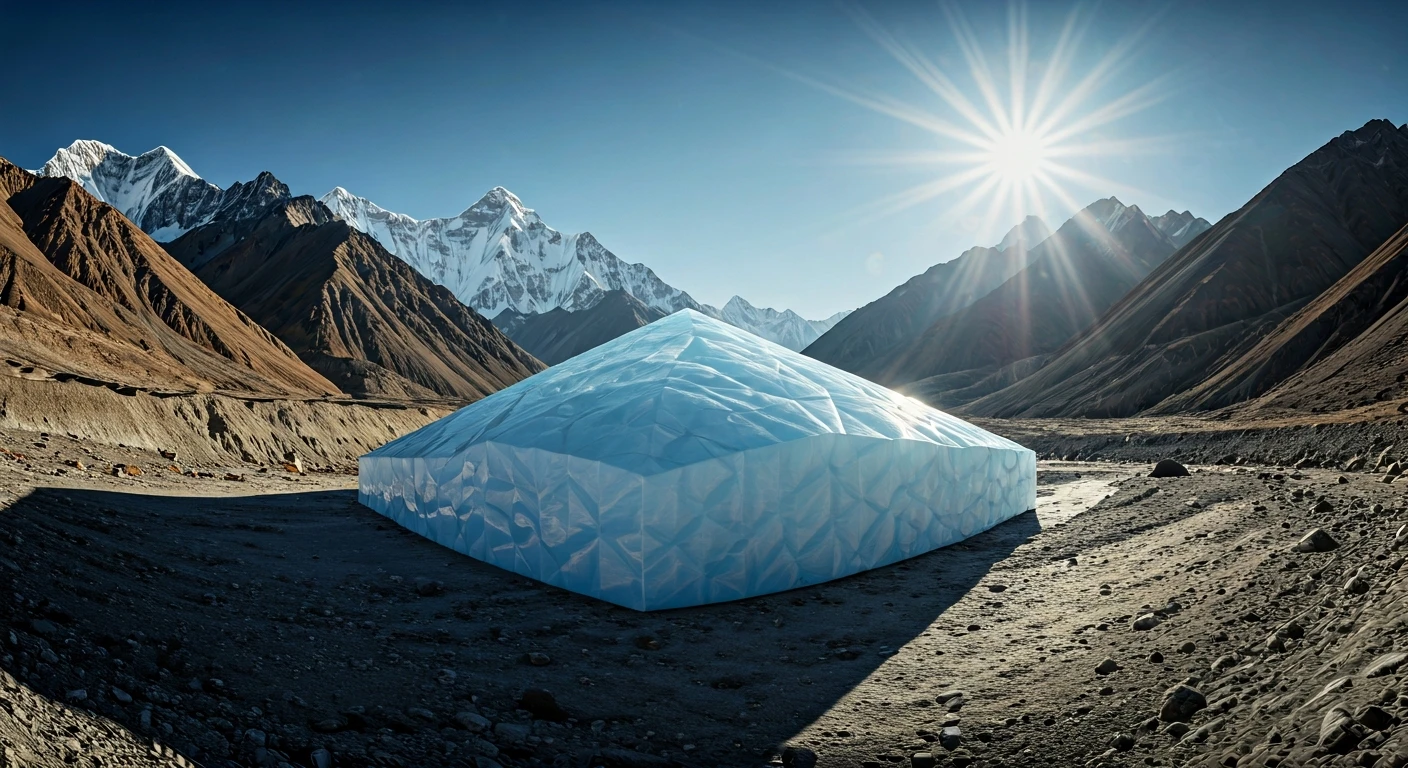
So, where are people going? The focus is on destinations that offer natural air conditioning. The Swiss Alps, once primarily a winter ski destination, are now marketing themselves as a premier summer escape for hiking and mountain biking in pleasant, 20-25°C weather. Scandinavia is booming, with travellers eager to explore cities like Copenhagen and Stockholm or venture into the stunning, temperate wilderness. Within India, travellers are increasingly looking beyond the usual hotspots to the cooler climes of the Himalayas in states like Himachal Pradesh and Uttarakhand, even during the monsoon, for a respite from the punishing heat of the plains. It’s also about rediscovering the beauty of milder seasons. The concept of the ‘shoulder season’—the periods of spring (April-May) and autumn (September-October)—is becoming the new peak season for many. You can still enjoy Italy, Greece, or Spain, but with manageable temperatures, fewer crowds, and often, lower prices.
An Industry in Adaptation
The travel industry is taking notice. Tour operators are creating new itineraries focused on ‘climate-proof’ destinations. Airlines and hotels, which have long structured their pricing around the July-August peak, are seeing a shift in demand that could reshape the entire travel calendar. Destinations in traditionally cooler regions are seizing the opportunity, promoting their mild summer weather as a key selling point. This shift isn't just about avoiding discomfort; it's about a deeper change in travel values. The focus is moving from passive sunbathing to active well-being and genuine exploration. A holiday is increasingly seen as a chance to feel good, breathe fresh air, and connect with nature—all things that are difficult to do when the pavement is melting. The new status symbol isn't how brown you can get, but how comfortable and rejuvenated you feel upon your return.