




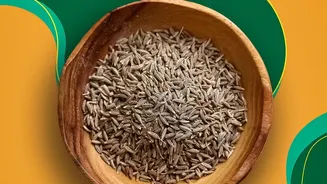
For decades, the Indian soft drink market was a two-horse race. But a distinctly 'desi' flavour is now fizzing up, as cumin-flavoured sodas challenge the long-standing dominance of global cola giants.
The Rise of a Desi Flavour
A stroll down the beverage aisle in India reveals a subtle
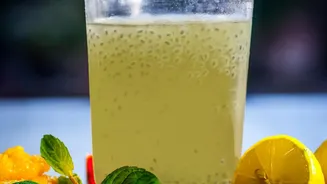
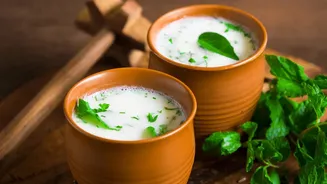
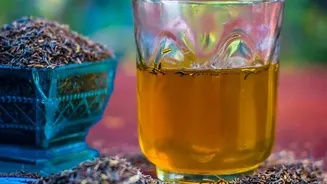
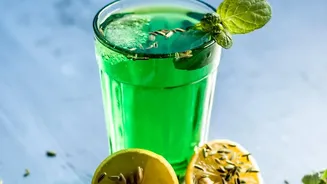
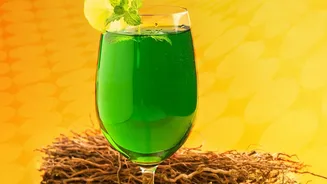
but significant shift. Alongside the familiar red and blue of cola cans, a new category of earthy, spiced drinks is claiming prime shelf space. Cumin-flavoured sodas, popularly known as jeera sodas, are at the forefront of this disruption. Brands like Lahori Zeera, Jeeru, and Campa Jeera are becoming household names, tapping into a nostalgic flavour profile that resonates deeply with the Indian palate. What started as a regional phenomenon, with brands like Lahori Zeera launching in Punjab in 2017, has expanded into a nationwide trend. These brands are not just selling a drink; they are bottling a familiar, traditional taste that has been a part of Indian households for generations in the form of jaljeera and shikanji.
A 'Jio Moment' for Beverages
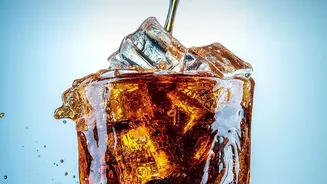
The impact of these local players has been so significant that a recent report described it as a 'Jio moment' for the beverage industry. This comparison refers to the way Reliance Jio's entry disrupted the telecom market. In a similar fashion, local ethnic beverage brands have collectively chipped away at the market dominance of Coca-Cola and PepsiCo. According to market reports, the combined market share of the two giants fell from approximately 93% to 85% by September of last year, while the share of ethnic beverage challengers doubled to around 15%. This shift is largely driven by smart pricing—often at the crucial ₹10 price point—and deep penetration into Tier II and Tier III cities and rural markets, areas where legacy brands sometimes had weaker distribution.
More Than Just Taste: A Health-Conscious Shift
The move towards jeera soda and other ethnic drinks isn't just about flavour and price. It's closely tied to a broader, growing health consciousness among Indian consumers. As people increasingly read labels and seek out alternatives to sugary sodas, beverages with 'natural' and 'real' ingredients are gaining traction. Jeera, a staple in Indian kitchens, is associated with digestive benefits, giving these drinks an implicit wellness halo that colas lack. Many consumers perceive these traditional recipes as inherently healthier. This trend has led to innovations like zero-sugar versions of cumin sodas, directly targeting health-aware buyers and tapping into the rapidly growing functional beverage market in India.
How the Giants are Responding
The established global players have not been idle observers. They have recognized the threat and opportunity presented by this trend. Coca-Cola, which acquired the cumin-flavoured brand Rimzim in the 1990s, has reportedly doubled its production to strengthen its presence in the category. Both Coca-Cola and PepsiCo have also been exploring their own versions of ethnic drinks and healthier alternatives, such as lower-sugar options and fruit-based beverages, to arrest the slide in market share. The competition is heating up, with companies like Parle Agro scaling up its 'Dhishoom' jeera drink and Reliance's Campa re-entering the market with its own jeera variant. This signals a strategic pivot, acknowledging that the future of the Indian beverage market will be as much about local tastes as it is about global brands.