



The idea of slathering your face with chocolate sounds like the ultimate self-care dream. But beyond the decadent scent, can a chocolate face mask actually deliver that promised glow? Let's unwrap the truth about this delicious-sounding trend.
The Sweet Allure of Chocolate Skincare
Chocolate
in skincare isn't just a gimmick; it's a trend rooted in the appealing properties of its core ingredient, cocoa. The sensory experience is undeniable—the rich smell alone can be a mood-booster. Brands and spas market these treatments as luxurious, nourishing, and a path to radiant skin. The appeal lies in transforming a beloved treat into a beauty ritual. This has led to a boom in everything from chocolate-scented scrubs to professional cocoa facials. The central claim often revolves around cocoa's high antioxidant content, suggesting it can rejuvenate the skin and impart a healthy glow. But while the marketing is enticing, the real benefits are more nuanced than a simple 'instant glow' promise.
What Cocoa Actually Offers Your Skin
The hero of any legitimate chocolate mask is pure cocoa powder. Unsweetened cocoa is a powerhouse of antioxidants, particularly flavonoids. These compounds are excellent at fighting free radicals—unstable molecules from pollution and UV exposure that can lead to premature aging, fine lines, and cell damage. By neutralizing these aggressors, the antioxidants in cocoa help protect the skin. Furthermore, cocoa is packed with minerals like magnesium, copper, iron, and zinc, which can aid in skin health and cell renewal. Some studies also suggest that the topical application of cocoa can improve blood circulation, which helps deliver oxygen and nutrients to the skin's surface, contributing to a healthier appearance over time.
Debunking the 'Guaranteed Glow' Myth
Here's where we need to manage expectations. While cocoa has clear benefits, a single chocolate mask is unlikely to give you a miraculous, long-lasting glow. That immediate radiance people sometimes experience is often due to other factors. Firstly, the simple act of massaging a mask onto your face stimulates blood flow, which can create a temporary flush and brightness. Secondly, many DIY and commercial masks mix cocoa with other powerhouse ingredients. Yoghurt contains lactic acid, a gentle exfoliant that removes dead skin cells. Honey is a natural humectant that attracts moisture, making skin feel soft and plump. Clay, like Multani Mitti, can absorb excess oil. These ingredients do much of the heavy lifting for that 'glow', while cocoa provides antioxidant protection. So, the glow isn't guaranteed, and it's certainly not permanent.
DIY Masks: Getting It Right
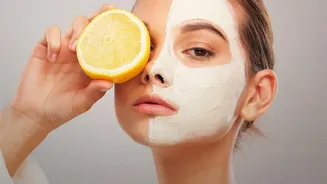
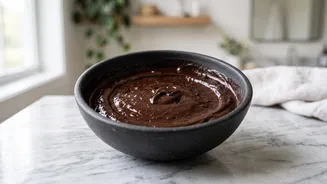
Creating a chocolate mask at home can be a fun and affordable way to treat your skin, but it's crucial to do it safely. Always use 100% pure, unsweetened cocoa or cacao powder—not sugary hot chocolate mix, which can be sticky and bad for your skin. A simple, effective recipe involves mixing one or two tablespoons of cocoa powder with plain yoghurt or milk and a teaspoon of honey to form a paste. Apply it to a clean face, let it sit for 15-20 minutes, and rinse with lukewarm water. The most critical step is to patch-test any new mixture on a small area of your skin, like behind your ear or on your inner arm, to ensure you don't have an allergic reaction or irritation. Avoid adding harsh kitchen ingredients like lemon juice or baking soda, which can disrupt your skin's pH barrier and cause irritation or even chemical burns.
Store-Bought vs. Homemade
If you're considering a store-bought chocolate mask, be a savvy shopper. Check the ingredient list to see where cocoa or 'Theobroma Cacao' extract appears. If it's listed near the top, it's a primary ingredient. If it's at the very bottom, its benefits are likely minimal. Look out for added sugars and unnecessary fragrances that could irritate the skin. While professional formulations may offer more stable and potent combinations of ingredients, a simple DIY mask gives you complete control over what you're putting on your face. A dermatologist has noted that homemade masks using ingredients like cocoa and yogurt can be effective and safe, as you know exactly what's in them. Ultimately, whether you choose to buy or make your own, the key is to view it as a supplementary treat, not a replacement for your core skincare routine.