
What Are Ancient Grains Anyway?
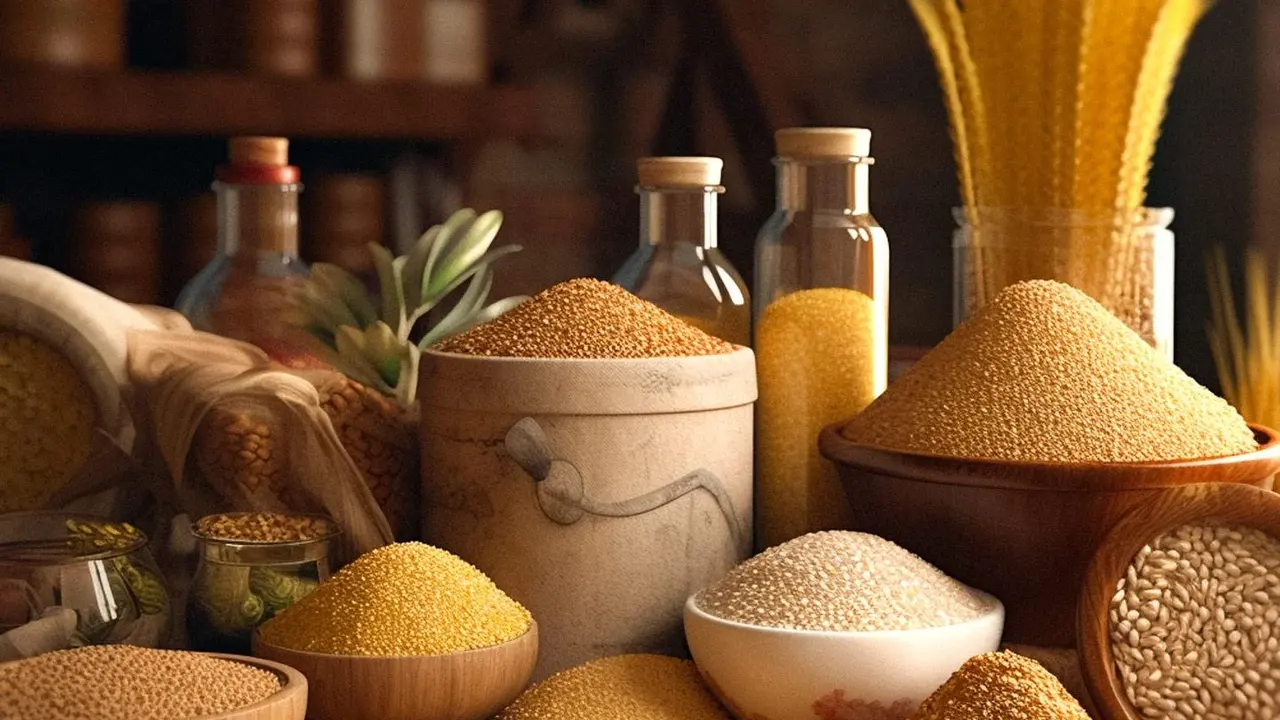
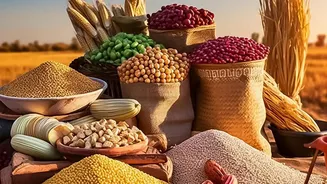
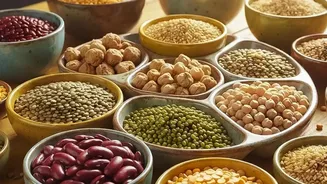
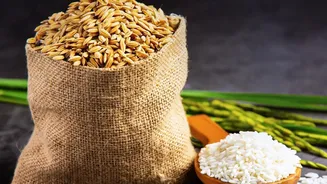
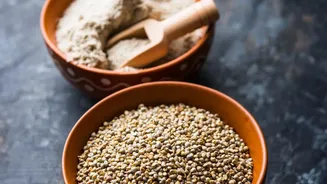
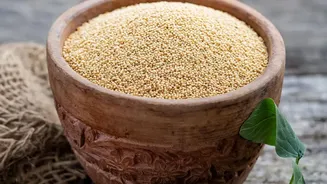
The term 'ancient grains' refers to grains that have remained largely unchanged for hundreds or even thousands of years. Unlike modern wheat, which has been bred for high yields, these grains offer a different kind of value. Think of millets (like bajra
and jowar), quinoa, amaranth (rajgira), and barley. Many of these are staples in traditional Indian cuisine, proving that what's old is new again. They tend to be less processed than modern grains and are often packed with more fibre, protein, vitamins, and minerals. This nutritional profile means they keep you feeling full and energised for longer, which is perfect for long study sessions.
The Magic of One-Pot Cooking
For students, the greatest appeal of the one-pot meal is the minimal cleanup. In a shared kitchen where sink space is prime real estate, using a single pressure cooker or pan is a game-changer. This method is not just about convenience; it’s about efficiency. All the flavours of your ingredients meld together, creating a richer, more cohesive dish with very little effort. It simplifies the cooking process, making it less intimidating for beginners and faster for those short on time. Whether you have a pressure cooker for a quick khichdi-style meal or a single deep pan, one-pot cooking is the ultimate student kitchen hack.
Grain Spotlight: Millets and Quinoa
Millets, celebrated as 'Shree Anna' in India, are nutritional powerhouses that are gluten-free and climate-resilient. Varieties like foxtail millet, finger millet (ragi), and pearl millet (bajra) are affordable and widely available. They have a comforting, slightly nutty flavour and work wonderfully in dishes similar to upma or khichdi. Quinoa, another popular choice, is a complete protein, meaning it contains all nine essential amino acids. It cooks quickly—usually in about 15 minutes—and has a light, fluffy texture that makes it a versatile base for any combination of vegetables and sauces.
How to Build Your Perfect Bowl
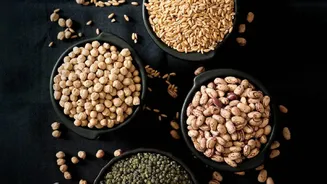
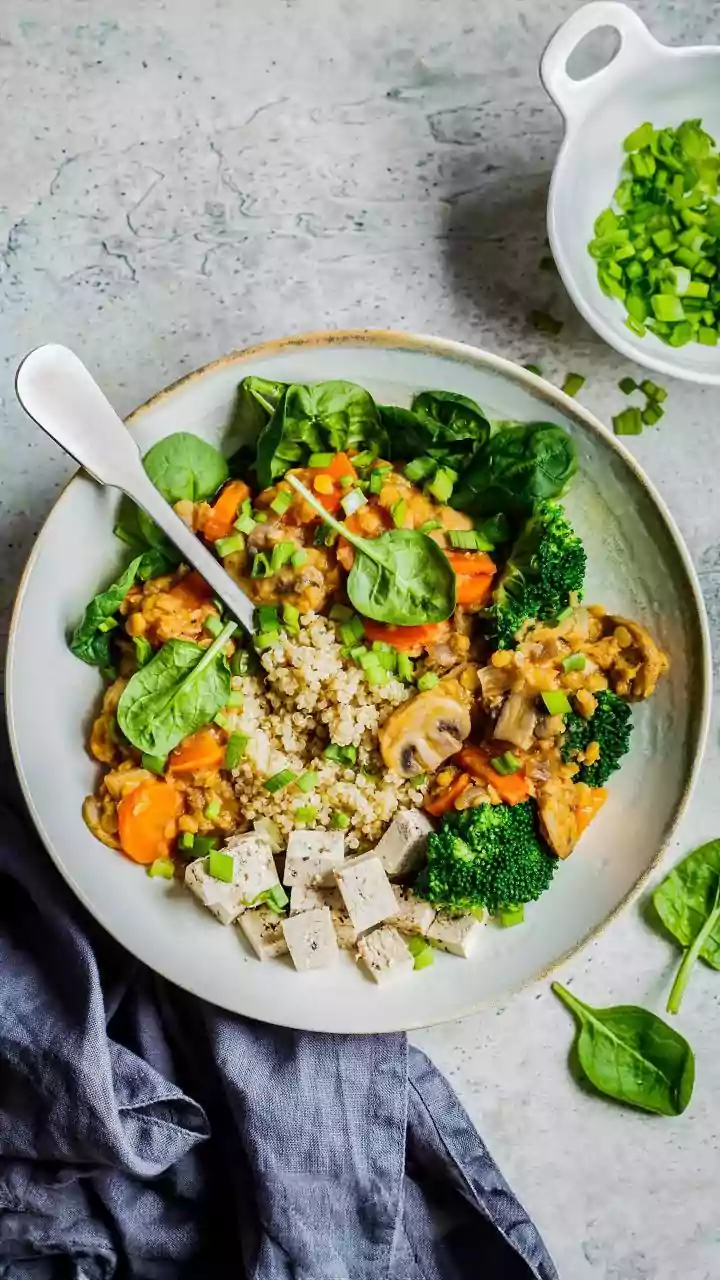
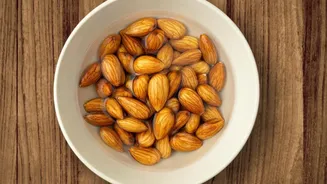
You don’t need a strict recipe to create a delicious grain bowl. Just follow this simple, customisable formula. 1. The Base: Start with about half a cup of your chosen ancient grain, such as millet, quinoa, or barley. Cook it in water or vegetable broth for extra flavour. 2. The Protein: Add a handful of chickpeas, kidney beans (rajma), lentils, or paneer cubes. If you're not vegetarian, leftover chicken works well too. 3. The Veggies: This is where you can get creative and use whatever is in the fridge. Onions, tomatoes, carrots, peas, spinach, and mushrooms are all fantastic options. Toss them in with the grain to cook together. 4. The Flavour: A simple tadka of cumin seeds and ginger, a spoonful of curry powder, or a dash of soy sauce can transform your dish. 5. The Toppings: Finish your bowl with a squeeze of lime juice, fresh coriander, a few chopped nuts for crunch, or a dollop of yoghurt.
Tips for a Harmonious Shared Kitchen
Cooking in a shared space requires consideration for your flatmates. To avoid conflict, try to clean as you go. Wash your pot and any utensils immediately after you’re done so the kitchen is ready for the next person. It’s also wise to prep your ingredients in a smaller area or even in your room to minimise the time you occupy the main cooking space during peak hours. Labelling your ingredients in the fridge and cupboards is another smart move to prevent mix-ups. You could even suggest a group cooking night; sharing a meal is a great way to bond with your flatmates and make the kitchen a more social, friendly space.