








What Is the 'Code Change'?
The 'code change' is not a single line of altered software but a sweeping new policy from the Pentagon aimed at overhauling how it develops, buys, and maintains the software that runs everything from payroll to missile defense. Recent directives, such
as the 'Accelerated Mission Software' instruction that took effect in September 2026, mandate modern, agile software development practices across the Department of Defense. The goal is to move away from slow, hardware-based procurement cycles and toward a model of continuous updates, similar to how commercial tech companies operate. This push has been formalized in initiatives like the Missile Defense Agency's (MDA) 'Machine Aided Software Modernization' (MASM) solicitation, which explicitly seeks to use AI and machine learning to translate aging, vulnerable code into modern, secure programming languages. This represents a fundamental shift from a world where software was tied to a specific piece of hardware for decades to one where it must be adaptable and constantly evolving to meet new threats.
The Legacy Systems in Focus
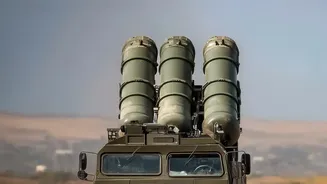
The weapons systems caught in the crosshairs of this modernization push are often decades old, sometimes running on code written in programming languages like Ada, C, or older versions of C++ that are now considered obsolete and hard to maintain. These 'legacy' systems can include critical components of the national defense infrastructure, such as early warning radars, missile defense interceptors, and the command-and-control networks that coordinate them. A Government Accountability Office (GAO) report from 2019 highlighted that some of the government's most critical systems were between 8 and 51 years old, using outdated languages and operating with known security vulnerabilities that could not be fixed without complete modernization. While the Pentagon's modernization plan is broad, the MDA's recent call to overhaul its tactical codebase shines a direct light on the software underpinning the systems designed to protect the U.S. from missile attacks. These are not forgotten relics; they are active, crucial parts of the defense architecture that are increasingly difficult to secure and update.
The Official Explanation and Its Urgency
The reported explanation for this aggressive software overhaul is rooted in national security and speed. Pentagon officials and industry leaders argue that the current model, where software updates can take months or years, is dangerously slow for a modern battlefield. The war in Ukraine, for example, demonstrated that software needs to be updated daily, not annually. In an era of rapidly evolving cyber threats and advanced adversaries, relying on systems with known vulnerabilities and unsupported software is an unacceptable risk. The Pentagon’s goal is to create a 'data flywheel'—a continuous feedback loop where software is constantly refactored, tested, and optimized, automatically flagging vulnerabilities and even drafting fixes. This shift is seen as essential to 'maximize lethality' and maintain a technological edge over competitors. The effort aims to break down the proprietary barriers that have long prevented different systems, often made by competing contractors, from communicating with each other—a problem the Army recently tackled in a high-profile 'hackathon' called Operation Jailbreak.
Unanswered Questions and New Risks
While the need for modernization is clear, this rapid code change raises significant questions. Chief among them is the risk associated with translating highly complex, safety-critical code. The MDA's solicitation demands that any new, machine-translated code must behave exactly like the original legacy baseline, preserving its logic and timing to the millisecond. Any error in this translation could have catastrophic consequences in a real-world missile defense scenario. Furthermore, there are questions about cost and feasibility. The GAO has repeatedly found that the Pentagon struggles to implement acquisition reforms, with major programs often facing delays and starting with immature technologies. This push to modernize some of the oldest, most complex code in the U.S. inventory is a monumental undertaking. Experts also point to the challenge of integrating brand-new digital systems with aging hardware, a perpetual engineering challenge with enormous implications, especially within the nuclear arsenal. Successfully navigating this transition without creating new, unforeseen security gaps will be the ultimate test of the Pentagon's new software-first philosophy.