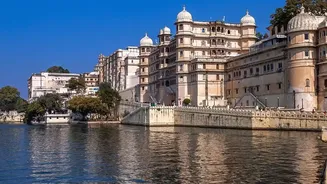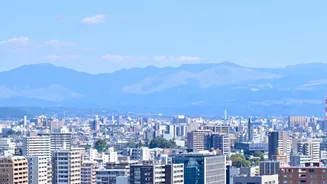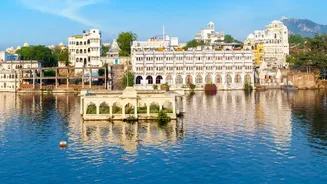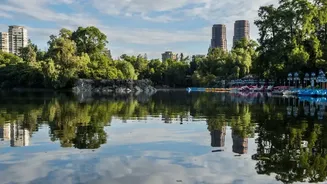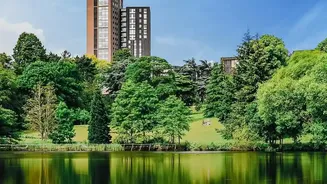





In the concrete sprawl of India’s rapidly growing cities, an often-overlooked feature provides a vital lifeline: the urban lake. More than just a picturesque spot, these water bodies are powerful engines of ecological balance and climate relief.
Nature's Air Conditioners
Cities
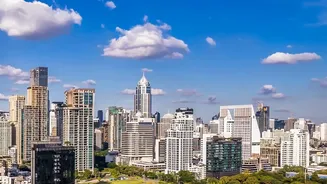
are significantly warmer than surrounding rural areas, a phenomenon known as the 'urban heat island' effect. Buildings and roads absorb and retain the sun’s heat, raising temperatures. Urban lakes counter this by providing a natural cooling service. Through a process called evaporative cooling, water absorbs a great deal of heat before it gets warmer and evaporates, cooling the surrounding air. This can lead to a noticeable drop in local temperatures, offering residents welcome relief from scorching summer heat. Studies have shown that even a modest increase in water body coverage can significantly reduce the intensity of the urban heat island effect, making neighbourhoods more liveable.
Islands of Biodiversity
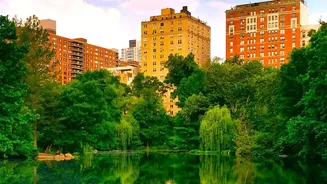
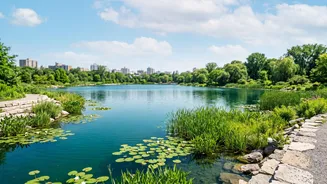
Amidst the urban hustle, lakes function as crucial habitats for a surprising variety of native fauna. They are vibrant ecosystems that provide food, water, and shelter for numerous species. In otherwise modified landscapes, these water bodies become biodiversity hotspots, supporting everything from insects and amphibians to a rich array of birdlife. Restored lakes in Indian cities like Bengaluru and Chennai have seen the return of bird species not seen in decades, including residential birds and seasonal migratory visitors. These lakes are essential for breeding, feeding, and roosting, acting as vital green-blue infrastructure in an increasingly concrete world.
More Than Just Environmental Benefits
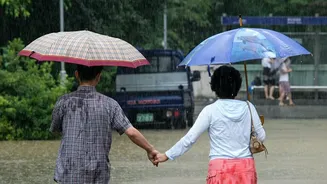
The value of urban lakes extends beyond temperature regulation and wildlife support. They play a critical role in managing urban water systems by absorbing excess rainwater, which helps prevent flooding during heavy monsoons and recharges essential groundwater reserves. Furthermore, these spaces have a profound impact on human wellbeing. They serve as community hubs for recreation, social gatherings, and quiet reflection, contributing to mental and physical health. Access to such natural spaces within a city strengthens social cohesion and improves the overall quality of urban life.
A Fragile Lifeline Under Threat
Despite their immense value, urban lakes across India are facing unprecedented threats. Rapid and often unplanned urbanisation has led to widespread encroachment, where lakes are viewed as real estate rather than vital ecological assets. Many have become dumping grounds for untreated sewage, industrial effluents, and solid waste. This pollution leads to a process called eutrophication, where excessive nutrients cause algal blooms that deplete oxygen, killing aquatic life and turning the water toxic. This degradation not only destroys biodiversity but also eliminates the lake's ability to provide clean water, flood control, and heat relief, posing serious risks to public health and safety.
The Path to Restoration
Fortunately, a growing movement of citizens, NGOs, and government bodies is working to turn the tide. Successful restoration projects in cities like Coimbatore, Bengaluru, and Chennai offer a blueprint for revival. These efforts typically involve desilting the lakebed, clearing encroachments, removing invasive species, and crucially, stopping the inflow of pollutants by installing wastewater treatment systems. Community participation has proven essential for the long term success and maintenance of these restored water bodies. These projects demonstrate that with scientific intervention and dedicated community stewardship, even severely degraded lakes can be brought back to life.