






Start Ridiculously Small
One of the biggest mistakes people make when starting to exercise is going too big, too soon. Instead of committing to an hour-long workout, begin with something that feels almost too easy. This is about building the habit, not achieving peak performance
on day one. Think of it as a 'two-minute rule': do two minutes of an activity. That could be two minutes of walking in place, two minutes of stretching, or just putting on your workout clothes. The goal is to make the action so small and repeatable that your brain doesn't resist it. This small win builds confidence and momentum, making it easier to show up again tomorrow.
Focus on Consistency, Not Intensity
The key to long-term fitness is consistency, not intensity. Doing five minutes of exercise every day is far more effective for habit formation than one heroic, exhausting workout per week. These small, daily actions compound over time, leading to significant progress. Research shows that short bursts of activity, sometimes called 'exercise snacks', can improve cardiovascular fitness, muscle strength, and metabolic health. These brief bouts add up and can positively impact everything from blood sugar control to weight management. Remember, the initial goal isn't to transform your body overnight; it's to make movement a non-negotiable part of your day.
Try Habit Stacking
A powerful technique for building a new habit is 'habit stacking'. This involves pairing a new behaviour with an existing one that's already part of your daily routine. The formula is simple: After I [current habit], I will [new fitness habit]. For example, you could decide: "After I brush my teeth in the morning, I will do ten squats." Or, "While my morning tea is brewing, I will hold a 30-second plank." By linking the new activity to an established trigger, you reduce decision fatigue and make the new habit feel more automatic. It removes the need for motivation by building fitness directly into the structure of your day.
Redefine What Counts as Exercise
You don't need a gym membership or fancy equipment to be active. Broaden your definition of what 'counts' as exercise. A brisk walk during your lunch break, taking the stairs instead of the elevator, dancing in your living room, or even vigorous housework are all valid forms of movement. The key is to elevate your heart rate and engage your muscles, even briefly. Studies show that just a few minutes of vigorous activity spread throughout the day can lead to significant health benefits, including a lower risk of cardiovascular disease and cancer. By recognising all the ways you can be active, you create more opportunities to move and build a positive relationship with exercise.
Prepare Your Environment for Success
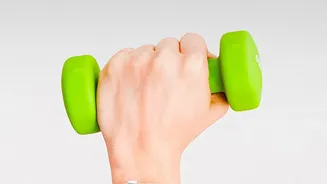
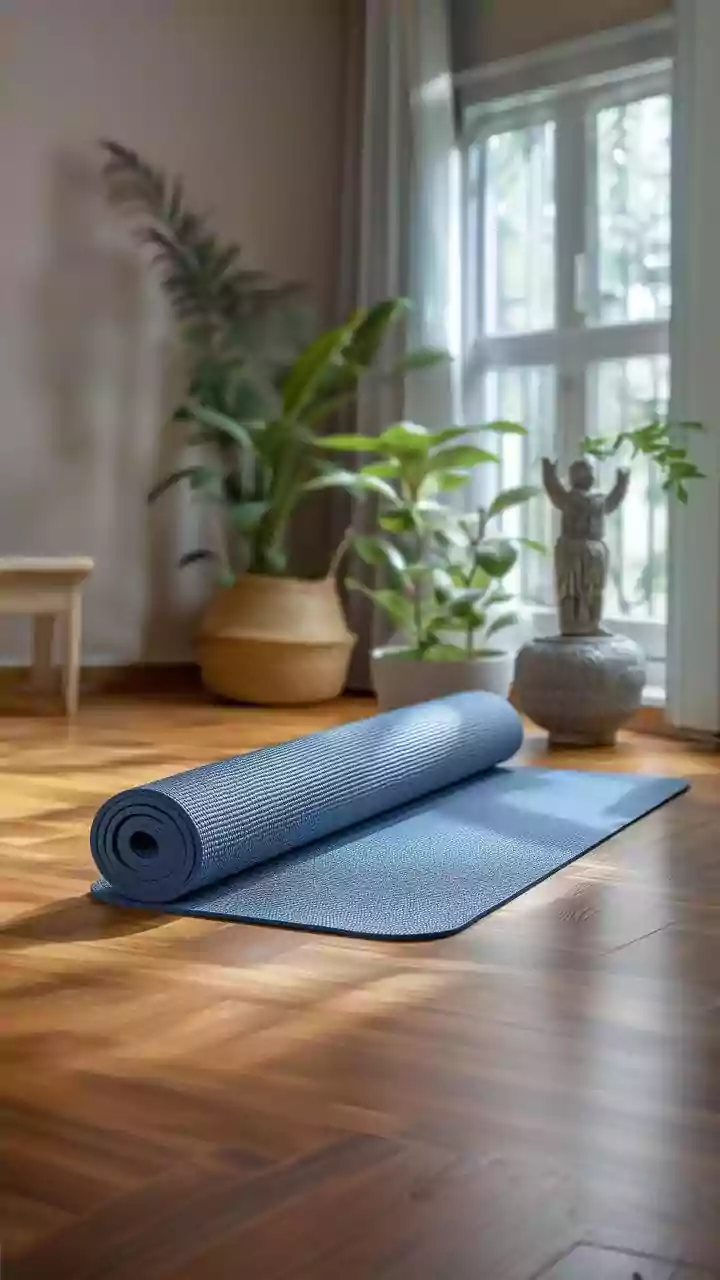
Your environment plays a significant role in shaping your behaviour. Make it easier to follow through on your exercise intentions by reducing friction. This could mean laying out your workout clothes the night before, so they're the first thing you see in the morning. You could keep a pair of dumbbells by your work desk for quick 'exercise snacks' or place your yoga mat in a visible spot in your living room. These environmental cues act as reminders and make it simpler to start the desired behaviour. When the path of least resistance leads to your new habit, you are far more likely to stick with it.
Shift Your Mindset to Identity
Instead of focusing on outcomes like losing a certain amount of weight, try focusing on your identity. Reframe your thinking from "I want to move regularly" to "I am someone who moves regularly." This shift is powerful because your brain seeks to align your actions with your self-perception. To build this new identity, you don't need intense workouts; you just need consistent proof. Every time you perform your small habit—whether it's a five-minute walk or a few squats—you are casting a vote for this new identity. This internal validation is often more motivating than any external reward.