


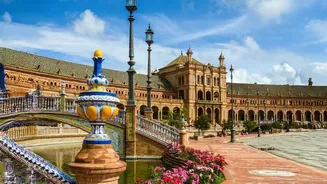
The dream of a Spanish holiday is often filled with visions of flamenco, tapas, and architectural marvels. But the reality at the country's most famous attractions now includes something else: massive crowds that can reshape the entire experience.
The Double-Edged Sword of Popularity
Spain
is one of the world's most visited countries, with 2026 on track to set new records for international arrivals. This popularity is a boon for the economy but has led to 'overtourism' in hotspots like Barcelona, Madrid, and Granada. For travellers, this means that spontaneity is no longer an option at top-tier sites. The experience is now defined by long queues, packed viewing areas, and the necessity of booking tickets weeks or even months in advance. For locals, the impact is more severe, leading to protests over strained public services, rising housing costs, and the feeling that their neighbourhoods are becoming theme parks for tourists. As a result, Spanish authorities are implementing new rules, from tourist taxes to restrictions on short-term rentals, to manage the flow.
Barcelona's Gaudi Masterpieces
In Barcelona, Antoni Gaudí's fantastical creations are the main draw. The Sagrada Familia, his unfinished basilica, receives around 4.7 million visitors a year, with up to 16,000 people per day. Showing up without a pre-purchased ticket is a common mistake that guarantees you won't get in. The sheer volume of people can make it hard to appreciate the intricate details, and crowds often spill into the streets, creating friction with local residents. In response, the city is building a new dedicated tourist zone to ease congestion, which is expected to be completed in 2026. Similarly, at Park Güell, access to the famous mosaic-covered monumental zone is strictly controlled by timed-entry tickets, which often sell out days in advance. Visiting early in the morning or late in the afternoon is recommended to avoid the worst of the crowds.
Granada and the Alhambra's Majesty
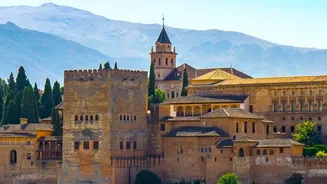
The Alhambra in Granada is often cited as Spain's most visited monument. This stunning palace and fortress complex has long implemented strict visitor limits to preserve its delicate architecture. Tickets, especially for the coveted Nasrid Palaces, must be booked months in advance. Arriving without a ticket means you will almost certainly be turned away. The experience inside is heavily structured, with timed entry slots for different sections of the complex. While these measures are essential for preservation, they transform a visit from a leisurely exploration into a precisely timed event. Some visitors find that the presence of large tour groups can make it difficult to linger and soak in the atmosphere of the unique Moorish architecture.
Navigating a More Crowded Spain
The challenges are not limited to Barcelona and Granada. In Madrid, major art museums like the Prado see heavy traffic, and popular islands such as Mallorca and Ibiza have been flashpoints for anti-tourism protests due to environmental strain and overcrowding. For travellers, the key to a successful trip in 2026 is planning. Booking tickets online for all major attractions is no longer a suggestion but a necessity. Consider travelling during the 'shoulder seasons' (spring and autumn) when the weather is still pleasant but the crowds are thinner. Another strategy is to explore beyond the most famous sites. Regions like Asturias or the Basque Country offer stunning scenery and rich culture with a fraction of the visitors. Opting for a smaller city like Girona instead of Barcelona can provide a similar Catalan experience without the overwhelming crowds.