


An Ancient Culinary Heritage
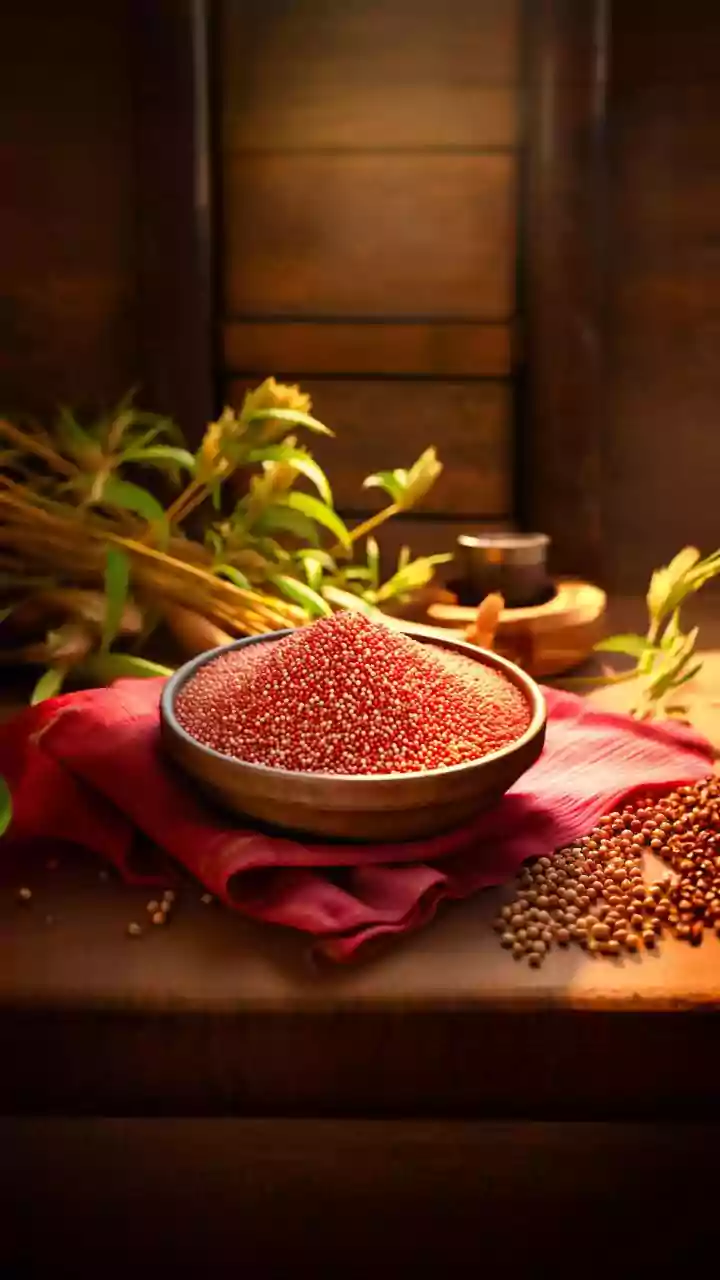
Millets are not a new health fad; they are among the oldest cultivated crops in the world, with evidence of their consumption in India dating back thousands of years to the Indus Valley Civilization. Texts from the Vedic period also mention grains like
Foxtail Millet (priyangava) and Barnyard Millet (aanava), indicating their integral role in the diet of ancient India. For millennia, these hardy, drought-resistant cereals were staple foods across the subcontinent, from Ragi in the south to Bajra in the west and Jowar in the central plateau. However, with the Green Revolution in the mid-20th century, the focus shifted to high-yield varieties of wheat and rice, and millets were gradually sidelined, often dismissed as 'coarse grains'.
The Resurgence of a Superfood
Today, there's a growing recognition of the immense value these ancient grains hold. Driven by a renewed focus on nutrition, sustainability, and health, millets are being rediscovered by a new generation. Their ability to thrive in arid conditions with minimal water makes them an environmentally sound choice for farmers. For consumers, their rich nutritional profiles offer a compelling reason to bring them back to the dining table. The Indian government and global bodies have also taken note, with the United Nations declaring 2023 the International Year of Millets to raise awareness of their benefits.
Ragi: The Calcium Powerhouse
Known as Finger Millet, Ragi is a nutritional giant, particularly celebrated for its high calcium content—one of the richest non-dairy sources available in India. This makes it excellent for bone health. Its deep, brownish colour and earthy flavour are characteristic of many South Indian kitchens. Traditionally, it's used to make Ragi Mudde (dense, steamed balls) in Karnataka, a staple often eaten with sambar or curry. It's also used to make nutritious porridge, dosas, and rotis. Being rich in fibre and naturally gluten-free, Ragi helps in managing blood sugar levels and aids in weight management by keeping you feeling full for longer.
Bajra: The Winter Staple
Pearl Millet, or Bajra, is a staple in the arid regions of Rajasthan and Gujarat, where it has been a source of energy for centuries. It is known for its warming properties, making it a popular choice during the winter months. Bajra is rich in iron, protein, and fibre. The most common way to consume Bajra is in the form of a thick, rustic flatbread called 'Bajra Roti' or 'Bhakri', often served with a dollop of ghee and a side of dal or vegetable curry. Beyond rotis, Bajra is also used to prepare wholesome dishes like khichdi and porridge.
Jowar: The Versatile Grain
Jowar, also known as Sorghum, is another major millet that is widely consumed across Maharashtra, Karnataka, and other parts of India. It is prized for its high fibre and protein content and is naturally gluten-free. Like Bajra, Jowar is most famously used to make Bhakri, a soft, unleavened flatbread that pairs well with a variety of curries and chutneys. Its mild, slightly nutty flavour makes it incredibly versatile. Jowar flour can be used in dosas and upma, and even puffed Jowar can be enjoyed as a light snack, similar to popcorn. Its low glycemic index also makes it a favourable choice for managing blood sugar.
Exploring Other Millet Varieties
Beyond the 'big three', India's food traditions include a host of other 'small millets'. Foxtail Millet (Kangni) is often used for dishes like upma and pulao. Barnyard Millet (Sanwa) is a popular food during fasts, while Kodo Millet (Kodra) is valued for its high antioxidant properties. Each of these grains offers a unique texture, flavour, and nutritional profile, providing a wide canvas for culinary exploration, from traditional pongal and khichdi to modern salads and baked goods.