




What Exactly Is Compounding?
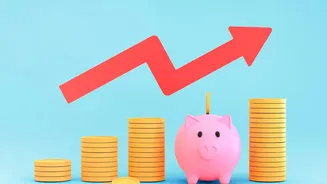
At its core, compounding is the process where your investment returns start earning their own returns. Think of it as a snowball effect. You start with a small snowball (your initial investment). As it rolls downhill, it picks up more snow (your returns).
Soon, the new snow also starts picking up more snow, and the snowball grows bigger and faster. In financial terms, you earn returns not just on your original investment—known as the principal—but also on the accumulated returns from previous periods. This is different from simple interest, where you only earn returns on the principal amount. This 'interest on interest' effect is what transforms small, regular savings into a substantial corpus over time.
An Example: The Power of an Early Start
To truly understand the impact of compounding, let's consider two friends, Priya and Rohan. Priya starts investing ₹5,000 every month in a Systematic Investment Plan (SIP) at the age of 25. She does this for 10 years and then stops, having invested a total of ₹6 lakhs. Rohan waits until he's 35 to start. He invests the same ₹5,000 per month, but he does it for the next 30 years until he's 65, investing a total of ₹18 lakhs. Assuming an average annual return of 10%, who has more money at age 65? Surprisingly, it's Priya. Even though she invested only a third of the money, her investment would have grown to approximately ₹1.1 crore. Rohan, despite investing for 30 years, would have a corpus of around ₹95 lakhs. Priya's head start of just 10 years allowed her money much more time to compound and grow exponentially.
Why Your Twenties Are a Financial Superpower
The single most important ingredient for successful compounding is time. When you start investing in your early twenties, you give your money the longest possible runway to grow—potentially 40 years or more. This long investment horizon does two amazing things. First, it maximises the snowball effect of compounding, as seen with Priya's example. Second, it allows you to take on a bit more risk. Since you won't need the money for decades, you can weather the short-term ups and downs of the market, which often come with higher-growth investments like equities. Even small, consistent investments made in your twenties can grow into a much larger sum than bigger investments made later in life.
How to Get Started in India
Harnessing compounding doesn't require a large amount of capital. The key is to start early and be consistent. For young investors in India, one of the most accessible ways to begin is through a Systematic Investment Plan (SIP) in mutual funds. A SIP allows you to invest a fixed amount regularly (e.g., monthly), which builds financial discipline. Each investment buys units of a mutual fund, and over time, the returns generated are reinvested, fuelling the compounding engine. Other options include the Public Provident Fund (PPF), which offers tax benefits and guaranteed returns, and simply reinvesting interest from Fixed Deposits. The goal is to choose a method that suits your risk appetite and stick with it.
The Mindset for Success
While the maths of compounding is powerful, the right mindset is crucial. The biggest mistake young investors make is waiting for the 'perfect time' or a bigger salary to start. The truth is, the amount you start with is less important than the habit you build. Automating your investments, like setting up a monthly SIP, removes the need for willpower and ensures consistency. Don't be discouraged by market fluctuations; they are a normal part of long-term investing. The goal is not to time the market, but to have time in the market. By being patient and staying invested, you allow compounding to do its quiet, magical work in the background, building a foundation for your financial future.