







From Sidelines to Storylines
For decades, being a football fan largely meant tuning in for 90 minutes, then waiting a week for the next match. Today, the game never truly ends. Young audiences are diving deep into the sport through a constant stream of narrative content. Slickly
produced docu-series like 'All or Nothing' and 'Sunderland 'Til I Die' offer unprecedented behind-the-scenes access, turning players into protagonists and seasons into dramatic arcs. This shift from pure sport to sports-as-storytelling has been a game-changer. The most famous example, Formula 1's 'Drive to Survive', is credited with attracting a new, younger, and more diverse fanbase by focusing on the people and personalities behind the wheel. Football clubs and leagues have taken note, understanding that to capture the attention of Gen Z, they need to offer more than just live action; they need to provide a compelling narrative that fans can invest in emotionally.
The Couch as a Command Centre
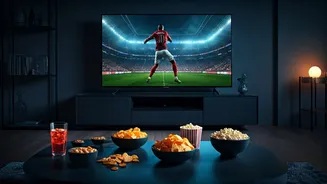
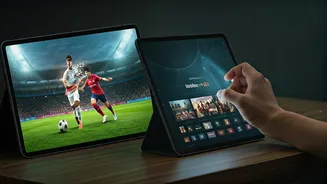
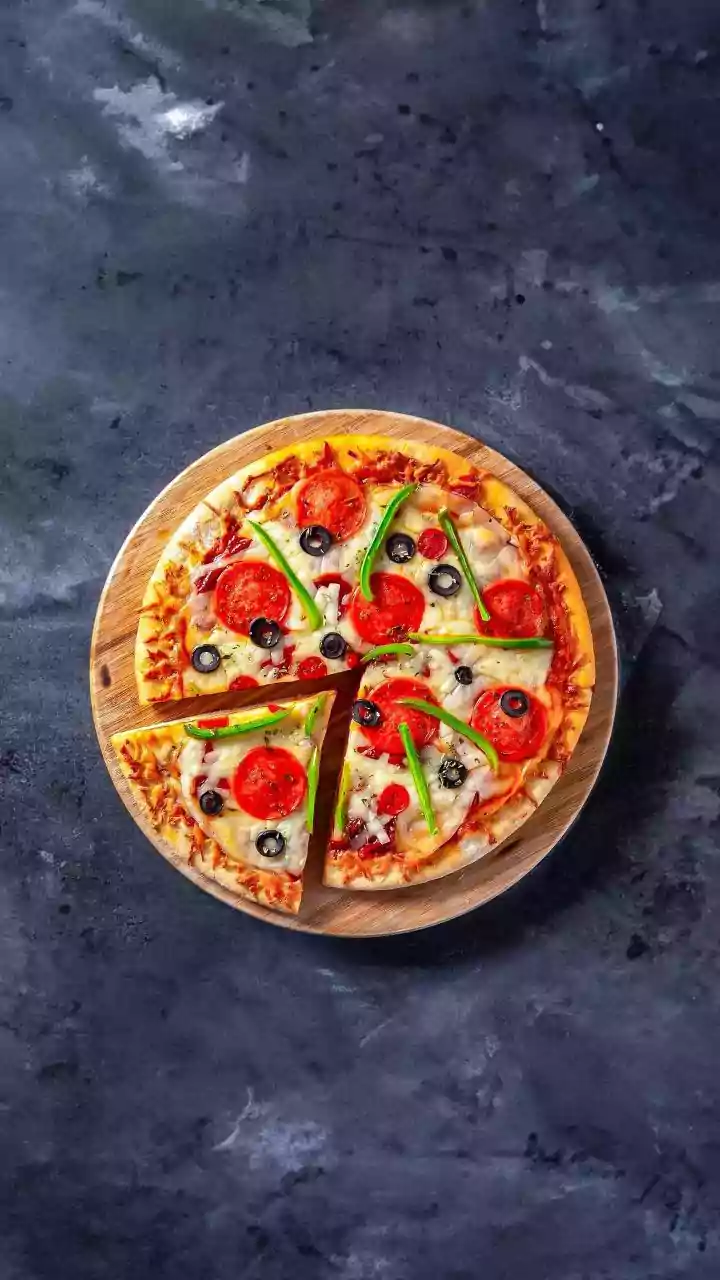
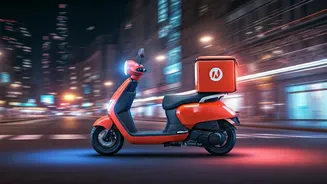
This heightened emotional investment is having a direct and measurable impact on fan behaviour, particularly when it comes to spending. As fans immerse themselves in the drama, their viewing experience becomes a launchpad for real-time purchasing. The ongoing FIFA World Cup provides a perfect case study in the Indian market. With many matches broadcast late at night due to time differences, food delivery platforms have reported a surge in orders. Industry data shows a significant 12-15% jump in late-night food orders, primarily driven by football fans watching the games from home. Quick-service restaurants, cloud kitchens, and dessert brands are seeing a boom as viewers order pizzas, burgers, and snacks to enhance their at-home watch parties. In this new model, the second screen—the phone in a fan’s hand—isn’t just for checking stats or chatting with friends; it’s a direct portal for commerce.
The Psychology of Participation
So, what drives this behaviour? It's a combination of psychology and technology. The narrative-heavy content makes fans feel like insiders, creating a deeper, more personal connection to the teams and players. This sense of belonging transforms passive viewing into an active experience. Ordering food for the match is no longer just about convenience; it's an act of participation. It's about creating an event, a ritual that enhances the emotional stakes of the game. When you’re emotionally invested in a story, you want to be part of it. The modern digital ecosystem, with its seamless streaming and one-click ordering, removes any friction. This allows the impulse to participate—whether by ordering a celebratory meal after a dramatic win or a consolation pizza after a heartbreaking loss—to be acted upon instantly.
A New Playbook for Indian Business
This trend represents a massive opportunity for businesses in India, a country with a rapidly growing football fanbase and a mature digital economy. Food delivery and quick-commerce platforms are already capitalizing by extending their operating hours and running targeted promotions around match schedules. McDonald’s, for instance, now keeps about 20% of its outlets in key Indian cities open until 3 am to cater to these late-night viewers. But the potential extends far beyond food. The same emotional investment that drives a late-night food order can also drive merchandise sales, subscriptions to premium content, and engagement with interactive features like polls and fantasy leagues. As streaming platforms become the primary way fans consume football, they are evolving into fully-fledged ecosystems where content, community, and commerce converge. For brands, the key is to integrate themselves authentically into the fan’s journey, becoming part of the experience rather than an interruption to it.