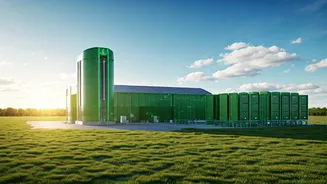










The Green Job Revolution is Here
India's commitment to achieving ambitious climate targets, including 500 GW of non-fossil fuel energy capacity by 2030, is creating a massive economic shift. This green transition is fueling a remarkable workforce transformation, with projections suggesting
the creation of millions of new jobs. The renewable energy sector alone is expected to generate over 3 million jobs by 2030. But these opportunities are not just for scientists and engineers. Green skills are becoming essential across a wide range of industries, including construction, manufacturing, finance, and even IT. From solar panel installers to ESG (Environmental, Social, and Governance) analysts, the demand for green talent is surging, yet many companies report a significant skills gap, struggling to find candidates with the right expertise. This gap presents a golden opportunity for professionals willing to invest in the skills of the future.
Renewable Energy Systems and Management
The most visible driver of the green economy is the renewable energy sector. Skills related to solar, wind, and biomass energy are in extremely high demand. For technical professionals, this means expertise in installing, maintaining, and managing solar photovoltaic (PV) systems and wind turbines. Government initiatives like 'PM Surya Ghar: Muft Bijli Yojana' are set to create a wave of jobs in rooftop solar installation and maintenance. Beyond technical roles, there is a growing need for energy auditors and managers who can help industries optimize energy consumption. Certifications from bodies like the Bureau of Energy Efficiency (BEE) are highly valued. As India pushes towards its renewable energy goals, professionals who understand these systems—from generation to storage and distribution—will be indispensable.
ESG and Sustainability Reporting
Today, a company's value is measured by more than just its profits. Investors, regulators, and consumers are demanding transparency on environmental, social, and governance performance. This has led to a boom in demand for ESG analysts and sustainability consultants. These professionals help organisations develop sustainability strategies, measure their environmental impact through carbon accounting, and prepare detailed reports using frameworks like BRSR (Business Responsibility and Sustainability Reporting), GRI, and SASB. With SEBI mandating ESG reporting for many companies, this has become a critical business function. This field requires a unique blend of financial knowledge and environmental expertise, making it a lucrative niche for those with the right skills.
Green Building and Sustainable Construction
The construction and real estate sector is a major contributor to carbon emissions, and the push for sustainability is transforming the industry. Professionals with skills in green building design, sustainable construction materials, and resource efficiency are highly sought after. Certifications like the Indian Green Building Council (IGBC) Accredited Professional or LEED (Leadership in Energy and Environmental Design) are becoming essential for architects, urban planners, and construction managers. India already ranks among the top three countries globally for LEED-certified projects, signaling a strong and sustained demand for this expertise. These skills are crucial for developing sustainable cities and reducing the environmental footprint of our urban infrastructure.
Circular Economy and Waste Management
The traditional 'take-make-dispose' model is becoming obsolete. The future lies in a circular economy, where resources are reused, recycled, and waste is minimized. This shift is creating jobs for waste management specialists, recycling technicians, and experts in lifecycle assessment (LCA). Skills in developing solutions for pollution control, implementing Extended Producer Responsibility (EPR) compliance, and designing products for longevity and recyclability are becoming core business competencies. Certifications in areas like Zero Waste to Landfill (ZWL) or responsible plastic management can open doors to roles focused on creating more sustainable and efficient supply chains across all manufacturing sectors.