


The Lentil with a Legacy
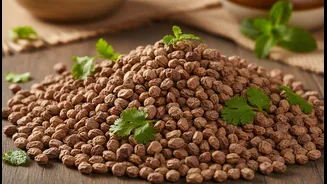
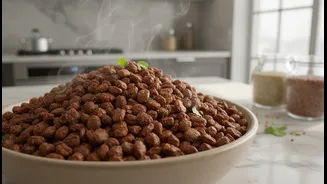
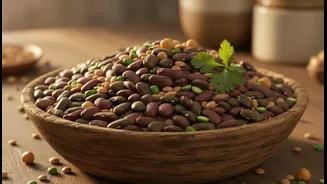
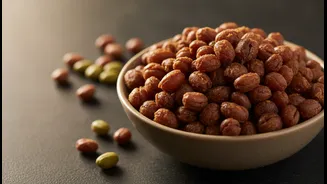
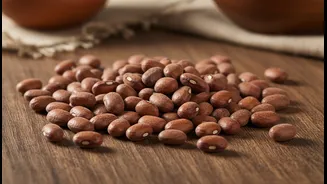
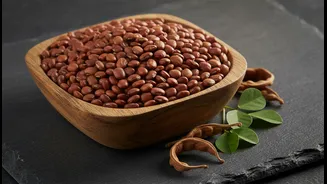
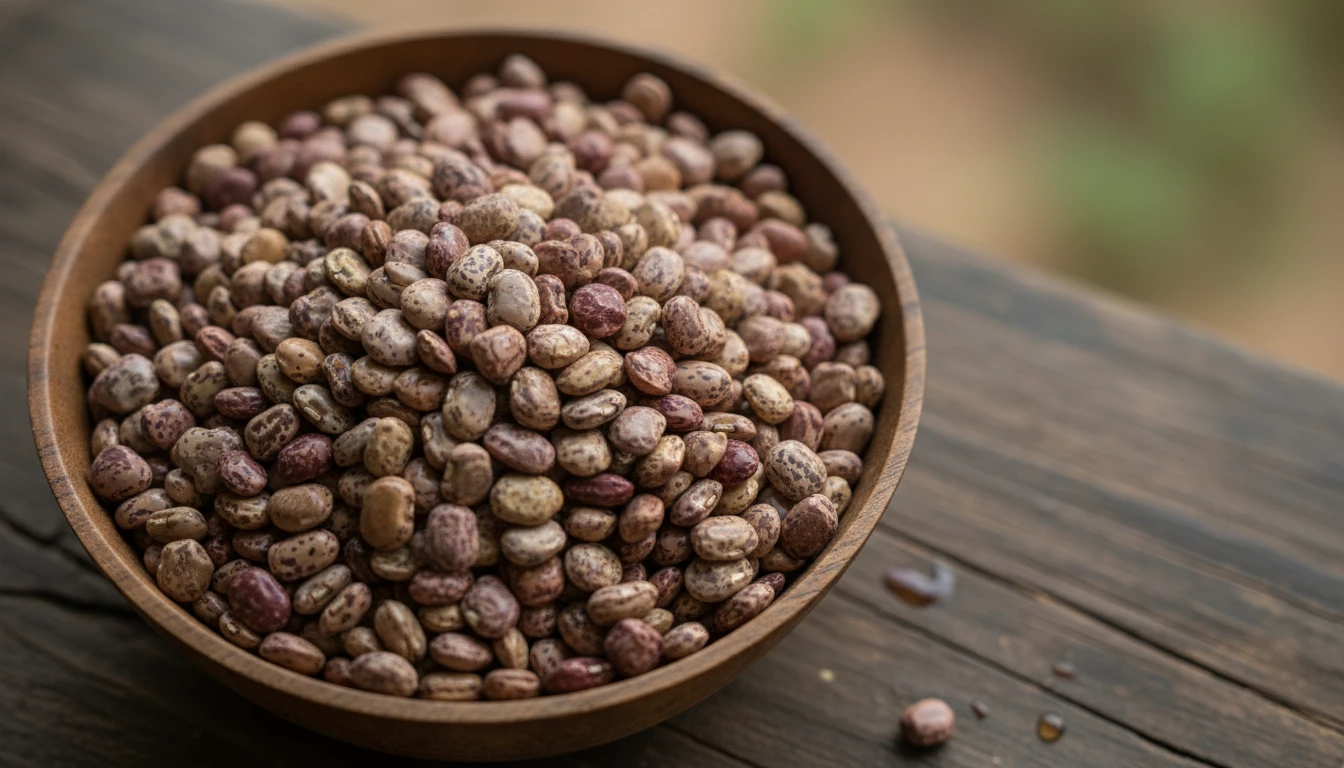
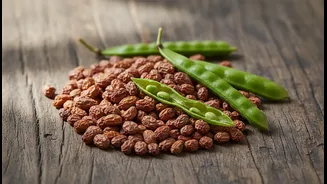
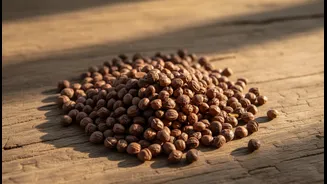
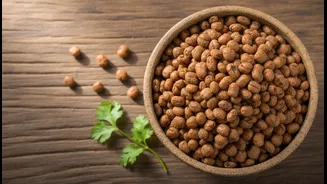
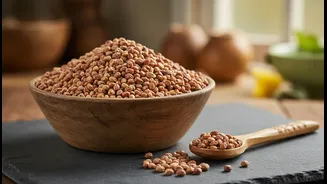
Known as kulthi in Hindi, kollu in Tamil, and ulavalu in Telugu, horse gram (Macrotyloma uniflorum) is a tiny but mighty pulse with a history deeply woven into the fabric of regional Indian cuisine. For centuries, it was a resilient crop, thriving in dry
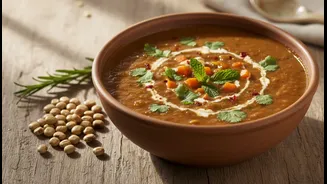
conditions where others failed, making it an essential source of sustenance. Its English name comes from its traditional use as a high-energy feed for horses and cattle. On the human dinner plate, it was often associated with rustic, rural fare—hearty, warming, and deeply nourishing, but rarely seen in the realm of fine dining. It formed the base of classic dishes like the peppery Kollu Rasam in Tamil Nadu, the warming Huruli Saaru in Karnataka, and robust dals in the Pahadi regions of Uttarakhand.
A Nutritional Powerhouse Rediscovered
The recent resurgence of horse gram is no accident; it is a direct result of the growing wellness movement and a collective return to traditional ingredients. Modern consumers and nutritionists are taking a closer look at what generations past already knew: horse gram is a nutritional giant. It boasts the highest protein content of all lentils, making it a fantastic plant-based source for vegetarians and vegans. It is also packed with iron, fibre, and has the highest calcium content among pulses. Traditional Ayurvedic and Siddha medicine have long valued horse gram for its therapeutic properties, using it to treat ailments from the common cold to kidney stones. This impressive profile has rightfully earned it the modern-day title of a 'superfood'.
From Rustic Stews to Modern Plates
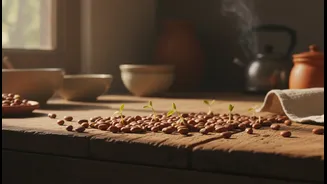
While traditional recipes remain beloved staples, the most exciting part of horse gram's revival is its adaptation into modern comfort food. Chefs and innovative home cooks are moving beyond the classic dal and rasam to explore its versatility. The earthy, robust flavour of the lentil lends itself to a surprising range of contemporary dishes. We are now seeing sprouted horse gram adding a protein-packed crunch to vibrant salads. The legume is being ground into flour to create nutrient-dense batters for dosas or mixed with wheat for fortified rotis. The creativity doesn't stop there. Think of comforting Kulthi Kebabs, which are flavourful, vegan patties perfect as a snack or starter. Some chefs are even experimenting with horse gram in innovative dishes like Ulavacharu Biryani, where the flavourful horse gram soup becomes the base for cooking the rice, creating a uniquely earthy and aromatic one-pot meal.
The New Definition of Comfort
The trend speaks to a larger shift in how we define comfort food. It's no longer just about rich, heavy, and indulgent meals. Today, comfort is also about feeling nourished, connected to one's roots, and making sustainable choices. Horse gram ticks all these boxes. It delivers the satisfying, rib-sticking quality we crave in a comfort meal, but does so with a healthy dose of protein and fibre. Its revival is part of a proud embrace of Indian culinary heritage, turning what was once considered a humble ingredient into a symbol of regional pride. As packaged and branded versions of horse gram flour and ready-to-cook soups appear in urban markets, it's clear this ancient legume is connecting traditional agriculture with modern food trends.