


The Science of a Great Brew
Making coffee is a process of extraction. When hot water meets ground coffee, it dissolves flavour compounds like acids, sugars, and oils, carrying them into your cup. Temperature acts as the gas pedal for this process. Different compounds dissolve at different
rates, and heat controls how quickly and how much gets pulled out. Fruity acids come out first, followed by sugars, and finally, the more bitter compounds. Mastering temperature means controlling this sequence to create a balanced, delicious cup instead of a chemical accident.
The Sour Truth of Water That's Too Cold
If your coffee consistently tastes sharp, sour, or disappointingly thin, your water is likely too cool. Water below the ideal range (under 90°C or 195°F) doesn't have enough energy to properly dissolve all the desirable compounds. It extracts the fast-moving, sour-tasting acids but leaves behind the sugars and oils that provide sweetness and body. This is called under-extraction, and it results in a cup that tastes weak, underdeveloped, and sometimes even grassy.
The Bitter End from Water That's Too Hot
On the other end of the spectrum, using water that's too hot—especially at boiling point (100°C or 212°F)—leads to a bitter, harsh, and drying taste. This is known as over-extraction. The intense heat pulls out too many compounds, including tannins and other bitter elements that are best left in the grounds. It can scorch the delicate aromatics, overwhelming any subtle sweetness or fruity notes your beans may have, leaving you with a hollow, ashy flavour.
Finding the 'Goldilocks Zone'
The sweet spot for most espresso-style and filter coffee brewing is widely considered to be between 90°C and 96°C (195°F and 205°F). Within this 'Goldilocks Zone', water is hot enough to dissolve the desirable sugars and oils but not so hot that it unleashes a flood of bitterness. The specific ideal temperature can vary based on your beans. Lighter roasts are denser and often need more heat (closer to 96°C) to extract fully. Darker roasts are more soluble and can become bitter easily, so they often benefit from slightly cooler water (around 90-92°C).
Controlling Temperature with Simple Equipment
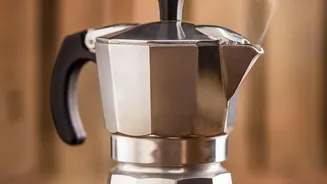
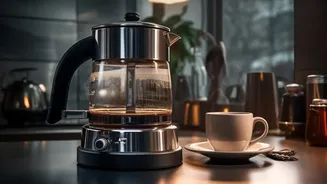
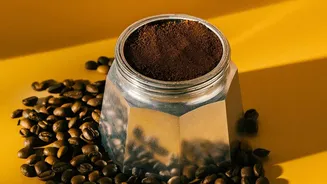
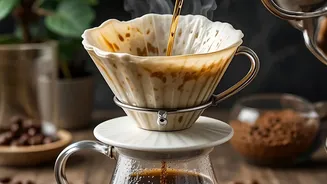
You don't need a high-tech machine with a PID controller to manage your water temperature. If you have a standard kettle, the 'off-boil' method is your best friend. Simply bring your water to a full boil, then take it off the heat and let it sit for 30 to 60 seconds. This will naturally bring the temperature down into the ideal brewing range. For a Moka pot, many users find that starting with pre-heated water in the bottom chamber, rather than cold water, prevents the grounds from 'baking' on the heat and results in a less bitter cup. An inexpensive instant-read kitchen thermometer can also remove all the guesswork, allowing for perfect consistency.
Become Your Own Barista
The best way to understand the impact of temperature is to taste it for yourself. Try a simple experiment. Brew three small, identical batches of coffee. For the first, use water about a minute after it boils. For the second, use water 30-45 seconds off the boil. For the third, use water that has cooled for several minutes. Taste them side-by-side. You will likely notice a clear difference between a sour, a balanced, and a weak cup. This simple test will train your palate and help you dial in the perfect temperature for your specific beans and brewing gear.