


1. Geneva's Bustling Lakefront
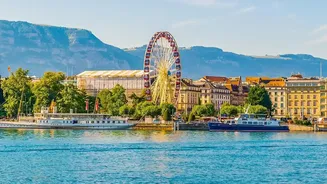
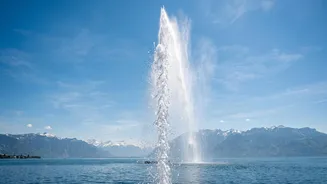
During the peak summer months of July and August, Geneva’s shoreline transforms into a vibrant, bustling hub of activity. The area around the iconic Jet d'Eau, the famous Flower Clock (L'horloge fleurie), and the English Garden (Jardin Anglais) teems
with locals and tourists alike. People flock to the Bains des Pâquis, a popular public bath, for a swim in the lake, while others enjoy cruises that offer stunning views of the city against the Alpine backdrop. The combination of long, sunny days, lakeside cafes, and numerous festivals means the promenades are constantly filled with people enjoying the festive atmosphere. To escape the thickest crowds, consider an early morning stroll or visiting later in the evening when the waterfront is beautifully illuminated.
2. Zermatt and The Matterhorn's Magnetic Pull
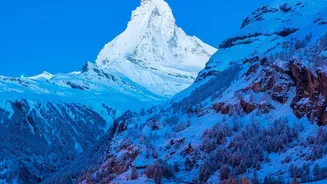
Zermatt, a charming car-free village, sits in the shadow of the world-famous Matterhorn. This iconic peak is a powerful magnet for tourists, drawing nearly two million visitors annually to a town with just under 6,000 permanent residents. During both the peak summer hiking season and the winter ski season, the town's population can swell dramatically. The main street is often a slow-moving river of people, and the cable cars and funiculars, like the Gornergrat railway that offers spectacular Matterhorn views, experience long queues. Lines for popular attractions can exceed an hour without pre-booking. To make the most of your visit, book your mountain excursions online in advance and explore the village's quieter side streets away from the main thoroughfare.
3. Interlaken and the Jungfrau Region
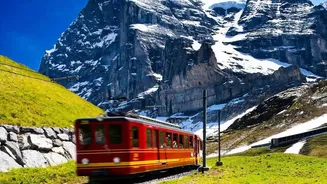
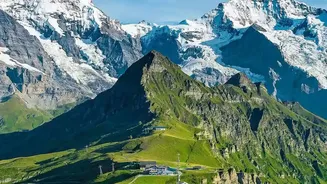
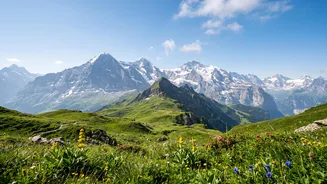
Nestled between two stunning turquoise lakes, Interlaken is the gateway to the majestic Jungfrau region. It serves as the primary base for accessing some of Switzerland's most famous mountains, including the Eiger, Mönch, and Jungfrau. In summer, the town and its surrounding villages like Lauterbrunnen and Grindelwald are packed with adventure-seekers and sightseers. The train to Jungfraujoch, dubbed the 'Top of Europe', is one of the most popular and consequently crowded excursions in the country, often running at full capacity. The viewing platforms and attractions at the top can be incredibly busy. For a more peaceful experience, consider visiting in the shoulder seasons of late spring or early autumn, when the weather is still pleasant but the crowds have thinned.
4. Lucerne’s Fairytale Old Town and Chapel Bridge
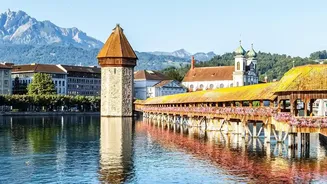
Lucerne, with its picturesque lakeside setting, medieval Old Town, and the iconic Chapel Bridge, is a quintessential Swiss destination. This popularity means its narrow cobblestone streets and historic squares become very congested, especially from June to August. The Chapel Bridge (Kapellbrücke), Europe's oldest covered wooden bridge, is a major thoroughfare and a prime photo spot, leading to a constant flow of foot traffic throughout the day. Restaurants with riverside views are often full, and the area can feel overwhelmingly busy. To enjoy the bridge and its surroundings with some semblance of tranquility, the best advice is to visit early in the morning or later in the evening.
5. Zurich's Urban Hotspots
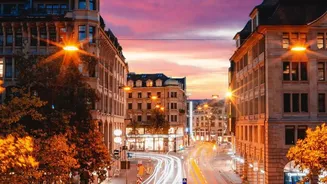
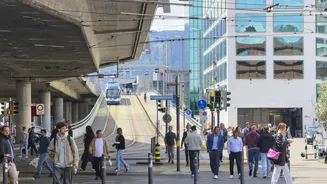
As Switzerland's largest city and a major international travel hub, Zurich’s key areas are perpetually active. The Bahnhofstrasse, one of the world's most exclusive shopping avenues, is always bustling with shoppers and commuters. The nearby Old Town (Altstadt), with its charming alleys, historic guilds, and vibrant nightlife, attracts a steady stream of visitors. While it's a major business and finance center, Zurich is also a top tourist destination, meaning its most famous sights and the promenades along Lake Zurich can become quite crowded, particularly on sunny summer weekends. The city's efficient public transport system makes it easy to navigate, but be prepared for full trams and busy central squares during peak hours.