




The New Star on the Cafe Menu
Across India's urban centres, a quiet beverage revolution is taking place. Health-conscious consumers are looking for alternatives to sugary sodas and alcoholic drinks, creating a demand for beverages that are both flavourful and functional. Enter the
kokum mocktail. This drink is rapidly gaining popularity, moving from a regional speciality to a chic offering in metropolitan cafes. It taps into several modern trends at once: the desire for non-alcoholic 'adult' drinks, a growing interest in low-sugar options, and a cultural curiosity about indigenous Indian ingredients. Mixologists and cafe owners are embracing local produce, and kokum, with its unique flavour profile, is proving to be a versatile star.
What Exactly Is Kokum?
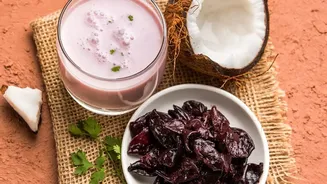
For those unfamiliar, kokum, or Garcinia indica, is a small, purple-red fruit native to India's Western Ghats. It’s a cornerstone of coastal cuisines in Maharashtra, Goa, and Karnataka, where it has been used for centuries. Traditionally, the dried rind of the fruit is used as a souring agent in curries, much like tamarind, but with its own distinct, tangy flavour that has a faint, sweet undertone. Beyond the kitchen, kokum holds a significant place in Ayurveda, where it is known for its cooling properties. The fruit's deep colour comes from anthocyanins, a type of antioxidant, and it also contains compounds like garcinol and hydroxycitric acid (HCA).
The 'Cold-Steeped' Difference
While kokum sherbet is a traditional summer drink, the modern cafe version often uses a 'cold-steeping' method. This involves soaking the dried kokum rinds in cold or room-temperature water for several hours, similar to making cold-brew coffee. This gentle process extracts the fruit's flavour and vibrant colour without drawing out the bitter tannins that can be released with heat. The result is a smoother, more refreshing, and nuanced drink that retains more of the fruit's delicate notes. This method also means that less sugar is needed to balance the flavour, aligning with the growing demand for low-sugar beverages. The final product is a clean, crisp mocktail that feels both modern and authentic.
More Than Just a Thirst Quencher
The headline's claim of "healthy hydration" is rooted in kokum's traditional uses. For generations, kokum-based drinks have been consumed to combat the summer heat, prevent dehydration, and replenish fluids and electrolytes. Its reputation as a natural coolant is well-established in Indian households and Ayurvedic practice. Kokum is also celebrated for its digestive benefits; it's often consumed after meals to aid digestion and provide relief from acidity. The fruit is a source of powerful antioxidants, which help the body combat oxidative stress. While it is low in calories, it delivers these benefits, making it a functional choice for those seeking wellness in their glass.
A Modern Twist on Tradition
The rise of the kokum mocktail is about more than just a single ingredient; it represents a larger cultural shift. As consumers become more discerning, there is a growing appreciation for regional heritage and authentic flavours. Traditional ingredients that were once confined to home kitchens are now being rediscovered and celebrated in contemporary formats. This trend is driven by a desire for products with a story and a connection to place. Serving a cold-steeped kokum mocktail isn't just about offering a healthy drink; it's about celebrating Indian biodiversity and culinary history in a way that resonates with a new generation of global-minded yet locally-rooted consumers. It’s a delicious symbol of tradition meeting modern wellness.