
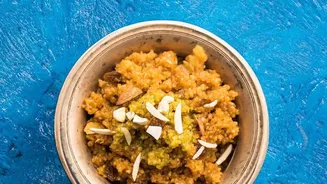


What Exactly is Ambali?
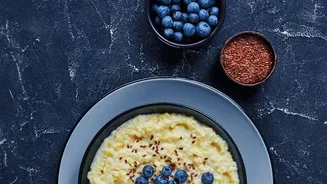
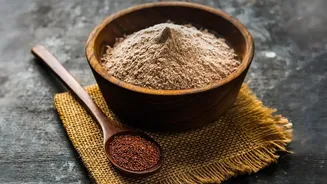
Ambali is a traditional South Indian beverage, particularly popular in Karnataka, made from ragi (finger millet) flour. It's a thin, savoury porridge created by cooking the flour in water and then allowing the mixture to ferment, typically overnight in a clay
pot. This natural fermentation process gives it a distinct, slightly sour taste and a cooling effect on the body. Traditionally consumed by farmers for sustained energy and by families as a nourishing breakfast, it is valued for its simplicity and health benefits. The final drink can be seasoned with salt and served with buttermilk or curd, and sometimes garnished with finely chopped onions or green chillies.
The Science of a Superfood
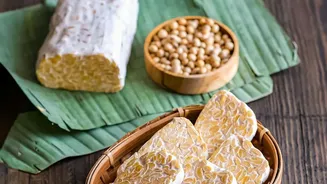
The magic of Ambali lies in two things: the power of millet and the science of fermentation. Finger millet, or ragi, is a nutritional powerhouse on its own. It's naturally gluten-free and a rich source of calcium, iron, dietary fibre, and essential amino acids. However, the fermentation process elevates its benefits significantly. When the cooked porridge is left to sit, naturally occurring beneficial bacteria like Lactobacillus proliferate, turning it into a probiotic-rich food. This process also breaks down anti-nutrients like phytic acid that are present in millets, making minerals like calcium and iron much more bioavailable for the body to absorb. In essence, fermentation unlocks the full nutritional potential of the grain.
A Gut Feeling: The Wellness Wave
The resurgence of Ambali is directly linked to the global wellness movement's focus on gut health. Consumers are increasingly aware of the connection between a healthy gut microbiome and overall well-being, including digestion, immunity, and even mood. As people become more wary of sugary, processed drinks, functional beverages that offer tangible health benefits are in high demand. Ambali fits this description perfectly. It is a natural, unprocessed source of probiotics, which are beneficial bacteria that support a thriving digestive system. Its cooling properties also make it an ideal drink for the Indian climate, helping to hydrate and reduce body heat.
From Farm Fields to Cafe Menus
So why are urban cafes embracing this traditional drink? The trend is part of a larger 'return to roots' movement, where there is a renewed appreciation for ancestral food wisdom and authentic, regional flavours. Diners are actively seeking out foods with a story and a connection to Indian heritage. Innovative cafe owners are tapping into this sentiment by reintroducing heritage drinks to a new generation. They are giving Ambali a modern makeover, serving it in chilled glasses or as a base for non-alcoholic mocktails, making it more appealing to younger, health-conscious consumers. This fusion of old and new resonates with millennials and Gen Z, who are eager to explore traditional ingredients in a modern, 'Instagrammable' context.
More Than Just a Trend
While its appearance in trendy cafes might seem like a fleeting fad, the renewed interest in Ambali signifies a deeper cultural shift. It represents a move away from imported 'superfoods' and towards celebrating the incredible nutritional wisdom already present in our own culinary traditions. For centuries, this simple porridge has provided nourishment and strength to generations. Its comeback isn't just about probiotics; it’s about reclaiming a piece of India's rich food heritage and recognizing that often, the most powerful health solutions are the simplest ones that have been with us all along.