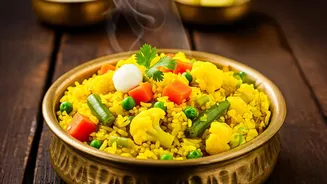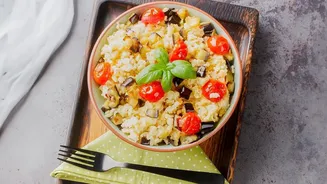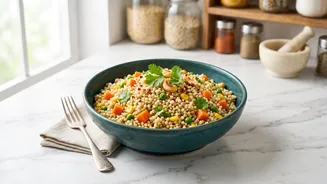




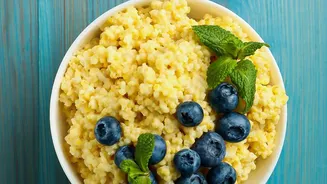
Looking for a healthy, delicious, and easy-to-make meal? A homemade vegetable millet pulao is the perfect answer. This one-pot wonder is a fantastic alternative to rice, packed with nutrients and vibrant flavours from colourful produce.
Why Millets Make a Better Pulao
For generations,
millets have been a staple in Indian households, and they are now making a well-deserved comeback. These small-seeded grains are nutritional powerhouses, naturally gluten-free and packed with protein, fibre, and essential minerals like iron, magnesium, and calcium. Unlike polished rice, millets have a low glycemic index, which means they release energy slowly and help in managing blood sugar levels, making this pulao an excellent choice for a healthy lifestyle. The high fibre content also aids digestion and promotes a feeling of fullness, helping with weight management.
Choosing the Right Millet
The term 'millet' covers a variety of grains, each with a unique texture. For a fluffy, non-sticky pulao where grains remain separate, Foxtail Millet (Kangni/Thinai) is an excellent choice, as it behaves similarly to basmati rice. Kodo Millet (Varagu/Kodra) is another great option, known for holding its shape well in one-pot meals. Barnyard Millet (Sanwa/Kuthiraivali) is also popular; it cooks quickly and absorbs flavours beautifully. It's best to start with one type and see what you prefer, as each has a slightly different taste and cooking time.
The Secret to Fluffy, Separate Grains
The key to a perfect millet pulao lies in the preparation. First, always rinse the millet thoroughly under running water to remove any dust or impurities. Soaking is the next crucial step. Soaking millet for about 20-30 minutes helps to remove phytic acid, making it easier to digest and ensuring it cooks evenly. The water-to-millet ratio is critical to avoid a mushy texture; a 1:2 ratio (one cup of millet to two cups of water) generally works best for most millets like foxtail. Finally, after cooking, let the pulao rest, covered, for at least 5-10 minutes before fluffing it gently with a fork. This allows the grains to firm up and separate.
A Rainbow of Vegetables and Aromatics
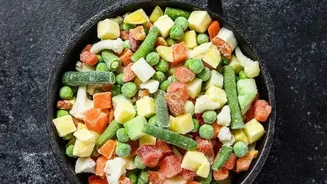
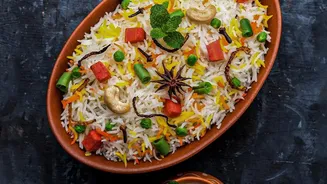
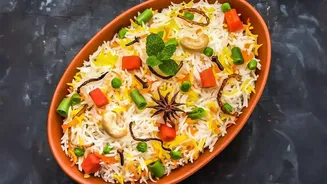
The beauty of a vegetable pulao is its versatility. A colourful mix not only looks appealing but also provides a range of nutrients. Classic choices include carrots, green beans, peas, and potatoes. Don't hesitate to add others like cauliflower, sweet corn, or bell peppers for added texture and flavour. The foundation of any good pulao is the 'tadka' or tempering. Start by heating ghee or oil and adding whole spices like bay leaves, cinnamon, cloves, and cardamom. Sautéing onions until golden, followed by ginger-garlic paste, creates a fragrant and flavourful base that the vegetables and millet will absorb.
Bringing It All Together
Once your aromatics are fragrant, sauté the chopped vegetables for a few minutes before adding the soaked and drained millet. Tossing the millet in the pan for a minute can enhance its nutty flavour. Add the measured water, salt, and fresh herbs like mint and coriander leaves. Bring the mixture to a boil, then reduce the heat to low, cover the pan, and let it simmer for about 12–15 minutes, or until all the water is absorbed. If using a pressure cooker, one whistle on a medium flame is usually sufficient. Remember not to stir the pulao while it's cooking to prevent the grains from breaking. The result is a fragrant, flavourful, and deeply satisfying meal.