







Why Moisture Is More Than a Bad Smell
When we talk about moisture, we're talking about the root cause of many household problems. Excess humidity creates the perfect breeding ground for mould, mildew, and dust mites. These unwelcome guests are not just unsightly; they can release spores and allergens
into the air, potentially triggering allergies, asthma, and other respiratory issues. You might notice symptoms like a stuffy nose, coughing, itchy eyes, or a sore throat. Beyond health concerns, persistent dampness can wreak havoc on your home itself. It can cause paint to peel, wallpaper to bubble, and wooden furniture or flooring to warp and rot. Even your electronic devices can be damaged by high levels of moisture in the air. In short, controlling humidity is fundamental to maintaining both a healthy living space and the structural integrity of your home.
How to Spot the Warning Signs
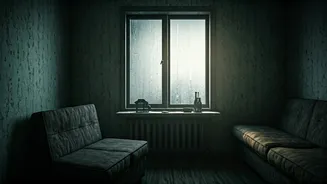
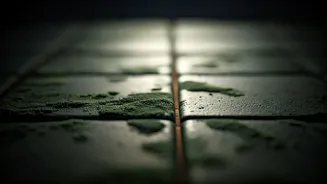
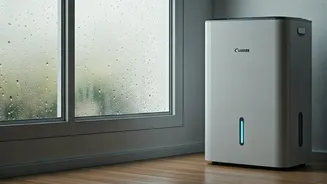
Your home will often give you clear signals that moisture levels are too high. One of the most obvious signs is condensation, which appears as fog, sweat, or water droplets on windows, mirrors, and cool walls. This happens when warm, moist air comes into contact with a cooler surface. Another major red flag is a persistent musty or earthy odour, especially in enclosed spaces like wardrobes, kitchens, or basements. This smell often indicates the presence of hidden mould or mildew growth. Visually, you should look for dark spots or discolouration on walls and ceilings, particularly in corners or areas with poor air circulation. Peeling paint and bulging wallpaper are also tell-tale signs that moisture is trapped in your walls. If you notice any of these issues, it's time to take action.
Master Your Kitchen and Bathroom
The kitchen and bathroom are the primary moisture hotspots in any home. Daily activities like cooking and showering release a significant amount of steam into the air. The key is to manage this moisture at the source. In the kitchen, always use an exhaust fan or chimney when you cook, especially when boiling water. A simple but effective habit is to keep lids on your pots and pans to contain steam. In the bathroom, run the exhaust fan during your shower and for about 15-20 minutes afterwards to clear out the humid air. If you don’t have a fan, opening a window will help. Make it a habit to wipe down wet surfaces like the shower screen and tiles after use. These small routines prevent steam from escaping and spreading throughout the rest of your house.
Let Your Home Breathe
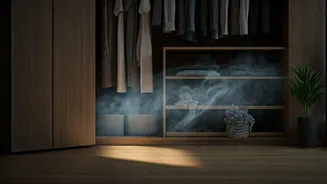
Proper ventilation is your most powerful tool against humidity. Stagnant air traps moisture, so the goal is to keep it moving. Try to open windows and doors for at least 15-20 minutes each day to create a cross-breeze, ideally during cooler, less humid times of the day like the early morning or evening. Using ceiling or standalone fans also helps circulate the air, preventing moisture from settling on surfaces. Be mindful of furniture placement; avoid pushing large items directly against walls, as this can trap air and create damp spots. Regularly airing out closed spaces like wardrobes and cabinets is also crucial, especially during the monsoon season. Simply opening them up for a few hours can make a big difference.
Small Habits for a Big Impact
Several other daily habits can contribute to a drier, fresher home. Avoid drying wet laundry indoors if possible, as it releases a large amount of moisture into the air. If you must dry clothes inside, place them in a well-ventilated area or near an open window. You can also use natural moisture absorbers in enclosed areas. Bowls of coarse salt, baking soda, or charcoal bags placed in wardrobes and cabinets can help draw in excess humidity. For a pleasant scent, you can add a few drops of essential oils like tea tree or eucalyptus, which also have antifungal properties. Finally, inspect your home regularly for any leaks in plumbing or around windows and roofs, and fix them promptly to prevent water from seeping in.