



The Vision: A Safari After Sundown
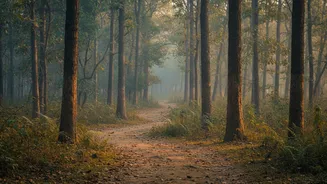
Imagine exploring a forest not under the harsh light of day, but in the quiet of the night, with lighting designed to mimic moonlight. This is the core promise of the Kukrail Night Safari. Inspired by world-renowned attractions in Singapore, the project
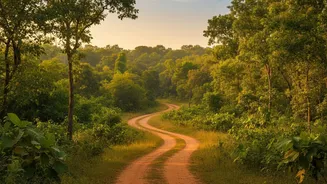
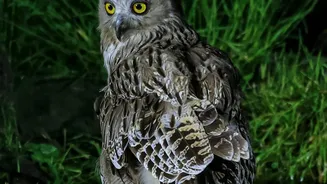
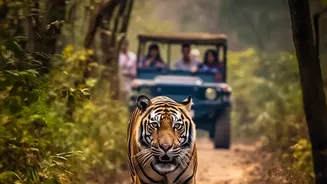
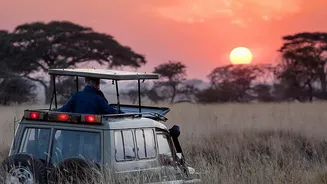
aims to create a space where visitors can observe animals that are most active after dark. For years, wildlife tourism in India has been a daytime affair. Lucknow's initiative, set within a sprawling 2,027-hectare forest area, seeks to change that. Visitors are expected to journey through themed zones in quiet, battery-operated vehicles, offering a chance to see species like tigers, leopards, and hyenas in a setting that more closely mirrors their natural behaviour. The goal is to provide an immersive experience that is both thrilling for visitors and respectful of the animals' habitats.
What You Might See
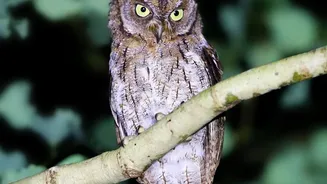
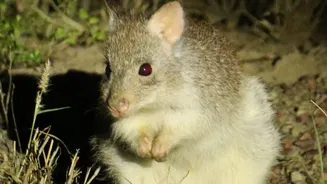
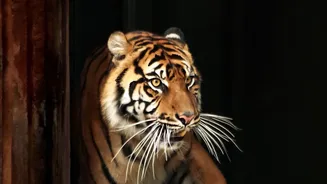
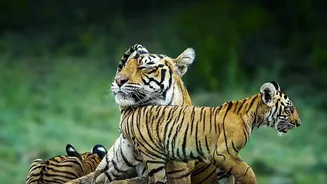
The safari plans to be a showcase of diverse fauna. The proposed species list includes iconic Indian animals such as Asiatic lions, Bengal tigers, leopards, and sloth bears. Beyond the large carnivores, the safari will also feature hyenas, flying squirrels, and gharials, for which the Kukrail area is already a well-known conservation site. The park's design incorporates different themed zones, such as Indian Wetland and Arid India, to create naturalistic habitats for its residents. Initial plans outline about 38 enclosures in the first phase, with a total of 54 species planned for the entire complex. The experience will not be limited to the safari ride; plans also include nature trails, forest walks, and visitor interpretation centres to promote wildlife awareness and education.
The Final Hurdle Cleared
The project, which has been in discussion for years, recently cleared its most significant obstacle. In mid-July 2026, the Supreme Court of India gave its final approval for the project to proceed. This decision came after extensive review by multiple bodies, including the Central Zoo Authority (CZA) and the Ministry of Environment, Forest and Climate Change. The court's nod was not without conditions. For instance, a proposal to relocate Lucknow's existing city zoo to Kukrail was rejected, and plans for a large adventure zone were scaled back to minimise ecological impact. Construction on the first phase is expected to take around two years, with officials aiming for a potential opening to the public around late 2028, after all administrative and construction work is complete.
A Balancing Act of Tourism and Conservation
While the project is celebrated as a major boost for tourism in Uttar Pradesh, it has not been without debate. The location within the Kukrail Reserve Forest, an ecologically sensitive area and a green lung for Lucknow, has raised concerns among environmentalists and citizens' groups. These groups have voiced worries about the impact of construction, increased human activity, and light pollution on the existing ecosystem, which is home to hundreds of native species. Proponents argue that the project is designed with sustainability in mind. The plan reportedly dedicates over 70% of the project area to green cover and includes efforts to replace invasive plant species with native ones. The Supreme Court has mandated strict compliance with environmental regulations and periodic monitoring to ensure the project adheres to conservation principles. The long-standing Gharial Rehabilitation Centre at Kukrail will also continue its important conservation work alongside the new development.