
The Hidden Dangers in Your Mop Bucket
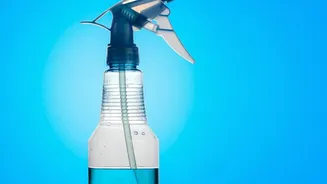
Many popular household cleaning products contain chemicals that are toxic to pets if ingested. Even diluted in mop water, these substances can cause significant harm. Key ingredients to be wary of include ammonia, chlorine (bleach), isopropyl alcohol,
and formaldehyde. Phenols, often found in disinfectants with "-sol" in the name like Lysol or Pine-Sol, are particularly dangerous, especially for cats, whose livers cannot metabolize them effectively. Exposure can occur when a pet drinks from the bucket, licks a freshly mopped floor, or even cleans their paws after walking on a surface that hasn't fully dried.
Recognizing the Signs of Poisoning
If a pet ingests contaminated water, the symptoms can range from mild to severe. Initial signs often include drooling, pawing at the mouth, vomiting, or diarrhea. You might also notice lethargy, a refusal to eat, or signs of abdominal pain. In cases of more serious poisoning from chemicals like phenols or bleach, symptoms can escalate to disorientation, trouble breathing, chemical burns in the mouth and esophagus, seizures, or even coma. If you notice any of these signs after cleaning, it's crucial to seek veterinary help immediately.
What About 'Natural' or 'Eco-Friendly' Cleaners?
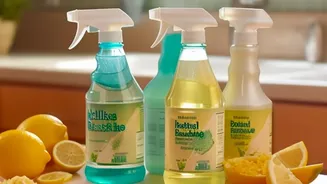
A common misconception is that labels like "plant-based" or "eco-friendly" automatically mean a product is safe for pets. This is not always true. Many natural cleaners use essential oils for fragrance and cleaning power. While they may smell pleasant, oils such as tea tree, pine, citrus, and eucalyptus are toxic to pets, especially cats. Even vinegar, a popular DIY cleaning agent, can cause stomach upset and mouth irritation if ingested undiluted. Always read the full ingredient list, not just the marketing claims on the front of the bottle.
Safe Disposal: A Simple and Crucial Step
The safest and most recommended place to dispose of used cleaning water is down the toilet. The toilet is connected to a sanitary sewer system designed to handle and treat wastewater containing chemicals. Pouring mop water down a utility sink is also a good option. Avoid dumping it in the garden or down a storm drain. Cleaning chemicals can harm plants and wildlife, and storm drains often lead directly to local creeks and rivers without any treatment. If you only used a biodegradable, non-toxic cleaner, pouring it on a lawn may be an option, but the toilet remains the most reliable choice for products containing any harsh chemicals.
Choosing Truly Pet-Safe Alternatives
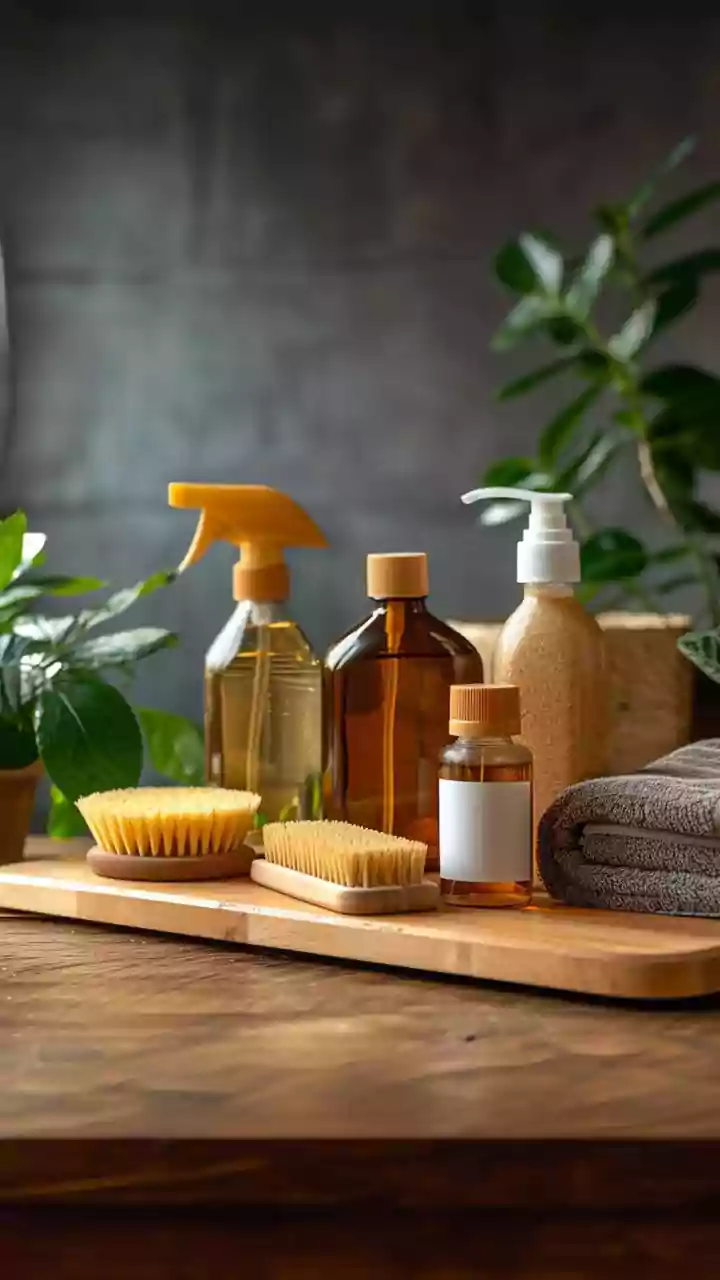
The best way to protect your pet is to use cleaning products that are specifically formulated to be pet-safe. Look for products that are labeled non-toxic and biodegradable, and check that they don't contain common toxins like phenols, bleach, or ammonia. Enzymatic cleaners are excellent for tackling pet messes, as they use beneficial bacteria and enzymes to break down organic stains and odors without harsh chemicals. For a DIY approach, a simple solution of water and a small amount of castile soap can be effective for many surfaces, or a heavily diluted vinegar solution can be used with care.