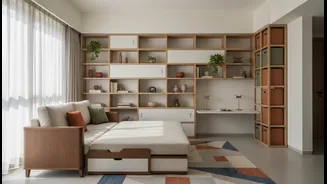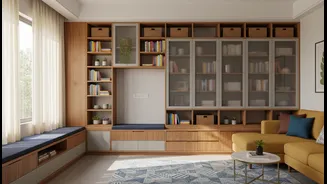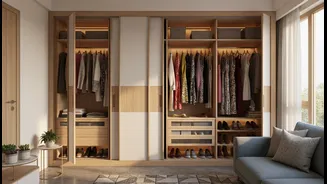




The Allure of Fluted Glass
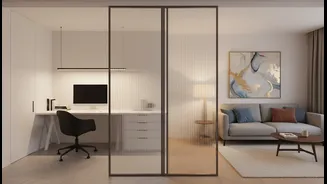
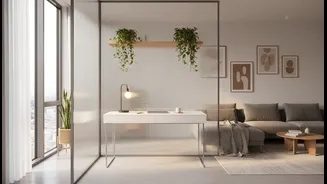
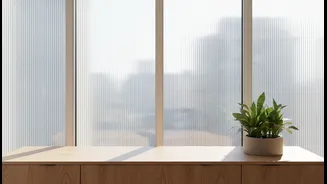
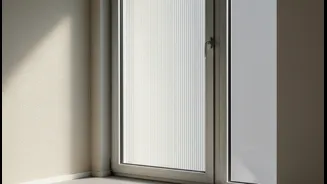
Fluted glass, also known as ribbed or reeded glass, features distinctive vertical grooves. This texture is its superpower in small homes. It brilliantly diffuses light, creating a soft, inviting glow while cleverly obscuring direct views. This provides
a sense of privacy without the need for solid walls, which can make compact spaces feel even smaller. It’s a popular choice for everything from partitions and room dividers to shower screens and cabinet doors, adding a touch of modern elegance and visual interest. The vertical lines can also create an illusion of height, making ceilings feel higher than they are.
Safety First: Not All Glass Is Equal
When using large panes of glass in homes, safety is paramount. Standard annealed glass shatters into large, dangerous shards. For home applications, you should always opt for safety glass. In India, the Bureau of Indian Standards (BIS) has specifications for safety glass, such as IS 2553, to ensure it meets quality and safety requirements. There are two main types to consider: Tempered Glass is heat-treated to be about four to five times stronger than regular glass. When it breaks, it shatters into small, blunt, pebble-like pieces, significantly reducing the risk of injury. Laminated Glass consists of two or more sheets of glass bonded together with a plastic (PVB) interlayer. If it breaks, the glass fragments stick to the interlayer, preventing them from scattering. This type also offers excellent sound insulation.
Frame Choice 1: Sleek and Modern Aluminium
Aluminium frames are a popular choice for modern and minimalist interiors. Their primary advantage is strength, which allows for very slim profiles. This means more glass and less frame, maximising your view and light. Aluminium is lightweight, durable, and relatively low-maintenance. It's also resistant to rust and corrosion, especially if powder-coated, making it suitable for most Indian climates, though high-quality uPVC is often recommended for coastal areas. While basic aluminium can transfer heat, modern 'thermal break' systems are available to improve insulation, though these come at a higher cost.
Frame Choice 2: Low-Maintenance uPVC
Unplasticised Polyvinyl Chloride, or uPVC, is an excellent all-rounder, particularly for those on a budget. Its key strength is superior thermal and sound insulation, thanks to its multi-chambered design. This makes it highly energy-efficient, helping to keep homes cooler in the summer and warmer in the winter. uPVC is highly durable, weather-resistant, and requires very little maintenance—a simple wipe-down is often all that's needed. However, the frames tend to be bulkier than aluminium, which might not be ideal for every aesthetic. While standard uPVC comes in white, wood-grain finishes are also available.
Frame Choice 3: Classic and Warm Wood
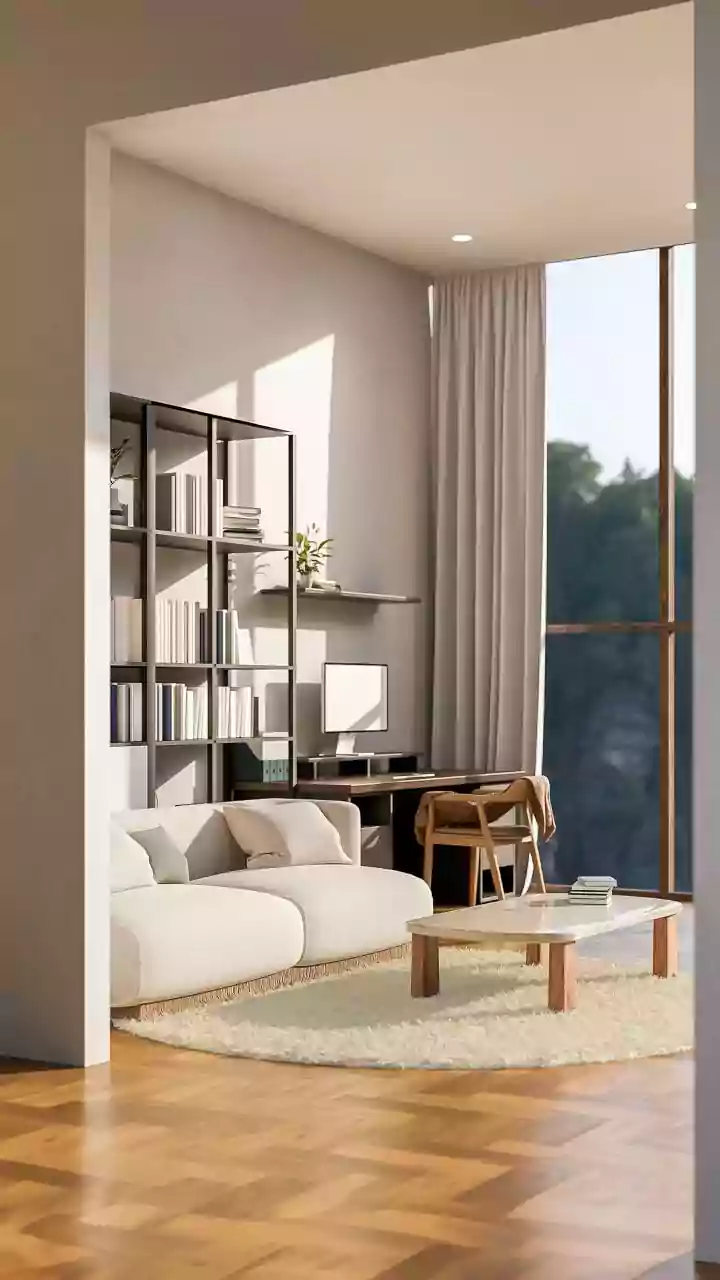
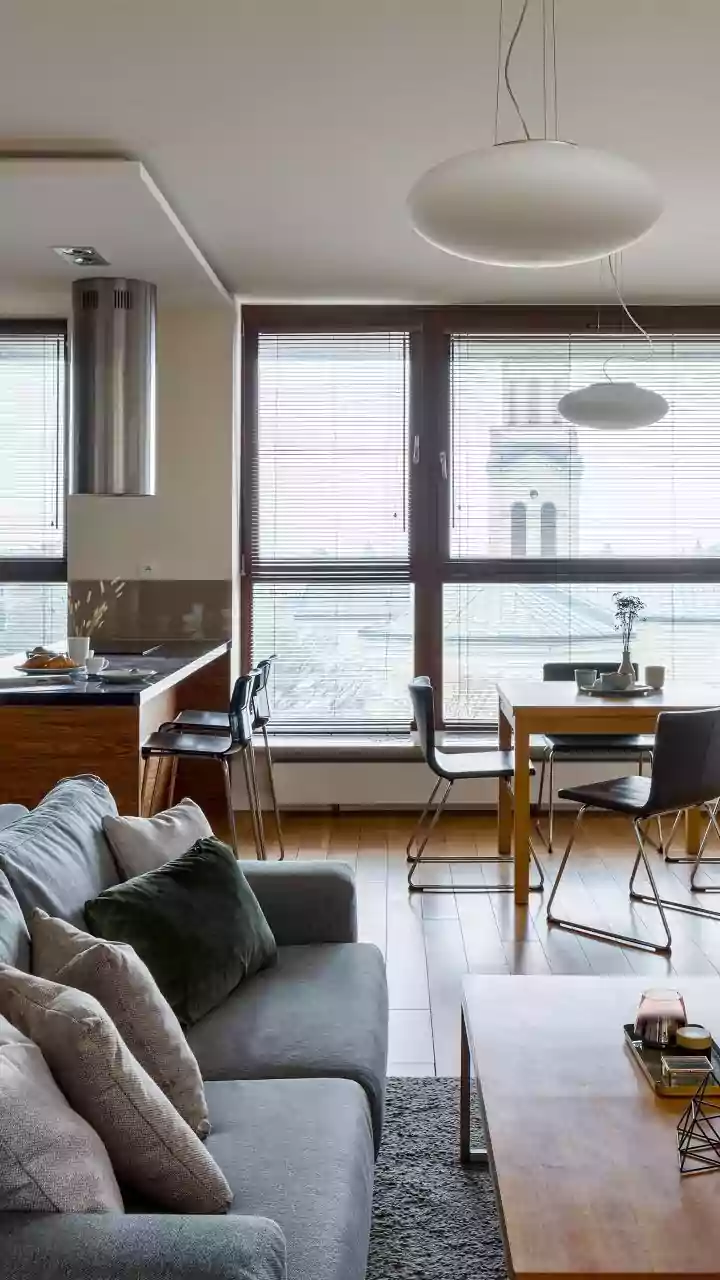
Wooden frames offer a timeless, classic aesthetic that adds natural warmth and charm to any space. Wood is a natural insulator and performs well in blocking out noise. However, it comes with significant drawbacks, especially in the varied Indian climate. Wood is susceptible to termites and moisture damage, which can lead to warping and rotting if not properly treated and maintained. It requires regular polishing or painting to keep it in good condition, making it the most high-maintenance option. While beautiful, it is often more expensive than uPVC and basic aluminium.
Frame Choice 4: Strong and Industrial Steel
For an industrial-chic look with the slimmest possible frames, steel is an excellent but premium choice. Steel is incredibly strong, allowing it to support large glass panels with very minimal framing, creating a clean and elegant architectural statement. It is highly durable and can last for decades. The main downsides are its high cost and weight, which can make installation more complex. Steel is also a natural conductor of heat, so it's less energy-efficient for exterior use unless you invest in thermally broken frames. It can also be prone to rust if not properly treated and finished.