


The Foundation: Steady Footwork in Hiking
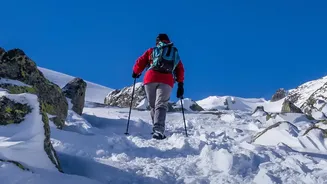
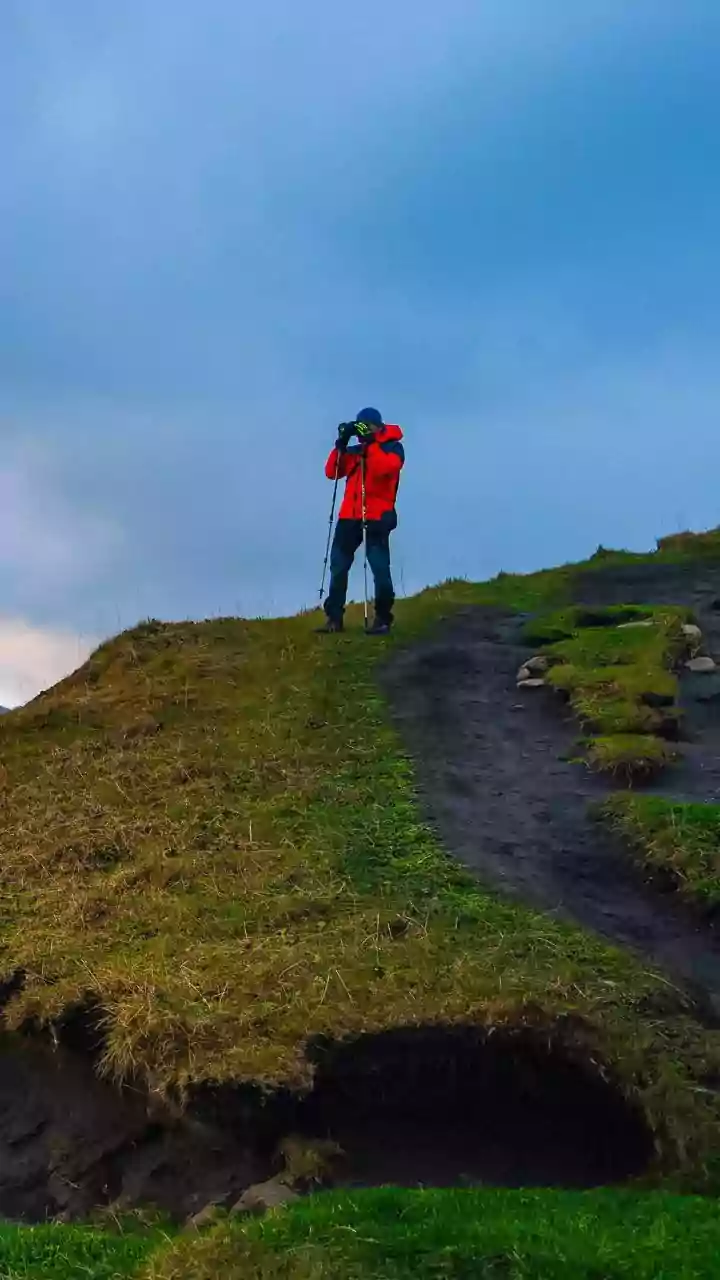
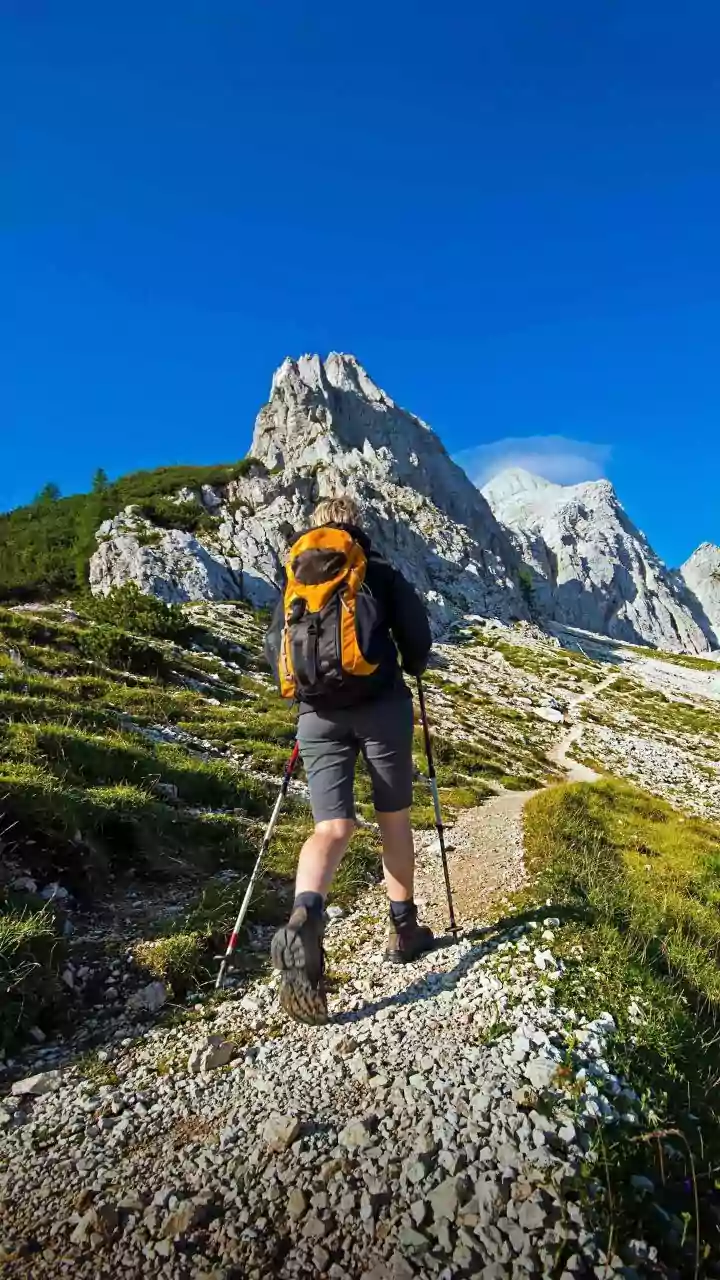
Hiking is built on the idea of steady, deliberate progress. When you're on a trail, your body is in constant conversation with the ground beneath you. Uneven surfaces, loose gravel, and unexpected inclines require your brain to constantly process information
and make micro-adjustments to keep you upright. This is where steady footwork shines. It’s about placing your feet carefully, maintaining a solid centre of gravity, and using your core and leg muscles as stabilisers. Think of it as a controlled, responsive form of walking where each step is a calculated decision to ensure stability before moving forward. This is especially true on descents, where your muscles act like brakes to control your momentum and prevent slips or falls. The goal is to maintain a consistent rhythm and expend energy efficiently over long distances.
The Flow: Dynamic Movement in Skateboarding
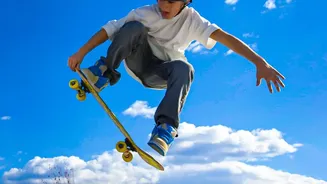
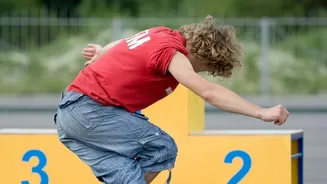
Skateboarding, in contrast, is the art of dynamic movement. It’s about creating and managing momentum on a moving platform. While a hiker seeks stability, a skateboarder thrives on flow, making quick, continuous adjustments to stay balanced while in motion. Pushing, carving, and turning are all dynamic actions that engage multiple muscle groups simultaneously. Even the most basic tricks, like an ollie, require an explosive, coordinated burst of energy, popping the tail and flicking the board to get airborne. This kind of movement isn't about static stability but about fluid control. Skaters develop exceptional balance and quick reflexes, learning to shift their weight instinctively to navigate obstacles, transition between surfaces, and absorb the impact of landing. It’s a constant dance between gravity and momentum.
Where Steady Meets Skate
While skateboarding appears purely dynamic, steady footwork is the hidden ingredient for success. Landing a trick is a moment of intense stability. After flipping or spinning the board, a skater must instantly find a solid stance, absorb the impact through bent knees, and regain control. This requires the same kind of core strength and body awareness a hiker uses to navigate a rocky patch. Grinding a rail or a ledge also demands incredible precision and steadiness. The skater must lock their trucks onto the obstacle and hold their balance, making minute adjustments to maintain the slide without falling. In these moments, the explosive energy gives way to a controlled, steady poise. Without this foundational stability, the dynamic flair of skateboarding would be impossible to control.
Bringing Dynamics to the Trail
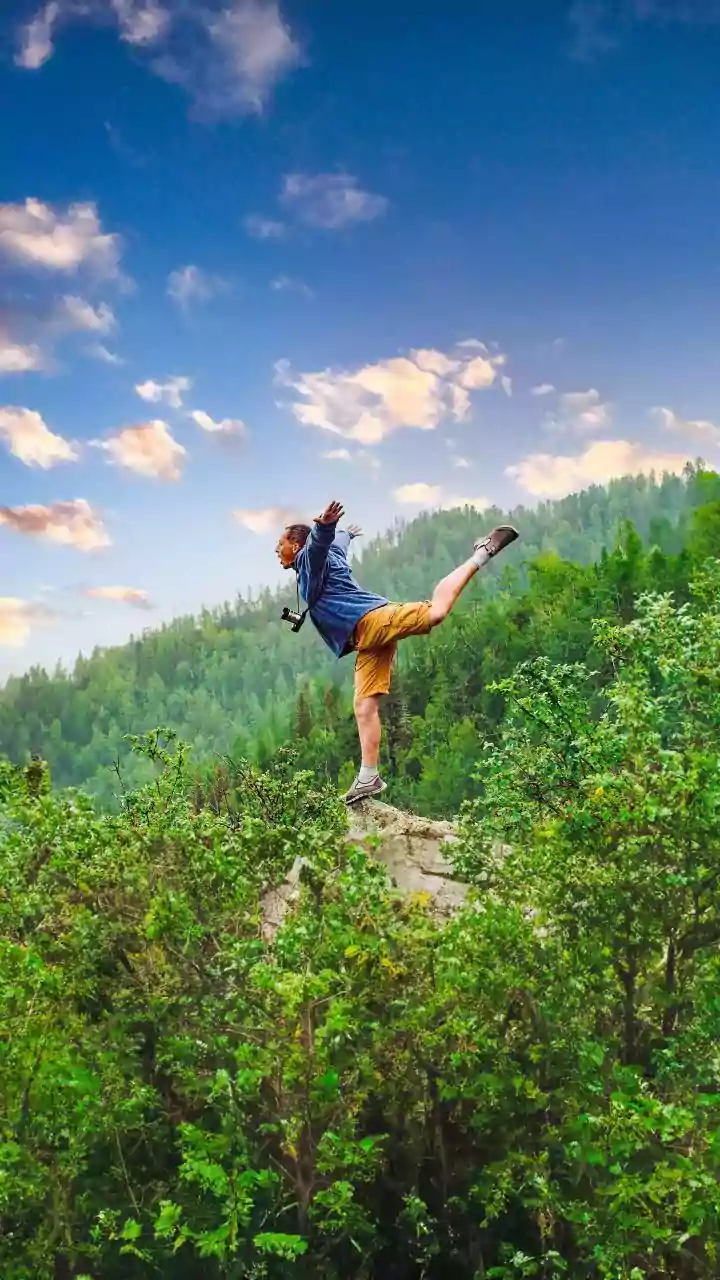
Conversely, great hiking isn't just about slow, steady plodding. Dynamic movement is crucial, especially on technical terrain. Scrambling up a steep, rocky section requires explosive power from the legs and a dynamic shift in body weight to pull yourself upward. Leaping over a creek or quickly side-stepping a loose rock involves a burst of agility more akin to skateboarding than walking. Even on a simple trail, your body makes constant, dynamic adjustments to changes in elevation and surface. Preparing the body with dynamic stretches, like leg swings and lunges, is often recommended over static stretching because it activates the muscles and nervous system for the varied demands of the trail. This preparation helps the body respond quickly and efficiently, reducing stiffness and improving overall movement quality.
A Unified Approach to Movement
Ultimately, hiking and skateboarding are not opposing disciplines but different expressions of the same athletic principles. Both activities build incredible proprioception—your body's awareness of its position in space. A hiker develops this by reacting to the unpredictable ground, while a skater develops it by manipulating a predictable board in an unpredictable environment. The skills are transferable. A skater's enhanced balance and core control can translate to more confidence on technical trails. Likewise, a hiker's leg strength and endurance can be a huge asset during a long skateboarding session. Both demand mental focus, forcing you to read your environment and anticipate your next move. They teach you to trust your intuition and build confidence through physical challenges.