






From Pet Ownership to 'Pet Parenting'
Across urban India, a profound cultural change known as 'pet humanisation' is taking root. A recent report highlighted that a significant majority of Indian owners, about 57%, now consider their pets to be full family members. This emotional evolution
from simply owning a pet to becoming a 'pet parent' is the single biggest driver behind the boom in the premium pet care market. As pets take on the role of children or beloved companions, especially in nuclear families, the investment in their health and happiness naturally increases. This is particularly true for Millennial and Gen Z owners, who are often deeply invested in their pet's long-term well-being.
The Food Bowl Gets an Upgrade
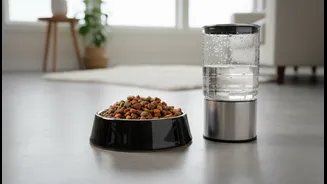
For many new pet parents, the journey into premium care starts with what goes into the food bowl. The days of feeding pets table scraps like roti and rice are giving way to a more scientific approach to feeding. The Indian pet food market is projected to grow significantly, with some estimates suggesting a climb from around USD 0.85 billion in 2026 to USD 1.6 billion by 2032. This growth is fuelled by a shift towards scientifically formulated, packaged foods that promise balanced nutrition. Premium and super-premium segments have seen growth of over 20% annually, far outpacing the rest of the market, as owners seek out products they believe will lead to a longer, healthier life for their companion.
The Rise of the Educated Pet Parent
This shift isn’t just about spending more money; it's about making more informed choices. Today's pet owners are digitally savvy and well-educated, using the internet to research ingredients and understand their pet's dietary needs. Veterinarians remain the most trusted source for pet care decisions, and their recommendations are increasingly guiding owners toward specialised diets. There's a growing demand for functional foods that address specific health concerns like joint support, skin and coat health, and immunity. This has led to a surge in products like grain-free meals, which saw 152% year-on-year growth on some platforms, and an increased interest in fresh-cooked pet food startups.
A Mindful Approach: Quality Over Quantity
Crucially, this investment in better nutrition is coupled with a growing awareness of a serious, concurrent health crisis: pet obesity. Veterinarians across India's cities report a surge in overweight pets, with some studies suggesting nearly 35-40% of pet dogs in major cities are overweight or obese. This is often caused by a combination of limited exercise, calorie-dense foods, and the habit of giving frequent human food treats. This awareness is creating a more mindful approach to feeding. Pet parents are learning that love isn't measured in extra food and that a chubby pet is not necessarily a healthy one. The focus is shifting to providing the right nutrients in the right portions.
The Dangers of an Extra Bite
Experts warn that pet obesity is a clinical issue, not a cosmetic one. It is a preventable health problem that can shorten a dog's lifespan by up to two and a half years and significantly increases the risk of serious conditions like diabetes, arthritis, heart disease, and pancreatitis. In cats, obesity can create severe insulin resistance, and weight loss can often lead to remission of diabetes. Veterinarians stress that safe weight loss is a gradual process, and the key is a consistent, calorie-controlled diet, often using specially formulated weight-loss foods that are high in protein and fibre to help pets feel full without excess calories. The message is clear: avoiding overfeeding is just as important as the quality of the food itself.