


Cleopatra: The Legend of Milk and Honey
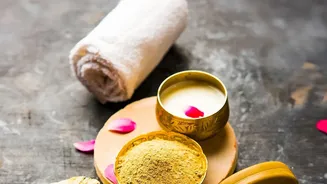
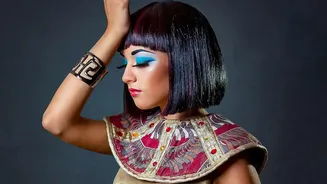
No discussion of royal beauty is complete without mentioning Cleopatra. The last pharaoh of Egypt was legendary not just for her political prowess but for her captivating allure. Her most famous ritual was bathing in sour donkey milk and honey. While
it sounds extravagant, there was science behind it: the lactic acid in the sour milk is a natural exfoliant that dissolves dead skin cells, while honey is a natural humectant and antibacterial agent. Her skincare was also a form of power. The iconic kohl eyeliner, made from ground galena, wasn't just for dramatic effect; it was believed to have medicinal properties that protected the eyes from infection and the sun's glare, and even to ward off the evil eye. This combination of natural ingredients and powerful symbolism cemented her status as a beauty icon for millennia.
Queen Elizabeth I: The Dangerous Pursuit of Pale
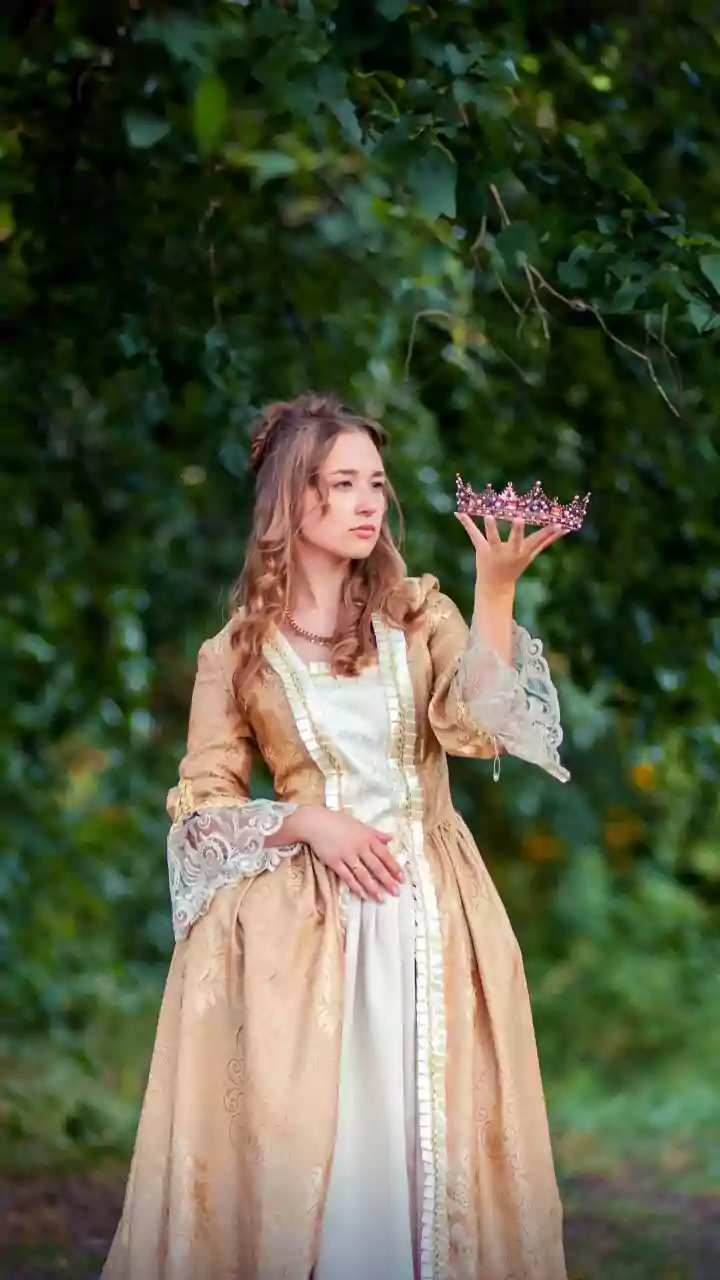
In 16th-century England, beauty was directly linked to status and purity. For Queen Elizabeth I, a pale, flawless complexion was a symbol of nobility and her image as the 'Virgin Queen'. It signified that she did not perform manual labour in the sun. To achieve this look, she used a cosmetic called Venetian ceruse, a thick paste made from white lead and vinegar. This gave her skin a porcelain-like finish, covering the smallpox scars she acquired at age 29. However, this pursuit of perfection was deadly. The lead was absorbed through her skin, causing gradual poisoning that led to skin damage, hair loss, and memory issues. To hide the damage, she reportedly applied thicker and thicker layers of the makeup. For her lips, she used a pigment made from cinnabar, which contains mercury. This toxic combination of lead and mercury likely contributed to her deteriorating health in her later years.
Mughal Queens: The Art of Natural Luxury
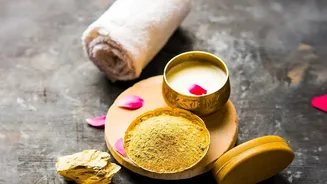
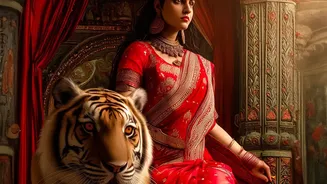
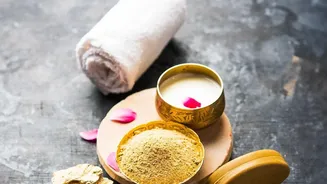
The women of the Mughal Empire were renowned for their elaborate and luxurious beauty rituals that blended Persian and Indian traditions. Empress Nur Jahan, wife of Emperor Jahangir, was a powerful co-sovereign and a trendsetter. She is famously credited with discovering rose oil (attar) when she noticed a fragrant oily layer on the surface of her rose petal bath. Mughal queens used natural ingredients like saffron mixed with milk for a radiant glow, and Multani Mitti (Fuller's earth) clay masks to absorb excess oil and maintain an even complexion. Hair care was also essential, involving nourishing oils infused with amla (Indian gooseberry) and hibiscus to promote growth and shine. Instead of harsh lipsticks, women often chewed on paan (betel leaves) to give their lips a natural red tint. These rituals were holistic, focusing on enhancing natural beauty with the riches of nature.
Maharani Gayatri Devi: Effortless Indian Elegance
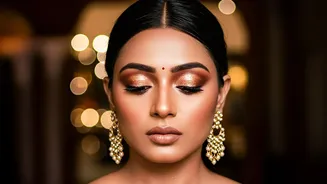
Considered one of the world's most beautiful women, Maharani Gayatri Devi of Jaipur epitomised a minimalist and natural approach to beauty. Her look was understated yet radiant, often consisting of kohl-rimmed eyes, a soft lipstick, and a traditional bindi. She championed natural Indian remedies in her routine. In her memoir, she mentioned rubbing turmeric paste on her skin for its healing and brightening properties and bathing in perfumed oils. She also drank fresh Amla juice, rich in Vitamin C, to maintain her skin's firmness and glow. For her hair, she used natural henna not only as a dye and conditioner but also for its cooling properties. Her philosophy was one of effortless grace, proving that a simple, natural routine could be the height of sophistication.
Modern Royals: A Focus on Wellness and Subtle Care
Today's royals, like Catherine, Princess of Wales, favour a more modern and wellness-focused approach. While their specific routines are kept private, some preferred products and treatments have been reported over the years. The emphasis is on healthy, glowing skin rather than heavy makeup. It's been reported that Kate Middleton uses rosehip oil, a product known for its hydrating properties and high levels of fatty acids, to maintain her complexion. During her pregnancy with Princess Charlotte, she was said to use it to keep her skin supple. Other reported favourites include a 'natural botox' gel called Biotulin, which she apparently recommended to Michelle Obama. Modern royal beauty is less about dramatic statements and more about investing in high-quality skincare that promotes long-term skin health, reflecting a contemporary understanding that true radiance comes from within.