







The Allure of Kitchen Skincare
The trend of using food scraps in beauty routines is easy to understand. It feels natural, sustainable, and budget-friendly. With social media platforms buzzing with DIY hacks, rubbing a banana peel on your face to reduce wrinkles or using an orange peel for a 'natural
glow' seems like a harmless, accessible secret to better skin. The logic is that if these fruits are full of vitamins and antioxidants when we eat them, surely their peels must offer benefits when applied topically. This kitchen-counter chemistry promises the goodness of nature without the price tag of high-end serums, making it a tempting option for the eco-conscious and frugal alike.
The Claim: Banana Peels for Hydration and Wrinkles
Viral videos often claim that banana peels are 'nature's Botox', suggesting they can reduce fine lines, hydrate skin, and soothe inflammation. Advocates point to the nutrients found in banana peels, such as potassium and vitamins A, B, and C, as the source of these anti-aging and moisturizing properties. Some proponents suggest rubbing the inside of the peel directly on the face, while others create DIY masks by scraping the white fibres from the peel and mixing them with aloe or a moisturizer. The promise is a temporary tightening and brightening effect, making skin feel smoother and look more refreshed.
The Reality: What Dermatologists Say About Banana Peels
While banana peels do contain beneficial compounds like antioxidants and tannins, dermatologists are skeptical about their effectiveness when applied raw. There is no scientific research to definitively prove these claims. Experts note that while the tannins might provide a temporary tightening feeling, the effect is short-lived. Furthermore, the beneficial molecules in the peel are not formulated to penetrate the skin barrier effectively, unlike those in lab-tested skincare products. While unlikely to cause significant harm for most people, some dermatologists warn that rubbing the peel could be abrasive or drying. The consensus is that you are better off eating the banana and using professionally formulated products for reliable results.
The Claim: Orange Peels for a Vitamin C Boost
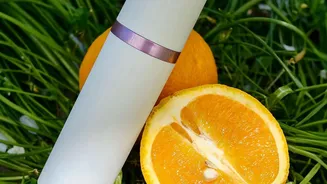
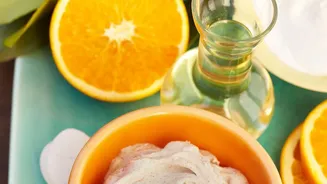
Orange peels are often associated with skin brightening, thanks to their vitamin C content. DIY recipes may involve using fresh peels or, more commonly, a powder made from dried peels mixed into a paste. The idea is that the vitamin C and other antioxidants will help even out skin tone, fight free radical damage, and provide a gentle exfoliation. In theory, this sounds like a great way to achieve a radiant complexion and even manage concerns like dark spots.
The Reality: The Serious Risks of Citrus on Skin
This is where DIY skincare can become dangerous. While orange peels contain beneficial compounds, applying them directly to the skin comes with significant risks. Citrus peels contain chemicals called furocoumarins, which can cause a severe skin reaction known as phytophotodermatitis when exposed to sunlight. This isn't a normal sunburn; it's a chemical burn that can result in painful blisters, redness, and long-lasting dark spots or hyperpigmentation. The reaction can occur even with minimal sun exposure after the peel has been on your skin. Furthermore, the acidic nature of citrus can irritate the skin, disrupt its natural barrier, and cause sensitivity, especially for those with delicate or reactive skin.
Safer Alternatives for Fruity Benefits
Instead of raiding the fruit bowl for your skincare routine, experts recommend safer, more effective methods. If you want the antioxidant benefits of these fruits, look for skincare products that contain stabilized extracts of banana or vitamin C. These formulations are designed to be safe, effective, and able to penetrate the skin properly. For those committed to a DIY approach, general advice includes always doing a patch test, avoiding harsh ingredients like citrus juice or abrasive scrubs, and understanding that homemade concoctions lack preservatives, making them a breeding ground for bacteria. A gentle, store-bought cleanser and a reliable moisturizer are often a much safer bet than experimenting with kitchen scraps that can lead to irritation or lasting damage.