


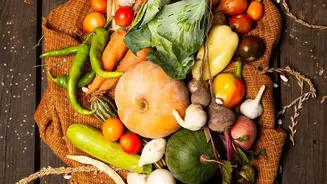
As November arrives, so does a wonderful bounty of fresh, local vegetables. Eating seasonally is not only great for your health and wallet, but it also means enjoying produce at its peak flavour. Here’s how to embrace the season's best.
The Power of Pumpkin (Kaddu)
Often associated
with festive seasons, pumpkin is a versatile and nutrient-dense vegetable that shines in November. It's packed with vitamins, minerals, and antioxidants, particularly beta-carotene, which the body converts into Vitamin A. This is essential for good vision and a strong immune system. Don't just save it for special occasions. For a simple weeknight meal, you can make a quick 'kaddu ki sabzi' by cubing and sautéing it with mustard seeds, turmeric, and a pinch of asafoetida. It can also be pureed into a warming soup with ginger and a touch of cream, or even added to your morning routine by grating it into dosa batter for a nutritious twist.
The Goodness of Greens (Palak)
Spinach, or palak, is abundantly available and at its freshest during the cooler months. This leafy green is an excellent source of iron, magnesium, and numerous vitamins. Its rich iron content is vital for maintaining energy levels, making it a perfect addition to your diet to combat the sluggishness that can come with changing seasons. Beyond the classic 'palak paneer', you can easily incorporate spinach into everyday meals. Try wilting a large handful into your morning eggs or omelette. For a quick and healthy lunch, blend it into a 'dal' for a nutrient-packed 'dal palak'. You can also finely chop it and add it to the dough for parathas or theplas, making your daily bread extra wholesome.
The Classic Carrot (Gajar)
November brings sweet, crisp carrots to local markets. Famous for being rich in beta-carotene and Vitamin A, carrots are fantastic for eye health and glowing skin. While 'gajar ka halwa' is a beloved winter treat, carrots are incredibly versatile for daily cooking. For a simple side dish, you can make 'gajar matar ki sabzi', a quick stir-fry with peas and light spices. Shredded carrots can be added to salads for extra crunch and sweetness or mixed into raita for a refreshing accompaniment. They are also a perfect addition to a simple vegetable pulao or fried rice, adding colour, flavour, and nutrition.
Versatile Cauliflower (Gobi)
Cauliflower is a star of the winter vegetable basket in India. As a cruciferous vegetable, it is rich in vitamins C and K and contains compounds that help reduce inflammation. Its mild flavour allows it to absorb spices beautifully, making it a favourite in Indian kitchens. A simple 'aloo gobi' is a comforting and staple dish in many homes. For a healthier alternative to fried snacks, you can try making 'tandoori gobi' by marinating florets in yogurt and spices before baking or air-frying them. You can also grate cauliflower to make a low_carb alternative to rice, perfect for a light yet filling meal.
The Comfort of Sweet Potato (Shakarkandi)
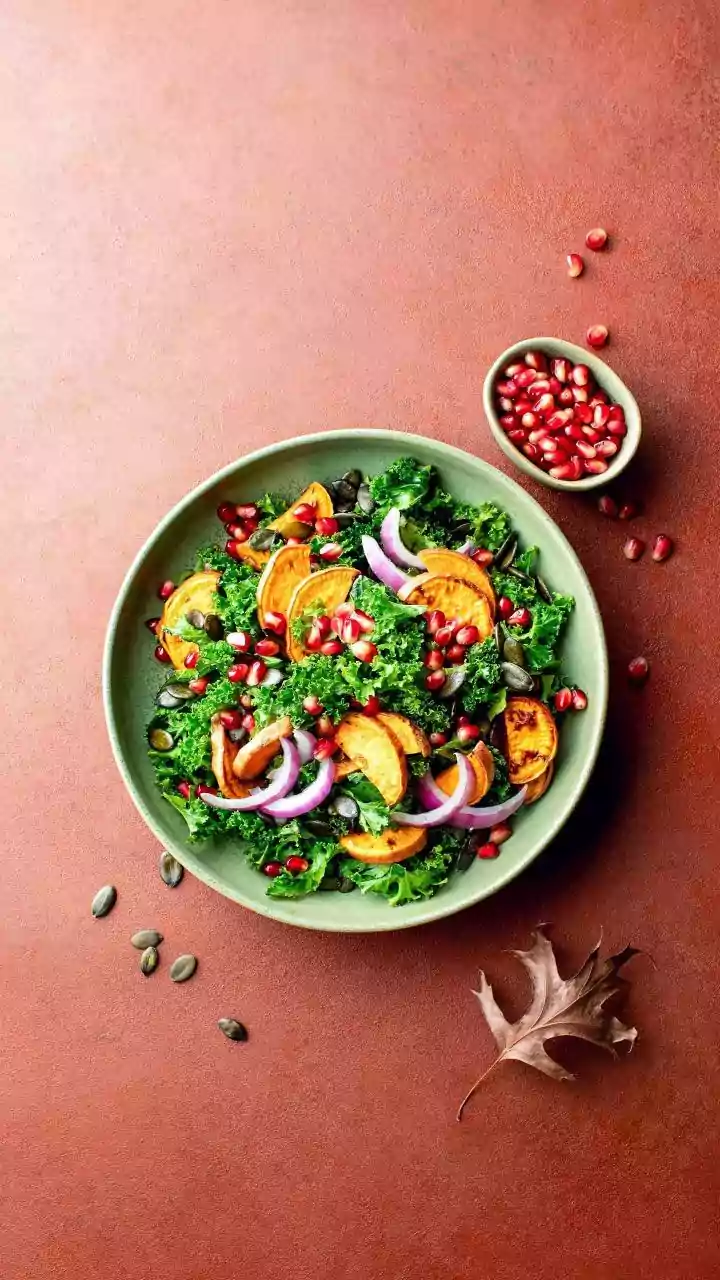
Sweet potato, or shakarkandi, is a wonderfully comforting and nutritious root vegetable that is perfect for November. It is a great source of fibre, vitamins, and minerals. Though often enjoyed as a street_food snack, roasted and topped with chaat masala, it can be easily brought into your daily cooking. For a simple and hearty dish, you can prepare a sweet potato stir_fry with onions, curry leaves, and spices to be served with rice or rotis. Cubed and roasted sweet potatoes can be added to salads or quinoa bowls, and mashed sweet potato makes a delicious and healthy filling for cutlets or tikkis.