





Why Eating Seasonally Matters
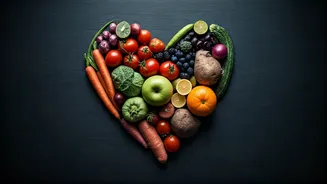
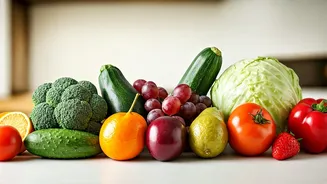
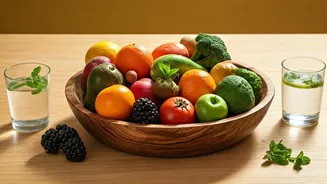
Before we dive into the delicious specifics, it’s worth understanding why ‘seasonal’ is such a powerful word in nutrition. When fruits and vegetables are harvested at their natural peak, they are typically more nutrient-dense, flavourful, and affordable.
They haven’t spent weeks in cold storage or been shipped across continents, which can degrade vitamins and antioxidants. For heart health, this is crucial. Key nutrients like potassium (for blood pressure control), fibre (for cholesterol management), and antioxidants (to fight inflammation) are most potent in fresh, seasonal foods. Aligning your diet with India’s seasons is an intuitive way to ensure your body gets the best of what nature has to offer, right when it needs it.
Summer's Heart-Healthy Heroes
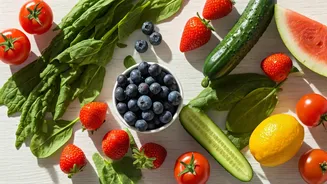
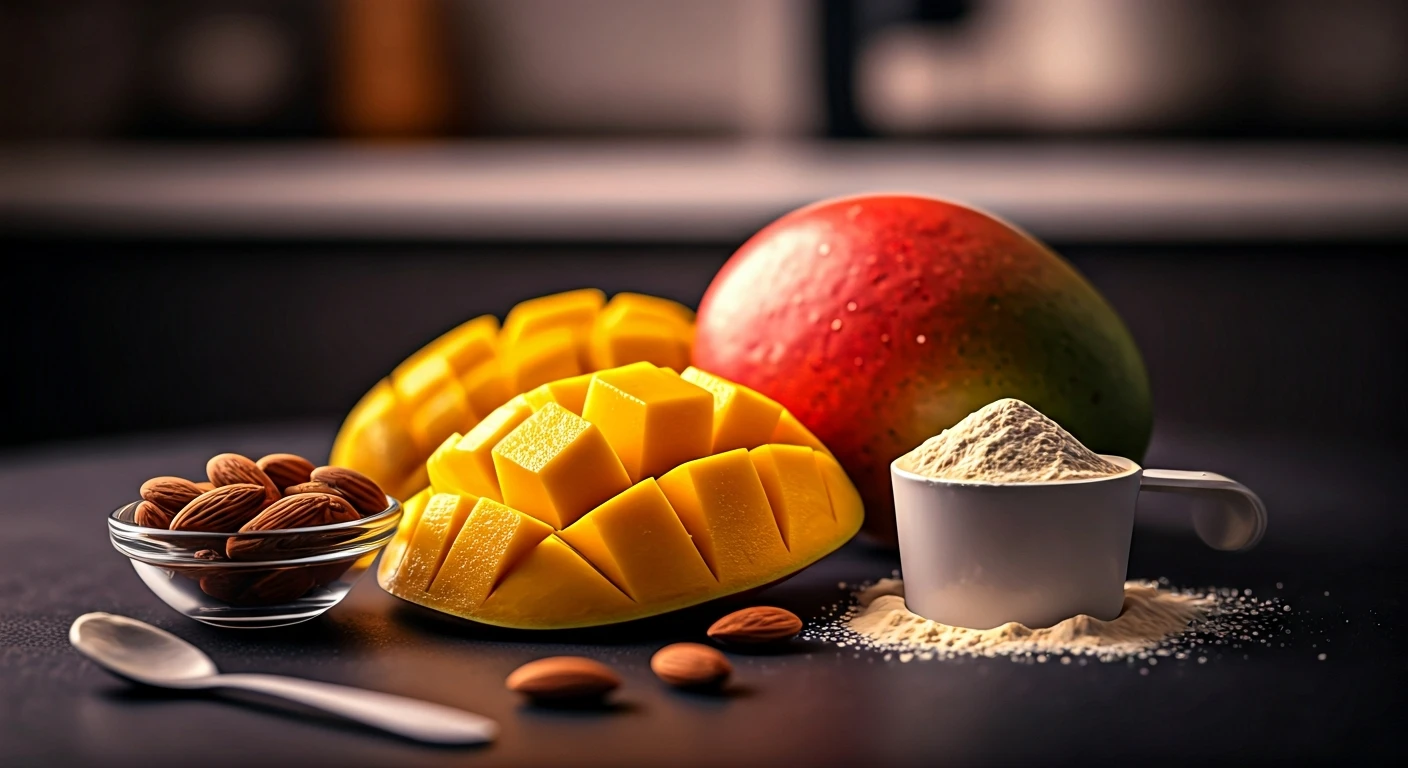
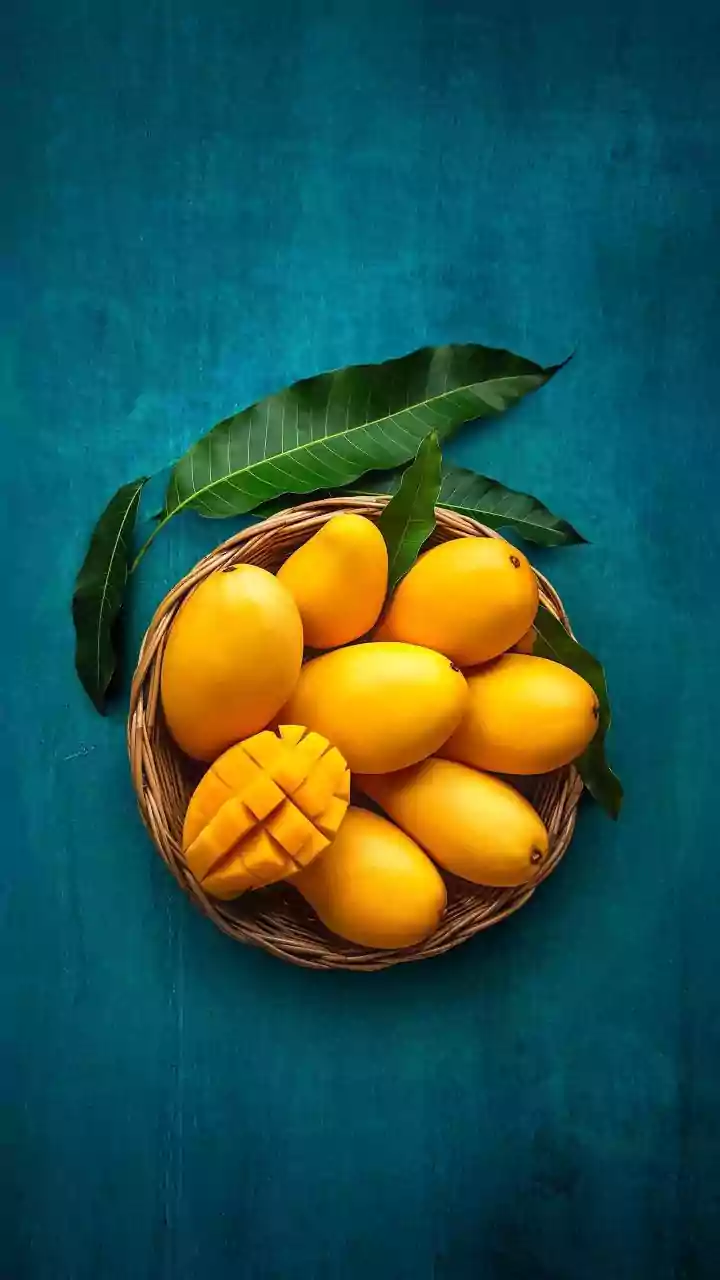
As the temperatures soar, nature provides us with foods that are hydrating and rich in protective compounds. Watermelon (Tarbooz): More than just a refreshing treat, watermelon is a fantastic source of lycopene, a powerful antioxidant linked to lower blood pressure and reduced stiffness in arteries. It’s also rich in citrulline, an amino acid that helps the body produce nitric oxide, which relaxes blood vessels and improves circulation. Mango (Aam): The king of fruits is a good source of both fibre and potassium. Fibre aids in lowering cholesterol levels, while potassium helps counteract the effects of sodium, playing a vital role in maintaining healthy blood pressure. Bottle Gourd (Lauki): This humble vegetable is incredibly hydrating and low in calories. It’s packed with soluble and insoluble fibre, which helps in managing cholesterol and ensuring smooth digestive function, an often overlooked aspect of overall cardiovascular wellness.
Monsoon Marvels for Your Arteries
The rainy season brings a bounty of green, leafy vegetables and unique fruits that are perfect for strengthening your heart. Jamun (Indian Blackberry): This deep purple fruit is a treasure trove of antioxidants, particularly anthocyanins, which give it its rich colour. These compounds are known to fight oxidative stress and inflammation, two key contributors to heart disease. Jamun is also believed to improve the flexibility of blood vessels. Spinach (Palak): A true superfood, spinach is loaded with nitrates, which are converted into nitric oxide in the body, helping to dilate arteries and lower blood pressure. It's also an excellent source of magnesium, a mineral essential for maintaining a steady heartbeat. Sweet Potato (Shakarkandi): Rich in fibre and potassium, sweet potatoes are a fantastic heart-friendly carbohydrate. Their high potassium content helps balance sodium levels, and their fibre contributes to lower LDL ('bad') cholesterol.
Winter Winners for Cardiovascular Wellness
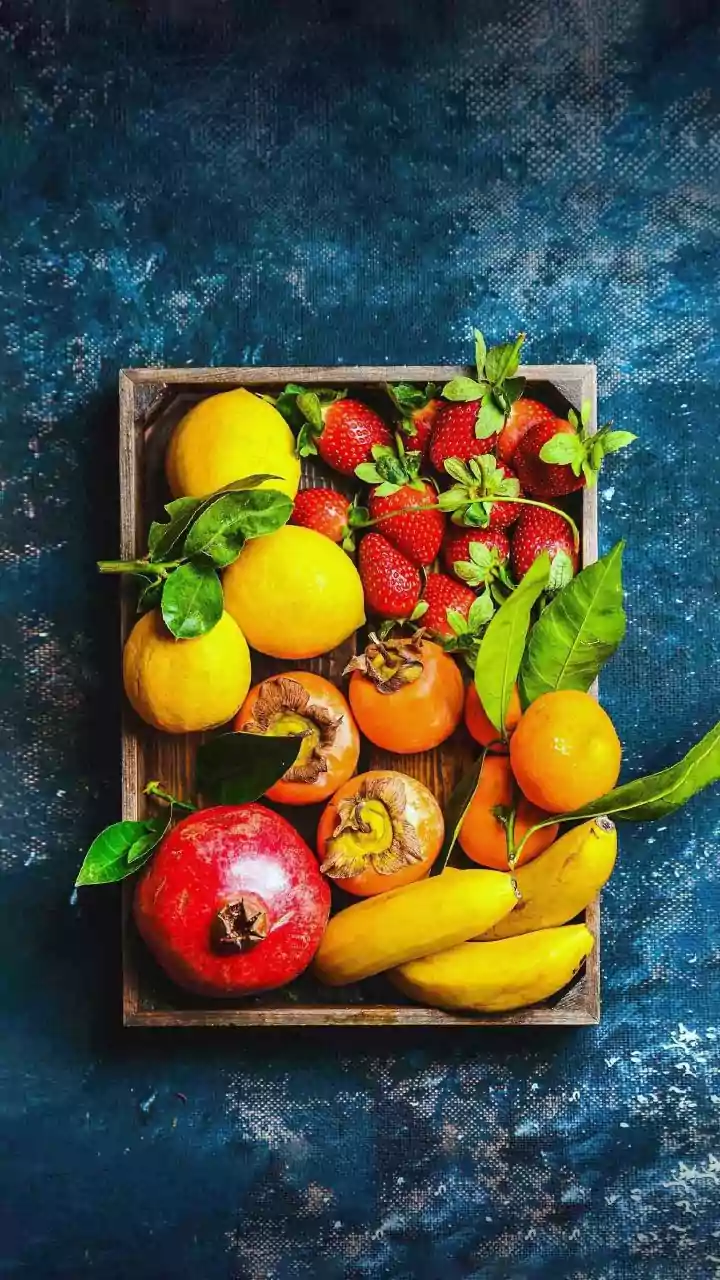
Winter brings hearty, warming produce that provides the nutrients needed to keep your heart robust during the colder months. Carrots (Gajar): Famous for their beta-carotene content, carrots are also a good source of potassium and fibre. The antioxidants in carrots help protect the cardiovascular system from oxidative damage, while the potassium helps regulate blood pressure. Oranges (Santra): A classic winter fruit, oranges are celebrated for their Vitamin C, but their benefits for the heart go further. They contain flavonoids like hesperidin, which has been shown to have a positive effect on blood pressure and arterial function. The soluble fibre pectin also helps keep cholesterol in check. Beetroot (Chukandar): Like spinach, beetroot is a powerhouse of dietary nitrates. Consuming beetroot or its juice can lead to a significant, albeit temporary, drop in blood pressure. Its vibrant colour comes from betalains, antioxidants that help reduce chronic inflammation.