






The Monsoon's Delayed Departure
The traditional rhythm of India's Southwest Monsoon, which typically begins its withdrawal from the northwest by early September, is changing. Recent years have seen a trend of delayed monsoon withdrawal, effectively extending the rainy season. Instead
of a clean break, September is increasingly becoming a month of transition marked by intense, erratic rainfall. Studies show that while some parts of the country see a decrease in overall monsoon rain, the frequency of heavy rainfall days has increased. This shift is attributed to broader climatic factors, including global warming, which alters large-scale atmospheric patterns that govern the monsoon. For travellers, this means the post-monsoon dream of clear skies and lush landscapes in September now comes with a significant degree of uncertainty.
High-Risk Zones and Travel Disruptions
The primary concern with late-season heavy rainfall is the increased risk of travel disruptions, particularly in ecologically sensitive areas. Mountainous regions like Uttarakhand, Himachal Pradesh, and parts of the Northeast become more vulnerable to landslides and flash floods. The India Meteorological Department (IMD) often issues warnings for these areas, advising that heavy rain can impact road and rail traffic and halt outdoor activities. Even in cities, drainage systems can be overwhelmed, leading to waterlogging that snarls traffic for hours. For popular coastal destinations like Goa, a delayed monsoon can mean rough sea conditions, making beaches unsafe for swimming and delaying the start of the shack season, which traditionally gears up in October.
Recalibrating Your Destination List
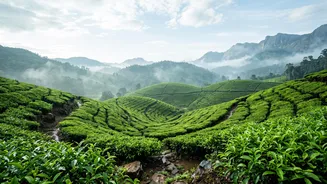
While some areas become risky, others can still be excellent choices for September travel. Ladakh, being in a rain-shadow region, remains largely dry and beautiful, offering clear skies as summer crowds begin to thin. Similarly, parts of Rajasthan can be surprisingly green and pleasant. The state receives less intense rainfall than other regions, and the post-rain landscape offers a unique charm without the peak season crowds. In the south, while the west coast may still see significant rain, destinations in Tamil Nadu, which gets most of its rain from the later Northeast Monsoon, can be a safer bet. Hill stations in the Western Ghats like Coorg, Munnar, and Wayanad are breathtakingly lush during this time, but travellers must remain cautious about landslide risks and check local conditions before and during their trip.
A Modern Traveller's Checklist
Navigating the new September travel season requires flexibility and proactive planning. Firstly, monitor IMD forecasts closely, not just for your destination but also for the transit routes. As of early September 2026, for instance, forecasts indicated heavy rainfall continuing in central, eastern, and northern India. Secondly, build buffer days into your itinerary. Tightly packed schedules with back-to-back travel are risky when flights can be delayed or roads blocked. Thirdly, consider comprehensive travel insurance that covers weather-related cancellations and disruptions. Finally, have a Plan B. If your primary destination in a high-risk mountain area seems dicey, be ready to switch to a backup plan in a region less affected by erratic rains. Opt for refundable bookings where possible to minimize financial loss if plans need to change at the last minute.