




The Essence of Janmashtami Fasting
Janmashtami, which falls on Friday, September 4, 2026, is a day of joyous celebration and deep spiritual reflection. Fasting, or 'vrat', is a common practice, but it doesn't mean complete deprivation. The goal is to consume 'sattvic' foods—pure and light
fare that keeps the mind calm and focused on prayers. The fast is traditionally broken at midnight, the hour of Krishna's birth. There are different types of fasts; the most common is the 'phalahar vrat', where fruits, milk products, and specific non-grain foods are consumed. A stricter 'nirjala' fast involves abstaining from both food and water. The choice often depends on family traditions and personal health.
Foods to Embrace During Your Fast
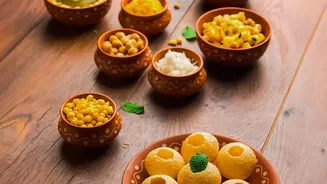
The pantry for a Janmashtami fast is rich with ingredients that are both nourishing and permissible. The key is to avoid regular grains and certain spices. Vrat-friendly flours are central to many dishes; these include Kuttu ka Atta (buckwheat flour), Singhare ka Atta (water chestnut flour), and Rajgira ka Atta (amaranth flour). Sabudana (tapioca pearls) and Samak ke Chawal (barnyard millet) are also popular staples used to make khichdi, kheer, and vadas. Most fruits and dairy products like milk, curd, and paneer are encouraged. For vegetables, potatoes, sweet potatoes, raw bananas, and pumpkin are excellent choices. Seasoning is done with sendha namak (rock salt) instead of regular table salt, along with spices like cumin, black pepper, and coriander powder.
What to Strictly Avoid
To maintain the sanctity of the fast, a specific list of foods must be avoided. All common grains like wheat and rice, as well as lentils and pulses, are not consumed. Onions and garlic, which are considered 'tamasic' or heating, are strictly prohibited in fasting meals. Regular table salt is replaced entirely by rock salt. Additionally, non-vegetarian food, eggs, alcohol, and tobacco are to be avoided completely during this sacred period. Many processed and packaged foods are also discouraged as they may contain prohibited ingredients like regular salt, grains, or certain additives.
Savoury Dishes for Sustained Energy
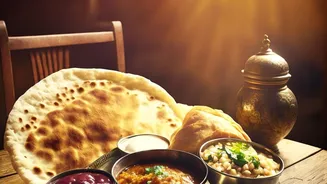
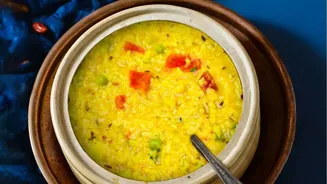
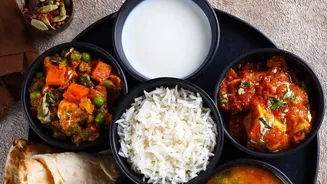
Fasting doesn't have to mean bland food. Traditional savoury dishes provide comfort and energy throughout the day. Sabudana Khichdi, a light yet filling preparation of soaked tapioca pearls with potatoes and roasted peanuts, is a classic. Kuttu ki Puri, crispy deep-fried bread made from buckwheat flour, is often paired with a simple Vrat Wale Aloo ki Sabzi—a potato curry made without onion or garlic. Other popular options include Sabudana Vada, crispy fried patties of tapioca and potato, and Samak Rice Pulao, which serves as a satisfying alternative to regular rice dishes. These recipes use vrat-approved ingredients to create flavourful and substantial meals.
Sweet Offerings and Prasad
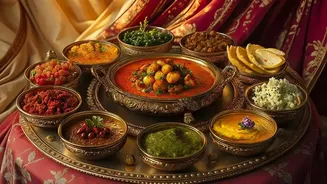
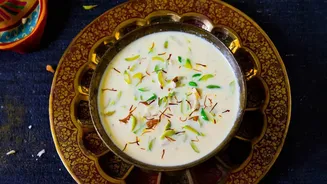
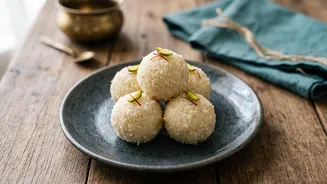
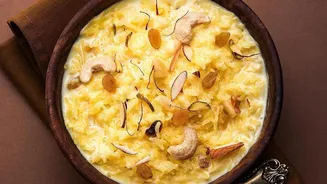
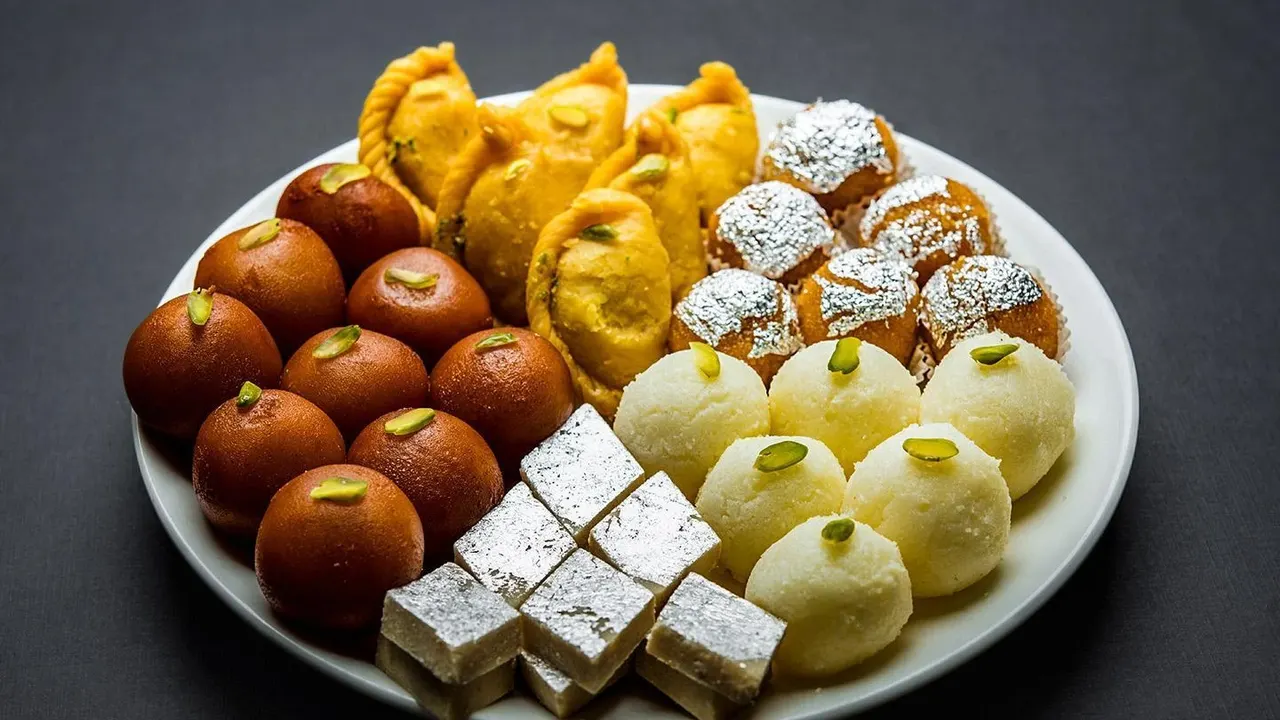
No festival is complete without sweets, and Janmashtami has a special place for them, both for personal consumption and as 'bhog' (offerings) to Lord Krishna. Makhan Mishri, a simple mix of fresh white butter and rock sugar, is considered Krishna's favourite and is a quintessential offering. Kheer made from makhana (fox nuts) or sabudana is another beloved dessert, offering a creamy and rich flavour. Dhaniya Panjiri, made from roasted coriander seed powder, ghee, sugar, and nuts, is a unique prasad prepared specifically for this occasion. Other sweets like Rajgira Ladoo (amaranth ladoos) and Singhara Atta Halwa are also popular choices that adhere to fasting rules.