




What Exactly Is a Stakeholder Map?
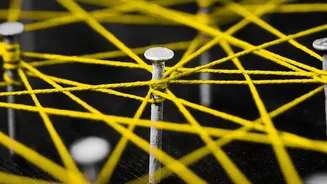
A stakeholder map is a visual representation of all the people, groups, or organizations that have an interest in your project. It moves beyond a simple list of names, helping you to analyze and visualize their relationship to the project and to each
other. Think of it as a strategic guide to the human landscape of your work. The goal is to identify everyone who can influence your project or will be affected by its outcome, from the CEO who signs the budget to the end-user who will interact with the final product. This simple process provides a clear picture of a complex network, making it easier to navigate.
Why Projects Really Stall
Projects rarely fail due to a single, catastrophic event. More often, they stall because of mismanaged expectations, poor communication, or overlooked influencers. Without a clear understanding of who holds power and who has a deep interest, teams risk over-communicating with the wrong people or, worse, failing to engage a critical decision-maker until it's too late. A key stakeholder who feels ignored can become a significant roadblock. Conversely, a team that isn't kept informed may lose motivation. Stakeholder mapping is a proactive strategy to mitigate these people-related risks by ensuring the right individuals are engaged at the right time and in the right way.
The Power-Interest Grid: A Practical Tool
One of the most effective methods for stakeholder mapping is the power-interest grid. This simple 2x2 matrix helps you categorize stakeholders based on two key dimensions: their level of power (influence over the project) and their level of interest (how much they care about the outcome). This categorization helps you tailor your communication strategy. The grid is typically divided into four quadrants: High Power, High Interest: These are your key players. You need to manage them closely, engage them regularly, and fully involve them in decisions.; High Power, Low Interest: Keep these stakeholders satisfied. They have the influence to derail the project, but don't need to be bogged down with details. Consult them on big decisions but avoid excessive communication.; Low Power, High Interest: Keep this group informed. They are often valuable allies and can provide great feedback, but they lack the power to stop the project. Regular updates will keep them on your side.; Low Power, Low Interest: Simply monitor this group. They require minimal effort and only need occasional, high-level updates.
How to Build and Use Your Map
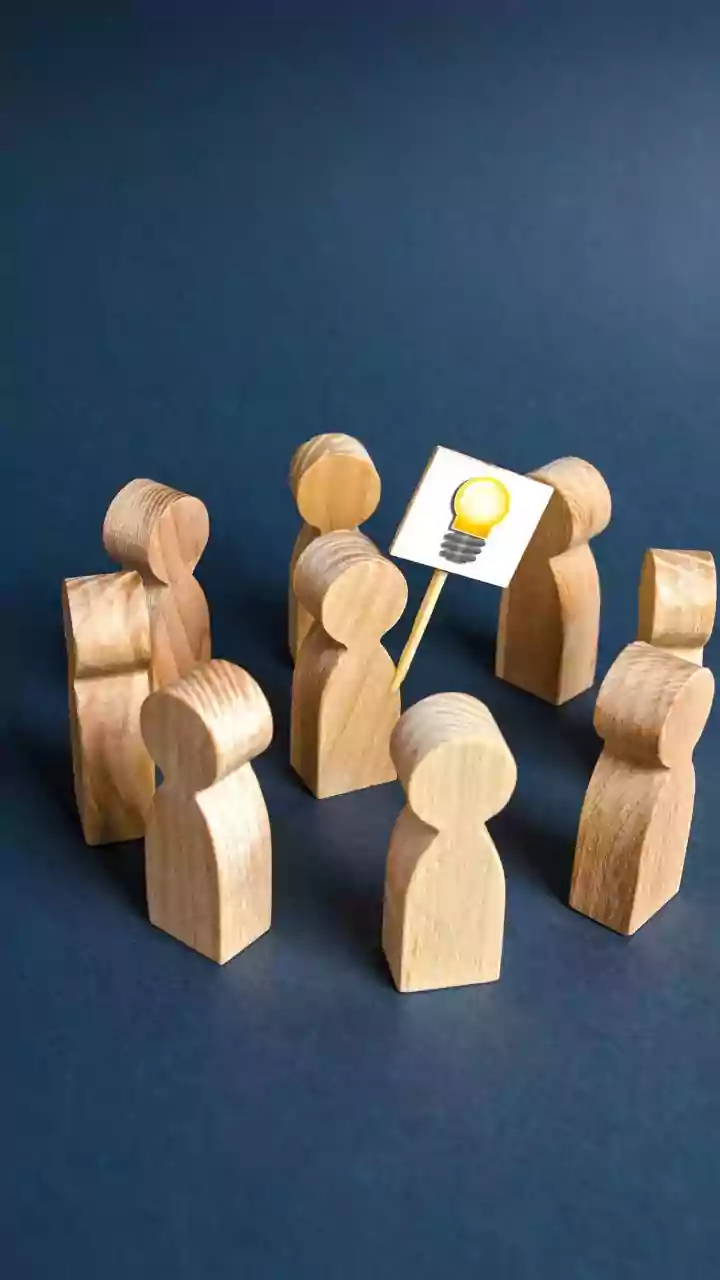
Creating a stakeholder map is a straightforward process. First, brainstorm and identify every possible stakeholder connected to your project. Don't leave anyone out at this stage. Next, analyze each stakeholder to determine their level of power and interest, then plot them onto your power-interest grid. Once you have categorized everyone, the final and most important step is to develop an engagement plan. For each quadrant, decide on the frequency and method of communication. Who needs a weekly one-on-one meeting? Who just needs to be on the monthly newsletter? A stakeholder map is not a one-time exercise. It's a living document that should be updated as the project evolves and relationships change.