

A Festival Steeped in Sweetness
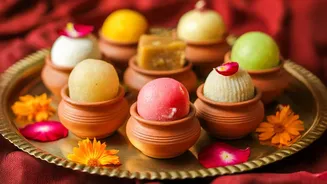
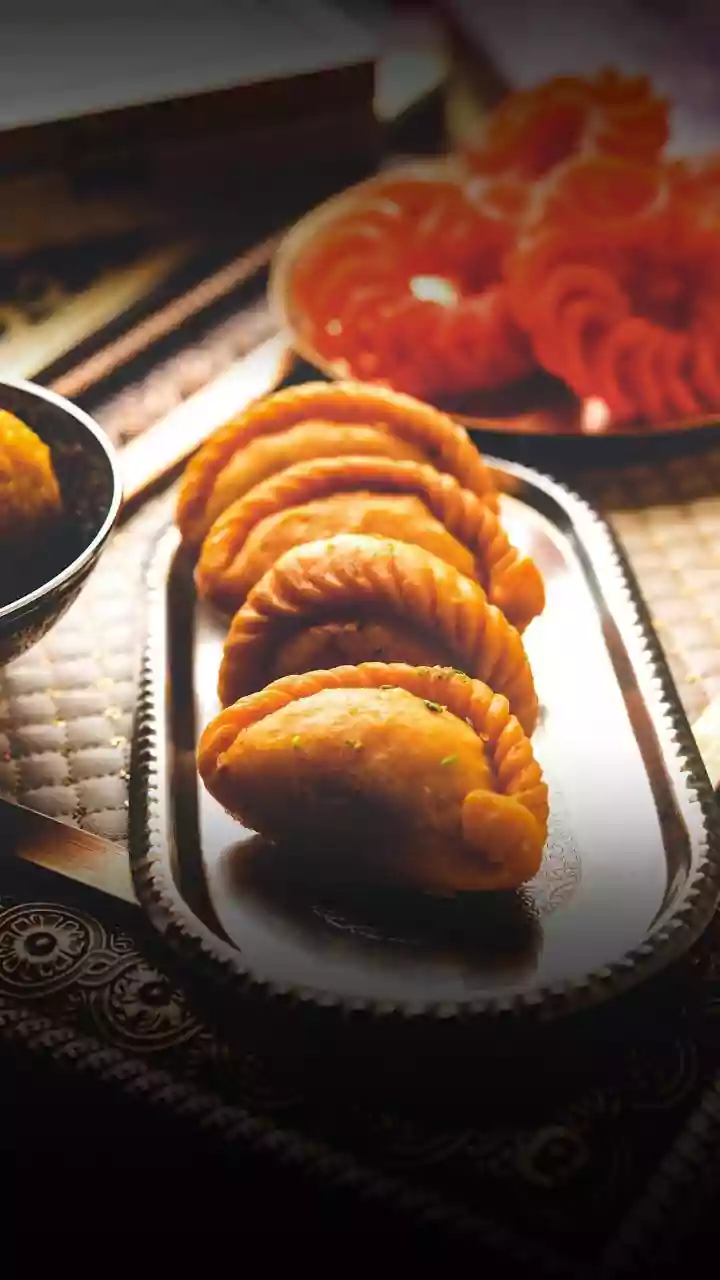
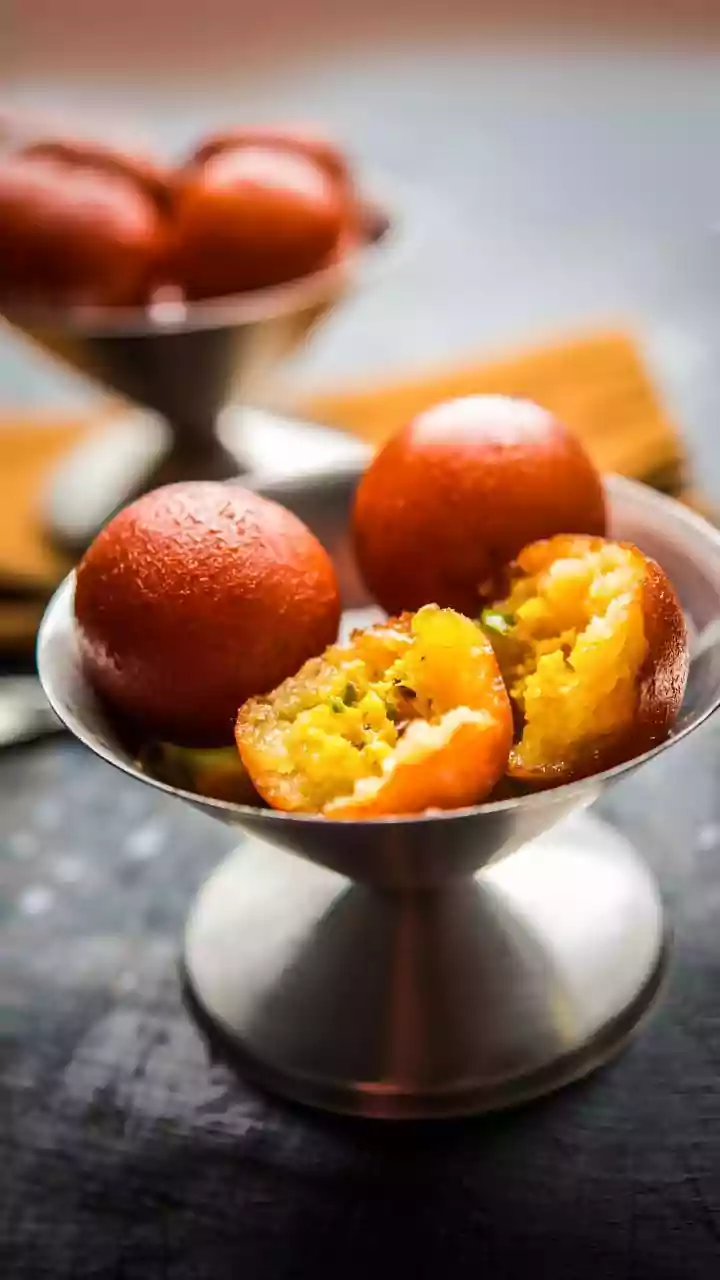
Janmashtami, the celebration of Lord Krishna's birth, is a festival of vibrant devotion, midnight prayers, and a lavish spread of food. Central to these celebrations is the 'bhog' or offering, a platter laden with milk and ghee-based sweets that are believed
to be Krishna's favourites. Treats like Makhan Misri, coconut ladoos, and Dhaniya Panjiri are more than just desserts; they are an edible form of devotion, prepared with love and shared with family. For generations, these recipes have been passed down, rich in flavour and tradition. The use of generous amounts of refined sugar and ghee was never questioned—it was simply part of the festive indulgence.
The Health-Conscious Vanguard
However, a cultural shift is underway, driven by Millennials and Gen Z. This generation, exposed to global wellness trends and armed with nutritional knowledge, is beginning to question the old ways. While they hold tradition dear, they are also acutely aware of the health implications of excessive sugar consumption. This has given rise to a grassroots movement where youth collectives, community health groups, and food bloggers are championing low-sugar versions of festive classics. Their goal is not to discard tradition but to adapt it, ensuring that the joy of festive eating doesn't come with a side of guilt or a sugar crash. This modern approach is about balance—honouring heritage while embracing a healthier lifestyle.
Rewriting the Ingredient List
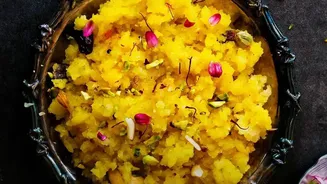
The core of this revolution lies in the pantry. Refined white sugar is the first ingredient to be replaced. In its place, home cooks are turning to natural sweeteners that offer more than just sweetness. Powdered jaggery, with its earthy, molasses-like flavour and iron content, is a popular choice for Panjiri and ladoos. Date paste, rich in fibre and minerals, provides a natural caramel-like sweetness perfect for energy bites and barfis. For those seeking to minimise calories further, plant-based sweeteners like stevia are being used in milk-based desserts like Kheer and Shrikhand. These swaps are not just about cutting sugar but about adding nutritional value, transforming indulgent sweets into more wholesome treats.
A Holistic Approach to Prasad
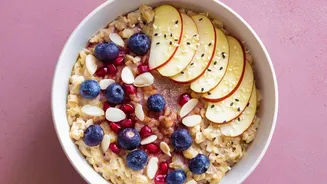
This movement extends beyond just sugar substitutes. It's a holistic re-evaluation of what makes a festive dish 'healthy'. Refined flour (maida) is being swapped for nutrient-dense alternatives like ragi (finger millet), jowar (sorghum), and whole wheat flour. Ragi Ladoos sweetened with dates have become a popular, nutritious option. Instead of deep-frying, many are now opting to bake or air-fry sweets where possible. There is also a greater emphasis on incorporating healthy fats from nuts, seeds, and ghee in moderation, rather than using processed fats. This approach ensures that the prasad is not only spiritually significant but also genuinely nourishing for the body.
Bridging Generations, One Sweet at a Time
This culinary evolution is fostering a new dialogue between generations. While older family members might initially be sceptical of tampering with age-old recipes, the delicious and satisfying results often win them over. Young people are not presenting this as a rejection of their culture, but as a thoughtful adaptation for modern times. By demonstrating that traditional flavours can be preserved, and even enhanced, with healthier ingredients, they are building a bridge between the past and the future. It’s a testament to the fact that traditions are not static; they are living, breathing practices that evolve with the people who cherish them.