





A Major Shift for Counter Bookings
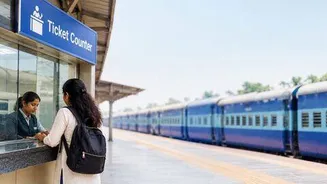
For years, a disparity existed in the Indian Railways system: passengers booking tickets online via the IRCTC website or app could easily opt for travel insurance, while those purchasing tickets at physical counters were often left uninsured. This gap
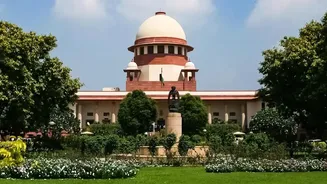
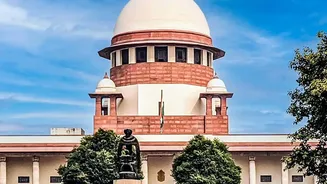
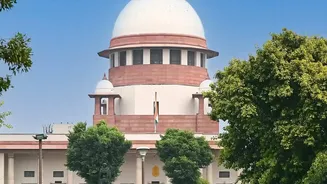
is set to close. Following a directive from the Supreme Court of India, all train tickets sold at railway station counters must include travel insurance coverage starting from October 27, 2026. This move aims to provide equal financial protection to all passengers, especially those from economically weaker sections who rely on traditional booking methods. The order came after the court noted a lack of progress by the Railways in creating a mechanism to offer this facility to offline passengers, a concern raised in the aftermath of the tragic Odisha train accident in June 2023.
Understanding the Insurance Scheme
The optional travel insurance scheme offered by IRCTC is remarkably affordable. For a premium of just 45 paise per passenger, it provides substantial coverage. In the unfortunate event of a train accident or other defined 'untoward incidents', the policy offers significant financial support. This includes coverage of up to ₹10 lakh for death or permanent total disability, up to ₹7.5 lakh for permanent partial disability, and up to ₹2 lakh for hospitalization expenses. The policy also provides ₹10,000 for the transportation of mortal remains. This financial safety net is valid for the entire journey, from the moment a passenger boards the train until they disembark at their destination. The scheme is available to all Indian citizens with a confirmed or RAC ticket, but not for children under five who are travelling without a booked seat.
The Old Problem at the Counter
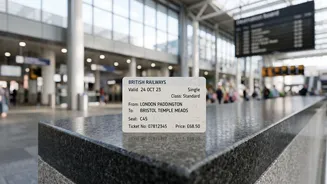
The headline's focus on 'order' refers to the sequence of actions at the ticket counter. Previously, since insurance was not offered by default, a traveller had to specifically request it from the booking clerk at the very beginning of the transaction. If you asked for it after the ticket details were entered or the fare was calculated, it was often too late. Adding it would have required the clerk to cancel the entire transaction and start over, a step they were often reluctant to take. This procedural hurdle meant that millions of passengers, either unaware of the option or forgetting to ask in the rush of booking, travelled without any insurance cover. The Supreme Court's intervention was a direct response to this inequality, noting that there cannot be a distinction in safety benefits based on how a ticket is purchased.
What the New Mandate Means for You
From October 27, 2026, the insurance will be a mandatory part of tickets sold at counters, mirroring the system for online tickets and ensuring universal coverage. While the court has made the directive mandatory for the Railways, the exact process for implementation is still being finalized by the Railway Board. It is not yet confirmed if the premium of 45 paise will remain the same for counter tickets or how passenger and nominee details will be collected efficiently at busy counters. Passengers who book tickets at counters should pay close attention to official announcements from Indian Railways for final instructions. The court has placed direct responsibility on the Railway Board to ensure this directive is implemented, aiming to eliminate the digital divide in passenger safety.