






Beyond the Simple Calorie Count
We have all done it: holding two products in the grocery store aisle, comparing their calorie counts to decide which one is the 'better' choice. While calories are a measure of energy, they don't tell the whole story of a food's nutritional value. A handful
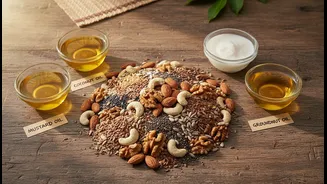
of almonds might have a similar calorie count to a small candy bar, but their effects on your body are vastly different. The almonds offer fibre, protein, and healthy fats that promote fullness, while the candy provides a quick sugar rush with little to no lasting nutritional benefit. This highlights the need for a more nuanced approach, one that considers not just the numbers on the label, but the quality and nature of the food itself.
The Crucial Role of Processing
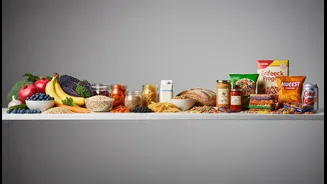
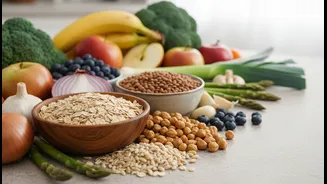
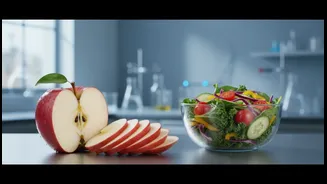
Nearly all food is processed in some way, from washing and chopping to canning and freezing. However, the degree of processing exists on a wide spectrum. Minimally processed foods, like fresh vegetables or whole grains, are kept close to their natural state. On the other end are ultra-processed foods, such as packaged snacks, sugary drinks, and instant meals, which often contain added sugars, unhealthy fats, and preservatives. The level of processing can dramatically alter a food's nutritional profile. Refining grains, for instance, strips away fibre and essential nutrients. Choosing whole fruit over fruit juice is a classic example; the fruit provides fibre that slows sugar absorption, while the juice delivers a concentrated dose of sugar without the same benefit. Favouring foods with fewer, recognisable ingredients is a simple rule of thumb.
Nutrient Stability: What Survives the Journey?
The nutrients present in raw ingredients are not always the ones we end up consuming. The 'stability' of vitamins and minerals refers to how well they withstand processing, cooking, and storage. Heat, light, and oxygen are the main factors that can degrade nutrients. Water-soluble vitamins, like Vitamin C and B-group vitamins, are particularly vulnerable. Boiling vegetables, for example, can cause these nutrients to leach into the water, which is often discarded. On the other hand, methods like steaming, microwaving, or stir-frying can help retain more of a food's nutritional value by using less water and shorter cooking times. Even storage matters. A fresh head of spinach will lose nutrients over time, so how and when you eat your food affects what you get out of it.
The Portion Size Trap
Nutrition labels can be misleading, and nowhere is this more apparent than with serving sizes. The 'typical portion' listed on a package is a standardised amount that often does not reflect how much people actually eat. A single-serving bag of chips may technically contain two or three servings, instantly doubling or tripling the calories, sodium, and fat you think you are consuming. Similarly, a 'serving' of cereal is often a fraction of what fits in a standard bowl. This discrepancy, sometimes called 'portion distortion', can lead to a significant underestimation of our daily intake. Being mindful of what a realistic portion looks like for you, rather than relying solely on the label, is key to managing your diet effectively. Using measuring cups or simply being aware of how much you serve yourself can make a big difference.
Putting It All Together
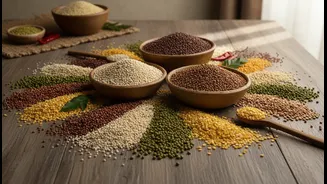
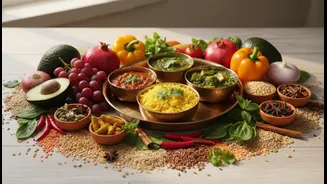
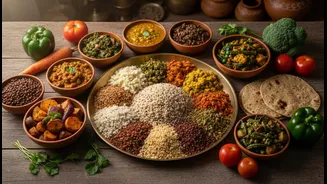
Let's apply this framework to a common Indian kitchen comparison: homemade dal made from scratch versus an instant dal mix. Calorie-wise, they might appear similar per serving. But when we look closer, the homemade dal, made from minimally processed lentils, gives you control over ingredients like salt and oil. The instant mix is an ultra-processed food; it may contain preservatives and high levels of sodium to extend its shelf life. The processing to make it 'instant' may have also degraded some of the B-vitamins naturally present in the lentils. Finally, the portion you make at home is tailored to your family's needs, while the packet's suggested serving may be smaller than a typical helping. In this comparison, the homemade version, while requiring more effort, offers superior nutritional control.