






The Spoilage Clock is Always Ticking
India's ambition to become a global food powerhouse depends on a robust supply chain, yet a significant portion of our perishable produce—up to 40%—is wasted annually, often due to transport inefficiencies. Any new roadside stop-and-check regime that
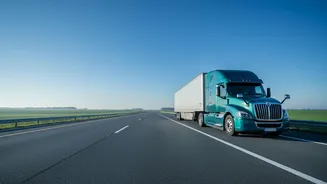
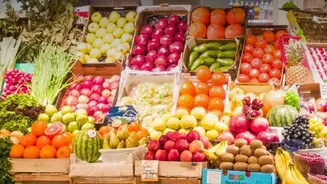
doesn't account for this reality is bound to fail. Trucks carrying fresh fruits, vegetables, dairy, and pharmaceuticals operate on a strict timeline that goes beyond just delivery deadlines. Every minute of delay, especially in India's varied and often extreme climate, directly impacts food quality and safety. While refrigerated or 'reefer' trucks exist, they are not a universal solution. They are expensive, and running refrigeration during prolonged, static checks consumes significant fuel, adding to operational costs that are ultimately passed on to consumers. A one-size-fits-all approach to stop checks, where a truck carrying steel pipes is treated the same as one carrying mangoes, ignores the ticking clock of food spoilage. It creates a bottleneck that not only costs transporters money but also degrades the food that reaches our markets.
The Danger of Rejoining High-Speed Traffic
The second major oversight is road safety itself—specifically, the moment a truck driver has to rejoin a fast-moving highway from a dead stop. A fully loaded heavy commercial vehicle does not accelerate quickly. Merging from a standstill on a highway shoulder, without a proper acceleration lane, is one of the most dangerous manoeuvres a driver can make. They have to find a gap in traffic that is often travelling at high speed, contending with massive blind spots and the unpredictable behaviour of other road users. Rear-end collisions involving trucks are a significant cause of accidents on national highways. Forcing trucks to stop at locations that lack safe, designated re-entry points creates new hazards in the name of solving old ones. Highway patrols and transport authorities must consider the physical layout of any proposed checkpoint. Simply pulling a truck over to the side of a busy expressway is not a viable long-term strategy. It endangers the truck driver, the officers conducting the check, and every other vehicle on that stretch of road.
A Path to Smarter, Safer Enforcement
A smarter approach is not only possible but necessary. For time-sensitive perishable goods, the system could incorporate a 'green channel' or 'fast-track' verification process. Certified and compliant cold chain operators could use digital documentation and real-time GPS tracking data, which is already becoming mandatory for many commercial vehicles, to pre-clear checks or undergo expedited inspections. This would reduce spoilage and keep the supply chain moving efficiently. Regarding the issue of re-entry, any designated stop-check area must be designed with safety as a prerequisite. This means building proper bays with dedicated acceleration lanes, similar to those found at highway on-ramps. While this requires an initial investment in infrastructure, it is a critical one. The government is already investing heavily in highway development; integrating safe enforcement zones into these projects is a logical and essential step to protect lives.