




That tight, raw feeling on your face after a windy day is all too familiar. It’s not just in your head; wind physically damages your skin. Understanding the science behind this 'windburn' is the key to preventing and fixing it effectively.
Your Skin’s Natural Shield
Think of your
skin's outermost layer, the stratum corneum, as a strong brick wall. The 'bricks' are your skin cells, and the 'mortar' holding them together is a complex mixture of natural fats called lipids. This lipid barrier is crucial; it does two vital jobs. First, it keeps moisture locked inside your skin, preventing it from evaporating into the air. Second, it acts as a protective shield, keeping irritants, pollutants, and harmful bacteria out. When this barrier is healthy and intact, your skin feels soft, hydrated, and calm. However, this delicate structure is easily compromised.
How Wind Attacks Your Skin
When your skin is exposed to wind, it faces a two-pronged attack. The constant airflow acts like a physical force, literally stripping away the delicate lipid mortar from between your skin cells. This action weakens the 'wall'. At the same time, the dry, moving air dramatically increases the rate of water evaporation from your skin, a process known as transepidermal water loss (TEWL). With its protective lipids stripped and its water escaping, the skin barrier becomes compromised. This damage leads directly to the symptoms we associate with windburn: redness, tightness, sensitivity, flaking, and a rough, dehydrated feel.
What is a Barrier Cream?
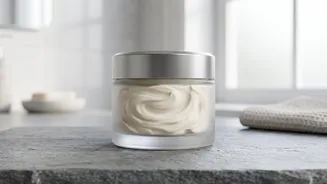
This is where barrier creams come in, and it's important to know they aren't the same as a standard daily moisturizer. While a typical moisturizer's main job is to add temporary hydration, a barrier cream is specifically formulated to both protect and rebuild the skin's compromised shield. Think of it as a repair crew for your skin's brick wall. Its primary goals are to prevent further water loss and to supply the necessary ingredients to patch up the gaps in the lipid mortar, allowing the skin to heal itself.
The Science of Repair and Protection
Barrier creams work using a combination of powerful ingredients. Occlusives, like petrolatum and dimethicone, form a protective, breathable film over the skin's surface. This film acts like a temporary seal, drastically slowing down transepidermal water loss and giving the skin a chance to recover without further dehydration. At the same time, these creams deliver reparative ingredients. The most important of these are ceramides, which are the very lipids your skin barrier is made of. By applying ceramides topically, you are directly replenishing the 'mortar' that wind has stripped away. Many formulas also include humectants like hyaluronic acid and glycerin, which draw moisture into the skin, and emollients that soften and smooth its texture.
To get the most out of a barrier cream, timing and application are key. They are most effective when applied before heading out into windy or harsh weather, acting as a preventative shield. You can also use them as a recovery treatment after exposure to soothe irritation and begin the repair process. For best results, apply the cream to clean, slightly damp skin to lock in extra hydration. Look for products that list ceramides, dimethicone, squalane, or petrolatum high on the ingredient list. If your skin feels persistently tight, stings when you apply products, or shows signs of redness and flaking that a regular moisturizer can't fix, it’s a clear sign that your barrier needs the targeted support these creams provide.