


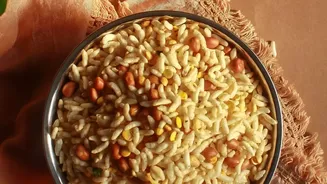
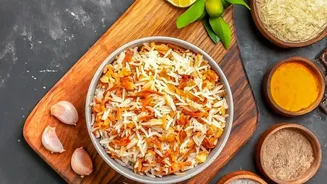
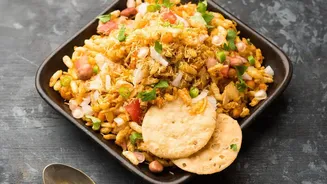
Contrary to stereotypes, many young Indians are trading fleeting food trends for a taste of tradition. A digital-first generation is sparking a quiet revolution in the kitchen, using online platforms to rediscover and reclaim their culinary roots.
Beyond the Usual Butter Chicken
For
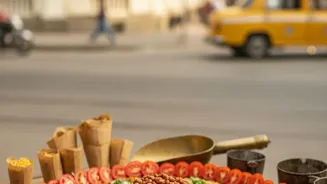
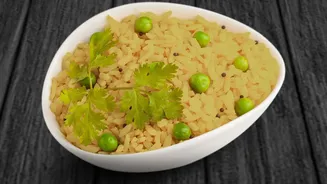
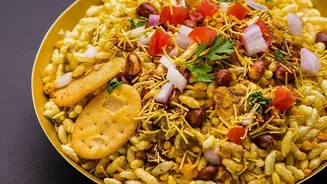
decades, mainstream Indian food outside of home kitchens was defined by a handful of famous dishes like butter chicken, biryani, and dosa. While beloved, these culinary ambassadors represent only a fraction of India's vast gastronomic landscape. A significant shift is underway, driven by a generation curious about what lies beyond the familiar. Young urbanites are increasingly seeking hyper-regional specialties—dishes tied to a specific community, season, or geography that were traditionally confined to family kitchens. This is more than just a search for novelty; it is a quest for authenticity and a deeper connection to their own diverse country. Diners and home cooks want the story behind the food, eager to explore the culinary worlds of the Northeast, the grain-rich traditions of Central India, or the coastal flavours of Karnataka.
The Digital Grandma's Kitchen
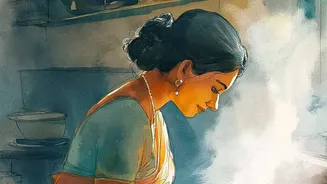
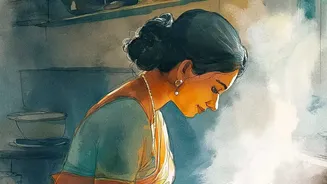
In an era of nuclear families and migration for work and education, the direct line to a grandmother's cooking has been stretched thin. Technology is now bridging that gap. Authentic recipe platforms, food blogs, and social media channels have become the new keepers of culinary heritage, acting as a digital repository for generational knowledge. Creators on these platforms are not just listing ingredients; they are preserving the context, stories, and techniques that make a recipe special. Through step-by-step videos and detailed blog posts, they function as virtual mentors, demystifying complex dishes and making heirloom recipes accessible to beginners. This digital-first approach allows young cooks to learn at their own pace, reviving everything from a forgotten Kashmiri Koshur Haakh to a rustic Bedu Roti from Uttarakhand.
A Search for Identity and Wellness
This reconnection with traditional food is also deeply tied to a search for identity and well-being. For many, cooking regional dishes is an act of cultural preservation and a way to feel grounded in a rapidly globalising world. The food we eat is a powerful marker of who we are, and exploring ancestral recipes helps reinforce that connection. Furthermore, there is a growing awareness that traditional diets, rich in local grains, millets, and seasonal vegetables, are inherently healthy and sustainable. As young Indians become more health-conscious, they are looking inward to 'dadima's wisdom' rather than outward for the next wellness fad. This has sparked renewed interest in ingredients like ragi, forgotten wild greens, and traditional fermentation techniques that have been part of Indian food systems for centuries.
From Home Cooks to Culinary Stars
The movement is powered by a diverse group of individuals. Food bloggers and YouTubers have become influential figures, documenting family recipes and building communities around a shared love for authentic food. Some, like Archana Pidathala with 'Five Morsels of Love', have even turned old family cookbooks into celebrated publications, doing the archival work of preserving matrilineal knowledge. Simultaneously, a new wave of chefs is championing this philosophy in restaurants, moving away from generic 'Indian' menus to spotlight specific regional cuisines. They are building their menus around hyperlocal produce, whether it's the gondhoraj lime from Bengal or unique chillies from Nagaland, reintroducing diners to the true diversity of India's palate. These efforts, both online and offline, are creating a vibrant ecosystem where heritage food is not just surviving but thriving.