





Start with a Clean Canvas
The first rule of flawless makeup is to apply it to a clean face. Using a gentle cleanser suited to your skin type removes dirt, oil, and impurities that can interfere with makeup application. For oily or combination skin, a foam or gel cleanser works
well, while dry or sensitive skin types benefit from cream or oil-based cleansers. This initial step ensures your products will blend seamlessly and adhere properly, providing a fresh start for the layers to come. Never use harsh, stripping formulas, as this can dehydrate the skin and lead to patchiness later.
Gently Exfoliate for a Smooth Surface
Makeup has a tendency to cling to dry, flaky patches, which can accentuate texture. Gentle exfoliation is key to creating a smooth canvas by sloughing away dead skin cells. You can use a soft washcloth, a gentle scrub, or a chemical exfoliant with ingredients like glycolic or lactic acid. However, it is crucial not to overdo it; exfoliating one to two times a week is generally sufficient. Over-exfoliation can cause irritation, making makeup application even more difficult.
Tone to Balance and Hydrate
After cleansing, a toner helps to balance your skin's pH levels, remove any lingering residue, and prepare your skin to better absorb the products that follow. Look for alcohol-free formulas to avoid drying out your skin. Hydrating toners, especially those with ingredients like rose water, aloe, or glycerin, can add an initial layer of moisture, leaving your skin feeling refreshed and revitalized.
The Power of a Hydrating Serum
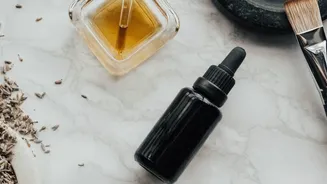
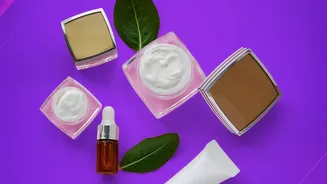
If there's a single step that can dramatically improve how makeup sits on your skin, it's using a hydrating serum. Serums are lightweight but packed with potent ingredients. A serum with hyaluronic acid is particularly effective, as it acts like a magnet for moisture, plumping the skin from within. This helps to fill in fine lines so that foundation has less opportunity to settle into them, creating a smoother appearance. Allow the serum to fully absorb before moving on to the next step.
Lock in Moisture
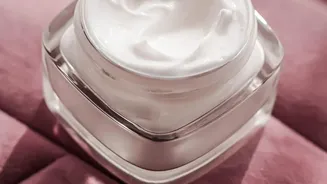
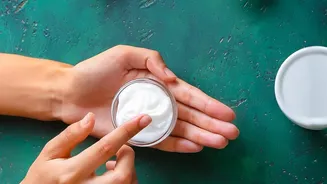
Moisturizer is a non-negotiable step, even for those with oily skin. Properly hydrated skin is less likely to produce excess oil that can cause makeup to slide off. A good moisturizer creates a smooth base, prevents flakiness, and provides a healthy glow. Choose a formula based on your skin type: lightweight, gel-like moisturizers work well for oily skin, while richer creams are ideal for dry skin. Give the moisturizer a few minutes to sink in before proceeding.
Don't Forget the Eyes and Lips
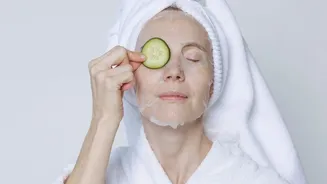
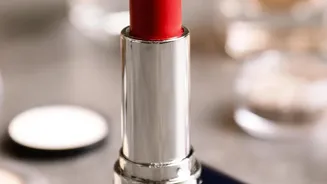
The delicate skin around your eyes and on your lips requires special attention. If your concealer often creases, it's likely because the under-eye area is dehydrated. A lightweight eye cream will hydrate and smooth the area, helping concealer blend more easily. For your lips, gently exfoliate if needed and apply a thin layer of lip balm. This prevents lipstick from looking dry and patchy.
Prime for Perfection and Longevity
The final step before makeup is primer. A primer is designed to create a smooth, even canvas, minimize the appearance of pores, and significantly extend the wear time of your makeup. There are various primers available to target specific concerns, such as mattifying for oily skin, hydrating for dry skin, or color-correcting for redness. Applying a primer ensures that all your hard work stays put, looking fresh for hours.