

A World Washed Anew
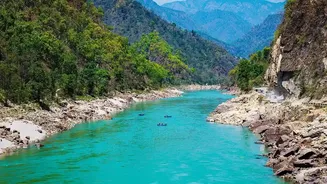
The most immediate and obvious allure of the monsoon is the dramatic transformation of the landscape. Dust-caked plains and parched hillsides explode into a vibrant, near-fluorescent green. This is not just a visual change; it's a multi-sensory experience.
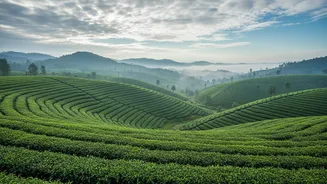
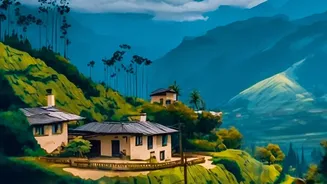
The air, thick with the earthy scent of petrichor after the first rains, feels fresh and clean. The sound of rainfall, from a gentle pitter-patter to a torrential downpour, provides a soothing natural soundtrack that encourages a slower, more contemplative pace of life. Destinations across the country showcase this renewal in spectacular fashion. Hill stations like Munnar in Kerala and Coorg in Karnataka become misty, ethereal wonderlands, with their tea and coffee plantations shrouded in low-hanging clouds. Waterfalls like Dudhsagar in Goa or Attukal in Munnar, which are mere trickles in the dry season, become roaring, powerful cascades.
The Luxury of Solitude
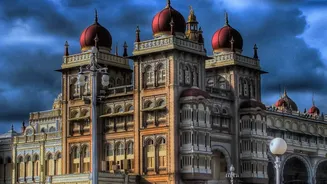
Beyond the aesthetics, the monsoon offers a practical benefit that is becoming increasingly rare in modern travel: peace and quiet. The period from June to September is typically considered the off-season for tourism in many parts of India. This means fewer crowds at iconic monuments, less traffic on winding hill roads, and a more personal connection with the places you visit. Imagine exploring the majestic forts of Udaipur or the ancient ruins of Hampi without jostling for space. This solitude allows for a more authentic and intimate travel experience. You're more likely to interact with locals and observe daily life without the filter of a bustling tourist economy. Hotels and resorts, seeing fewer guests, often provide more attentive service, making your stay feel more personal and relaxed.
Destinations at Their Peak
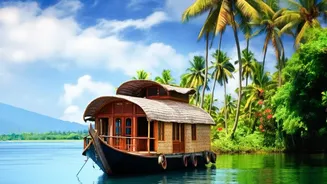
While some regions are best avoided during heavy rains, many destinations are arguably at their absolute best during the monsoon. Meghalaya, whose name literally means "abode of the clouds," lives up to its name with dramatic skyscapes, gushing waterfalls like Nohkalikai, and its famous living root bridges set against a backdrop of intense greenery. In Rajasthan, cities like Udaipur, the 'City of Lakes', shed their desert persona as monsoon rains replenish the water bodies, creating a romantic, cinematic atmosphere. The backwaters of Kerala, a popular destination year-round, take on a special charm with the overflowing canals and lush surroundings. Even Goa, often seen as a winter-sun destination, reveals a different side. The focus shifts from the beaches, where swimming can be dangerous due to strong currents, to the verdant hinterland, spice plantations, and magnificent waterfalls.
A Feast for the Senses
Monsoon travel is also a culinary adventure. Across India, the rainy season brings with it a host of special foods and comfort dishes. Roadside stalls and cafés do a brisk trade in piping hot pakoras (fritters), roasted corn on the cob (bhutta), and spicy vada pav, often enjoyed with a steaming cup of masala chai. Many restaurants and hotels curate special monsoon menus, celebrating seasonal ingredients and comforting broths like rasam. It's a time for warm, hearty meals that provide comfort from the cool, damp weather. This culinary shift is an integral part of the cultural experience, connecting you to the local rhythms of life and the simple joys that the season brings.
Embracing the Journey
Of course, travelling during the monsoon requires a certain mindset and practical preparation. It's wise to pack lightweight, quick-drying clothes, waterproof footwear, and protection for your electronics. Travel plans should be flexible to account for potential delays caused by heavy rain. However, these minor inconveniences are a small price to pay for the rewards. The monsoon encourages you to slow down, to perhaps spend an afternoon reading in a cosy café, watching the world get washed clean. It's an opportunity to see India not as a perfectly curated postcard, but as a living, breathing entity, vibrant and full of life.