




Decoding the 'Karat': What Purity Really Means
The 'Karat' or 'K' in gold is a measure of its purity. The system is based on a total of 24 parts. Therefore, 24K gold is the purest form available, containing 99.9% gold. Anything less than 24K is an alloy, meaning the gold has been mixed with other
metals. For instance, 22K gold contains 91.6% pure gold (22 parts gold, 2 parts other metals), while 18K gold is 75% pure gold (18 parts gold, 6 parts other metals). These other metals, typically copper, silver, or zinc, are added to enhance the gold's durability and sometimes alter its colour. In India, you'll often see 22K gold referred to as '916 gold', which directly references its 91.6% purity.
The Case for 24K: The Investor's Choice
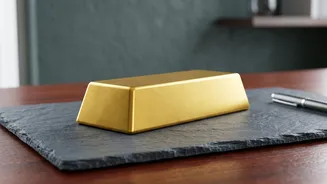
The single biggest advantage of 24K gold is its purity, which makes it the undisputed standard for investment. When you buy gold as a tangible asset to preserve wealth, you want its value to be clear, transparent, and directly tied to global market prices. Investment-grade gold, such as bullion bars and coins, is almost always 24K. This is because its 99.9% purity is a guaranteed, globally recognized standard, making it easy to buy, sell, and value. There are no questions about the percentage of other metals, which simplifies transactions and provides a hedge against economic uncertainty. For buyers focused on long-term wealth preservation or portfolio diversification, 24K gold offers the most straightforward and trusted option.
Why Purity Can Be a Weakness: The Jewellery Dilemma
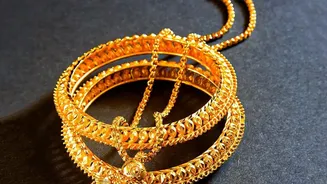
While its purity is a strength in investment, it's a significant weakness for most jewellery. Pure 24K gold is extremely soft and malleable. This means it can easily scratch, bend, or deform with daily wear. Imagine a ring made of 24K gold; it could easily lose its shape or fail to hold a gemstone securely. This is why 22K and 18K gold are far more popular choices for jewellery, especially in India where gold is worn for cultural and traditional reasons. The addition of alloy metals makes 22K gold significantly more durable and suitable for the intricate craftsmanship seen in traditional Indian designs, from necklaces to bangles. It strikes a balance between high gold content and the practical strength needed for wearable art.
Are There Any Exceptions for 24K Jewellery?
While not common for everyday pieces, 24K gold is sometimes used for specific types of jewellery. These are typically ceremonial or heirloom items that are not intended for regular wear, where the symbolism of absolute purity is paramount. Some traditional designs in certain cultures may use 24K gold for pendants or special occasion pieces that are handled with care. However, even in these cases, the owner must be aware of the item's inherent fragility. For most buyers, the rich golden hue of 22K gold offers a near-identical aesthetic with far greater resilience, making it the preferred choice for bridal sets and festive wear that is meant to last for generations.
A Buyer's Guide: Hallmarking and Making the Right Choice
Whether you choose 24K for investment or 22K for adornment, verifying its purity is critical. In India, the Bureau of Indian Standards (BIS) mandates hallmarking for gold jewellery and artefacts across several purity levels, including 24K, 22K, and 18K. A BIS hallmark is a guarantee of purity and consists of three marks: the BIS logo, a symbol for purity and fineness (e.g., '22K916' for 22K gold or '24K999' for 24K gold), and a six-digit alphanumeric code known as the HUID. Always look for these marks when purchasing. Using the BIS CARE app, you can even verify the HUID to confirm the details of your purchase. This system protects you from fraud and ensures the gold you buy is exactly what the seller claims it is.