





The Invisible Price Tag of Celebration
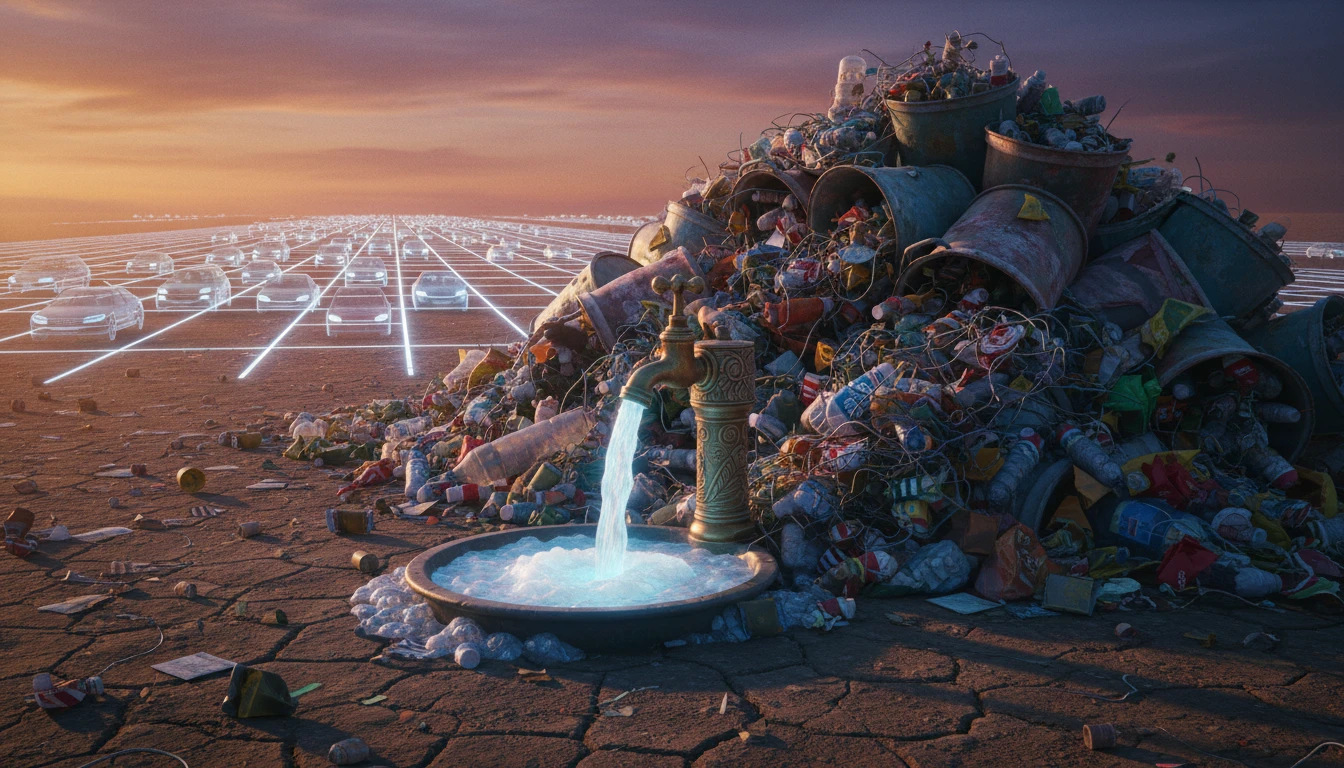
Beneath the surface of India’s most beloved music festivals and religious gatherings lies a mounting crisis. When millions of people converge on a single location for a few days, the demand on local infrastructure skyrockets. Take the Kumbh Mela, one
of the largest gatherings on Earth; in 2025 it was estimated to generate 16 million litres of faecal sludge and 240 million litres of greywater daily. While organisers have deployed high-tech solutions to manage this, the sheer scale is a testament to the problem. In cities like Nashik, water consumption has been seen to jump by as much as 40 million litres per day during festival periods. This surge puts immense pressure on local water sources, which are often already scarce. The story is similar for waste. Large-scale events can generate up to 50 tonnes of waste each, overwhelming local sanitation systems and often leaving a trail of plastic and other non-biodegradable trash. The roads become choked, public transport is overwhelmed, and the daily lives of residents are brought to a standstill.
Beyond the Economic Boom
Proponents of large-scale festival tourism rightly point to the economic benefits. These events create temporary jobs, boost local businesses like hotels and restaurants, and inject significant revenue into the community. However, this economic boom often comes at an unsustainable environmental and social cost. The concept of 'carrying capacity'—the maximum number of people a location can support without degrading the environment and quality of life—is frequently ignored. When a festival’s footprint exceeds what the local ecosystem and infrastructure can handle, the long-term damage can outweigh the short-term financial gains. Increased traffic, pollution, and the strain on essential services can lead to friction between tourists and residents, and degrade the very authenticity that attracts visitors in the first place. A festival that leaves a depleted water table and overflowing landfills is not a sustainable model for growth.
A Path to Sustainable Festivities
The solution is not to cancel celebrations, but to reimagine them. Thankfully, a shift towards sustainability is already underway. Some festivals are pioneering green initiatives, proving that a great event doesn't have to be a destructive one. This includes implementing comprehensive waste management systems with on-site segregation, promoting the use of reusable or biodegradable materials, and banning single-use plastics. Organisers of the Maha Kumbh have implemented advanced water treatment plants and bio-toilets to manage waste and reduce water consumption. Music festivals like NH7 Weekender have successfully reclaimed a high percentage of waste generated. These examples show that with careful planning, it is possible to significantly reduce a festival's environmental footprint. From promoting public transport to using renewable energy sources for stages and lighting, the tools for responsible event management exist.
A Shared Responsibility
Making festival tourism sustainable is a responsibility shared by all stakeholders. Local governments must be empowered to set and enforce clear limits on event sizes based on their infrastructure's true capacity. This isn't about stifling tourism but about managing it for long-term health. They can incentivise green practices through policy and support. Event organisers have a duty to integrate sustainability into their core planning, from supply chain to waste disposal. But responsibility also lies with attendees. Festival-goers can make conscious choices: carry reusable water bottles, dispose of waste properly, use public transport, and respect the local environment. A collective shift in mindset is required, where the success of a festival is measured not just by its size or economic impact, but by its ability to celebrate without causing harm. It’s about ensuring the communities that host these vibrant events continue to thrive long after the last visitor has gone home.