



Have you noticed more sparrows on your windowsill or a parakeet nibbling at a potted plant lately? It’s not your imagination. This charming increase in bird activity around our homes is a direct response to the changing seasons in India.
When Natural Pantries Run Low
For much of the
year, birds find ample food in their natural habitats. Insects, nectar from flowers, wild berries, and seeds are plentiful. However, as seasons shift, particularly during the harsh summer months and the lean post-monsoon period, these natural food sources can dwindle. Intense heat can reduce insect activity and dry up nectar-bearing flowers, while changing weather patterns affect the fruiting and seeding cycles of plants. This scarcity creates a critical survival challenge, forcing birds to look for alternative sources of nutrition. This is especially true for the birds that have adapted to live alongside us in urban and suburban environments. Their world, a mix of green patches and concrete, presents its own unique set of challenges and opportunities when their traditional food supply runs low.
The City as an Unlikely Buffet
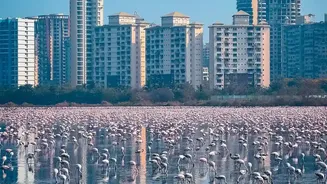
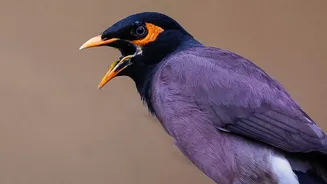
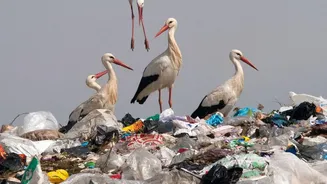
When the wilderness menu gets sparse, the urban landscape becomes an attractive, if unconventional, buffet. Our cities, with their gardens, overflowing waste bins, and the common practice of residents leaving out food, offer a lifeline. Birds are intelligent and opportunistic creatures; they learn where to find a reliable meal. Balconies with potted plants may harbour insects or offer edible leaves. Open-air markets and food stalls provide discarded scraps. For many birds like house crows and common mynas, scavenging on human food waste becomes a key survival strategy. This shift in foraging behaviour is a remarkable display of adaptation, showcasing how wildlife adjusts its habits to survive in human-dominated environments. The closer proximity to our homes isn't just a coincidence; it's a calculated move towards areas with a higher probability of finding food.
Meet Your Seasonal Neighbours
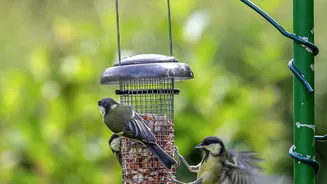
Several common Indian city birds are particularly visible during these lean times. House sparrows and munias, which primarily eat grains, are often seen flocking to balconies where residents leave out millet (bajra) or broken rice. Rose-ringed parakeets, known for their diet of fruits and seeds, might be tempted by garden fruits or even sunflower seeds left in a feeder. The energetic red-vented bulbul, which feeds on insects, fruits, and nectar, will readily visit fruit-bearing ornamental plants on a terrace. Even insectivores like the black drongo may come closer to residential areas, perching on wires as they hunt for insects drawn to outdoor lights. Each species is drawn by a specific need, turning our homes and gardens into vital refuelling stations during tough seasonal spells.
Being a Responsible Host
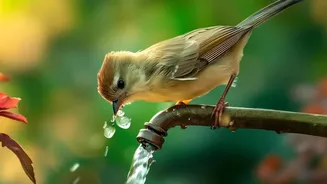
While it's a joy to watch this flurry of activity, helping these birds requires a responsible approach. Providing a shallow bowl of fresh, clean water is often more critical than food, especially during India's scorching summers when dehydration is a major threat. If you choose to offer food, stick to what is safe and natural. Small millets like bajra, broken rice, and sunflower seeds are excellent choices for a wide variety of birds. Avoid offering processed human foods like bread, roti, or salty snacks like sev, as these can be harmful, causing nutritional deficiencies and even kidney problems. Cooked food with oil and spices is also toxic to birds. The goal is to supplement their diet, not replace it, which can lead to dependency and other behavioural problems.
The Bigger Picture of Coexistence
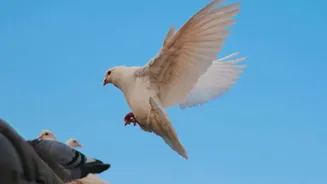
This seasonal movement of birds is more than just a delightful spectacle; it’s an important indicator of the health of our urban ecosystems. The presence of diverse bird species points to a relatively balanced environment, even within a city. However, this increased interaction also comes with risks. Over-feeding can lead to an unnatural increase in certain species like pigeons, which can outcompete smaller native birds for resources and nesting sites. It can also increase the spread of diseases among bird populations when they gather in large numbers at feeders. By observing from a distance and providing support thoughtfully, we can enjoy the company of our feathered neighbours while allowing them to remain wild and resilient. Understanding their behaviour helps foster a healthier, more sustainable coexistence between humans and wildlife in our shared spaces.