


The Unseen Foe: Humidity and Your Floors
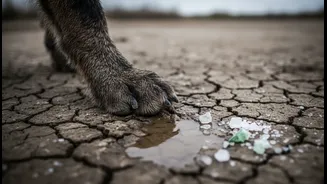
Fungi, including molds and yeasts, are everywhere. Their microscopic spores float through the air, settling on surfaces. For these spores to transform from dormant particles into active, growing colonies, they need one key ingredient: moisture. High humidity,
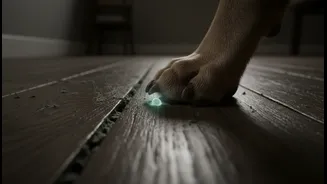
especially levels above 60%, creates a perfect breeding ground on various surfaces in your home. Apartment floors, whether they are carpet, wood, or tile, can become fungal reservoirs. Poor ventilation, condensation from air conditioning units, or simply the ambient moisture in the air can make floors damp enough for fungi to survive and thrive. Studies show that many fungi can remain viable on inanimate surfaces for days or even months, especially when conditions like high humidity protect them.
Meet the Common Culprits
Two common types of fungi are of particular concern for dogs: dermatophytes (which cause ringworm) and yeasts like Malassezia pachydermatis. Ringworm isn't a worm at all, but a fungus that is highly contagious and can survive on surfaces for extended periods. Malassezia yeast is a normal inhabitant of a dog's skin, but an overgrowth can lead to significant irritation and infection, especially in moist areas. This yeast thrives in warm, damp environments, making the spaces between your dog's paw pads a prime location for an infection to take hold.
Why Paws Are So Vulnerable
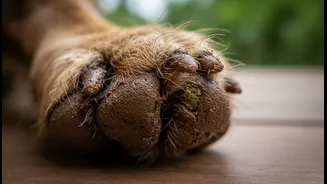
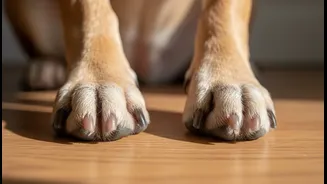
A dog's paws are their connection to the world, but they are also uniquely susceptible to picking up these fungal spores from the floor. The skin between the paw pads and around the nail beds is often warm and can trap moisture, especially after a walk or a bath. This creates the perfect micro-environment for fungi that have been picked up from a humid floor to begin to multiply. An underlying issue, like an allergy that causes a dog to lick their paws excessively, can introduce even more moisture and break down the skin's natural defenses, making a fungal infection more likely.
Tighter Paw Surveillance: What to Look For
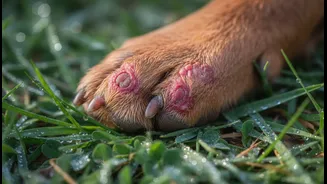
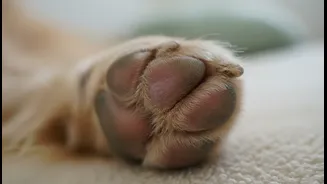
Being vigilant is your best defense. Regular paw checks can help you spot the early signs of a fungal issue. Key symptoms include persistent licking or chewing of the paws, redness and inflammation between the toes, and a musty or 'corn chip' odor. You might also notice scaly skin, hair loss around the paws, or a brownish discoloration of the fur where your dog has been licking. In some cases, the skin can become thickened or crusty. Catching these signs early can prevent a minor irritation from becoming a painful, full-blown infection.
A Proactive Plan for Healthy Paws
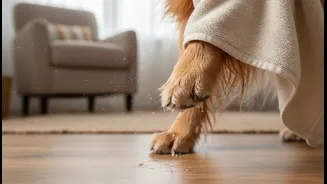
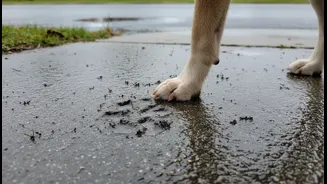
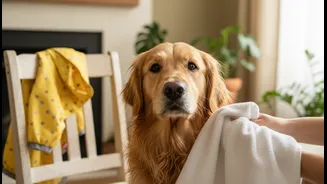
Protecting your dog involves a two-pronged approach: managing your home environment and practicing good paw hygiene. To control humidity, use dehumidifiers in damp areas and ensure good ventilation by using exhaust fans in kitchens and bathrooms. For paw care, make cleaning a daily habit. Wiping your dog's paws with a pet-safe, antifungal wipe after walks is a great first step. It's crucial to dry their paws thoroughly, especially between the toes, as leftover moisture can encourage fungal growth. Consider trimming the hair between the paw pads to reduce trapped dirt and moisture. For a deeper clean after a particularly muddy walk, wash with a gentle, dog-safe shampoo and rinse and dry completely.