




The Original Superfood
Before it was a trending health food, sattu was the lifeblood of India’s Gangetic plains. For centuries, this flour, made from dry-roasted and ground Bengal gram (kala chana), was the go-to source of sustenance for farmers and labourers in states like
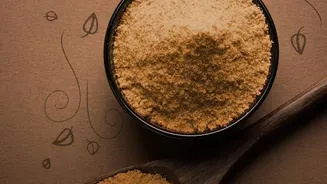
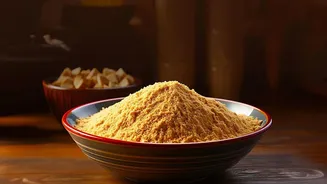
Bihar, Jharkhand, and Uttar Pradesh. Often called the 'poor man's protein', it offered a powerhouse of energy that was affordable, long-lasting, and required no cooking. Its preparation is simple but distinct: the roasting process, traditionally done in sand-filled iron pans, gives sattu a unique nutty flavour and distinguishes it from raw gram flour, or besan. This ancient technique not only preserves nutrients but also makes the flour instantly digestible.
A Nutritional Powerhouse
The modern rediscovery of sattu is rooted in its impressive nutritional profile. A 100-gram serving packs approximately 20-25 grams of plant-based protein, making it a formidable competitor to expensive whey supplements. Beyond protein, it's rich in dietary fibre, which aids digestion and promotes a feeling of fullness, helping to manage weight. Sattu also boasts a low glycaemic index, meaning it releases energy slowly and helps regulate blood sugar levels, making it suitable for those with diabetes. It's also a great source of essential minerals like iron, manganese, and magnesium, which support everything from bone health to reducing fatigue. In Ayurvedic tradition, sattu is prized for its natural cooling properties, making it a perfect antidote to India’s scorching summers.
The Modern Fitness Makeover
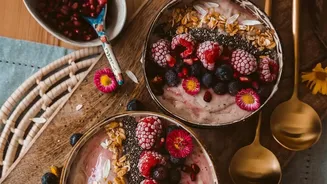
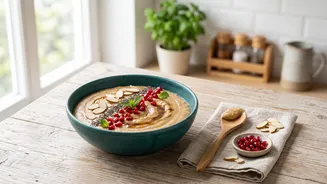
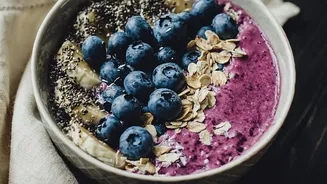
So how did this rustic flour make the leap to slick city kitchens and gym bags? Its high protein and fibre content made it a natural fit for the modern wellness movement. Fitness enthusiasts and nutritionists began to champion it as a clean, natural alternative to processed protein powders. The classic sattu sharbat—a simple drink of sattu mixed with water, lemon juice, and black salt—was reborn as a pre-workout energiser or a post-workout recovery drink. But the innovation didn't stop there. Today, sattu is being incorporated into a wide array of fitness-friendly breakfasts. Health-conscious foodies are making everything from high-protein sattu pancakes and cheelas to porridge and smoothies. It's also being rolled into energy balls with dates and nuts, or even used to create a savoury, high-protein upma.
From Humble Staple to Global Star
The journey of sattu from a regional staple to a 'superfood' is a story of cultural reawakening. As consumers become more interested in traditional and sustainable food sources, ingredients like sattu are being celebrated for their authenticity and nutritional wisdom. It's a prime example of how ancient food traditions hold powerful solutions for modern health challenges. Once sold in simple cloth bags at local markets, sattu is now packaged in sleek pouches and sold by health food brands online and in gourmet stores. Its revival shows that the search for the next big thing in wellness often leads right back to our own roots, proving that what's old can be new, and incredibly powerful, all over again.